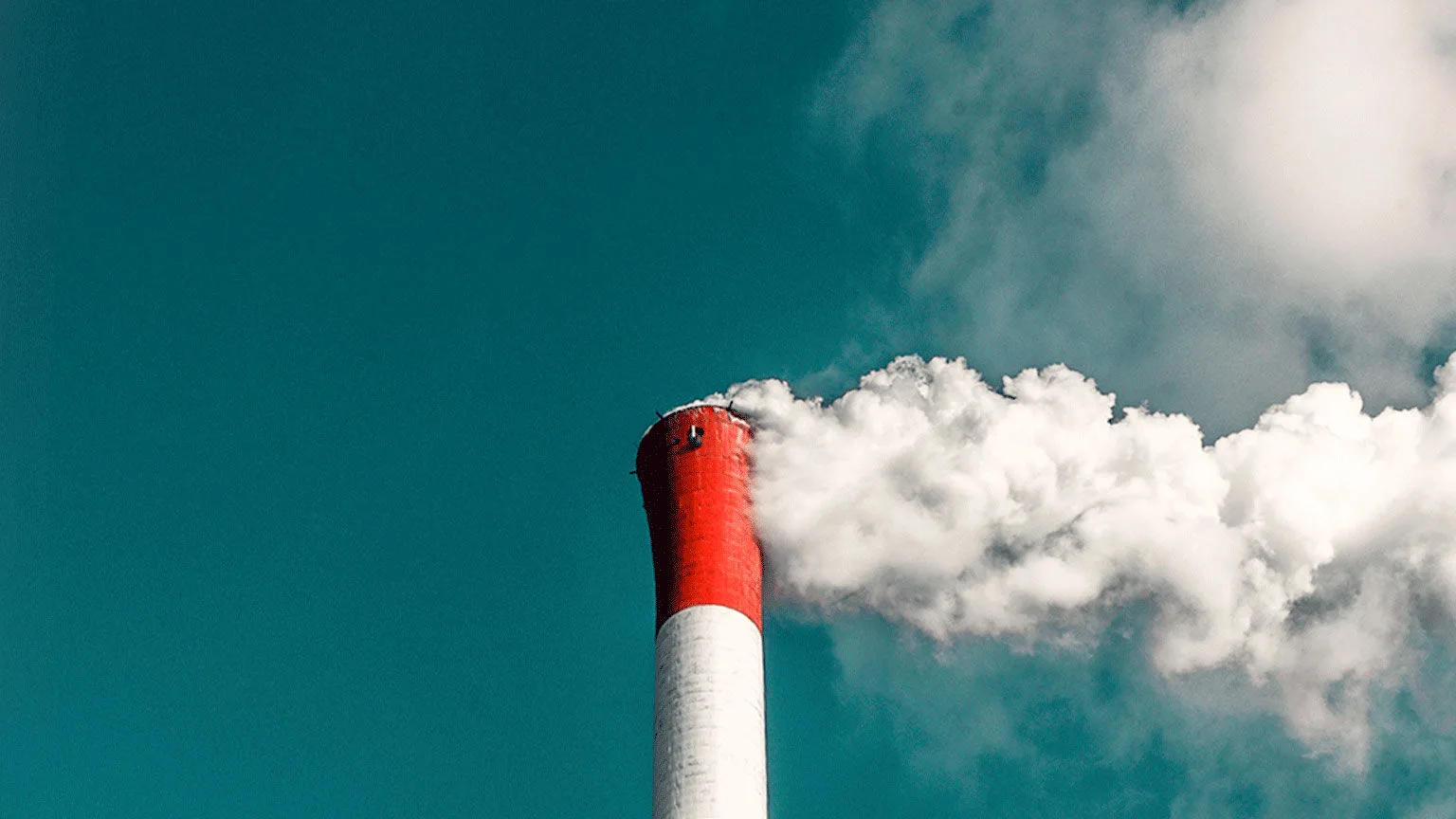
The importance of reducing carbon emissions for businesses in the UAE
Sustainability has become a business priority for companies across the UAE. As the country advances its Net Zero by 2050 Strategic Initiative, businesses are increasingly expected to reduce their environmental impact while maintaining efficiency and growth.
For small and medium-sized enterprises (SMEs), reducing carbon emissions is no longer simply about corporate responsibility. It can improve operational efficiency, strengthen customer relationships, support regulatory readiness, and create new business opportunities both locally and internationally.
The good news is that reducing your carbon footprint doesn't require major changes overnight. Small, practical improvements can make a measurable difference while supporting long-term business growth.
Why should UAE SMEs reduce their carbon emissions?

Build trust with customers and business partners
Many customers now prefer companies that demonstrate genuine sustainability efforts.
By reducing carbon emissions and adopting more sustainable business practices, your SME can strengthen its reputation, improve customer loyalty, and become a preferred supplier for organizations with Environmental, Social and Governance (ESG) objectives.
Reducing operating costs through greater efficiency
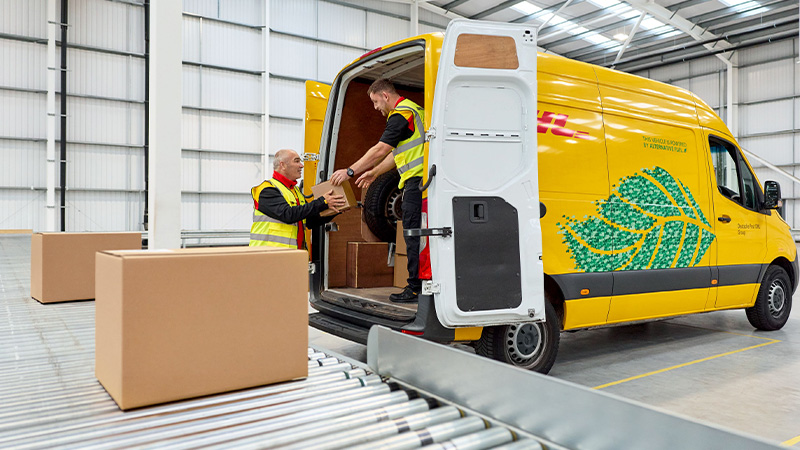
One of the biggest advantages of sustainability is improved efficiency.
Reducing unnecessary energy consumption, minimizing waste, and optimizing operations can lower operating costs while reducing your environmental impact.For SMEs where every dirham matters, these savings can significantly improve profitability over time.
Meet supplier and procurement requirements
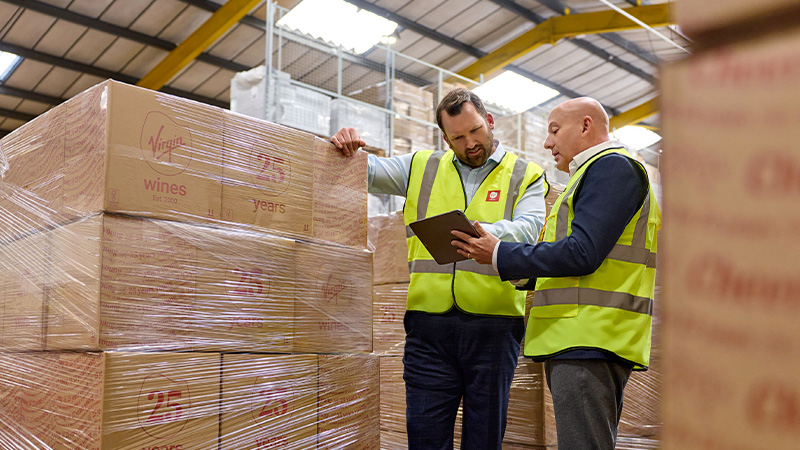
Many multinational companies and government organizations operating in the UAE now include sustainability criteria during supplier selection.
Demonstrating efforts to reduce emissions can strengthen your position when bidding for contracts and help your business remain competitive in increasingly sustainability-focused supply chains.

Stay ahead of future environmental regulations
The UAE continues to invest heavily in sustainable development through initiatives such as the UAE Net Zero by 2050 Strategic Initiative and wider environmental policies.
By implementing sustainable practices today, SMEs can prepare for future reporting requirements while building more resilient operations for international trade.
Practical ways UAE SMEs can reduce carbon emissions
You don't need to transform your business overnight. The most effective sustainability strategies are often implemented gradually.
Improve energy efficiency
Energy consumption is often the easiest place to begin.
Simple improvements include:
- Switching to LED lighting
- Replacing older equipment with energy-efficient alternatives
- Installing motion sensors in offices and warehouses
- Regularly maintaining air conditioning systems to improve efficiency
Given the UAE's climate, cooling systems account for a significant proportion of commercial energy use. Optimizing HVAC systems can therefore deliver substantial energy savings.
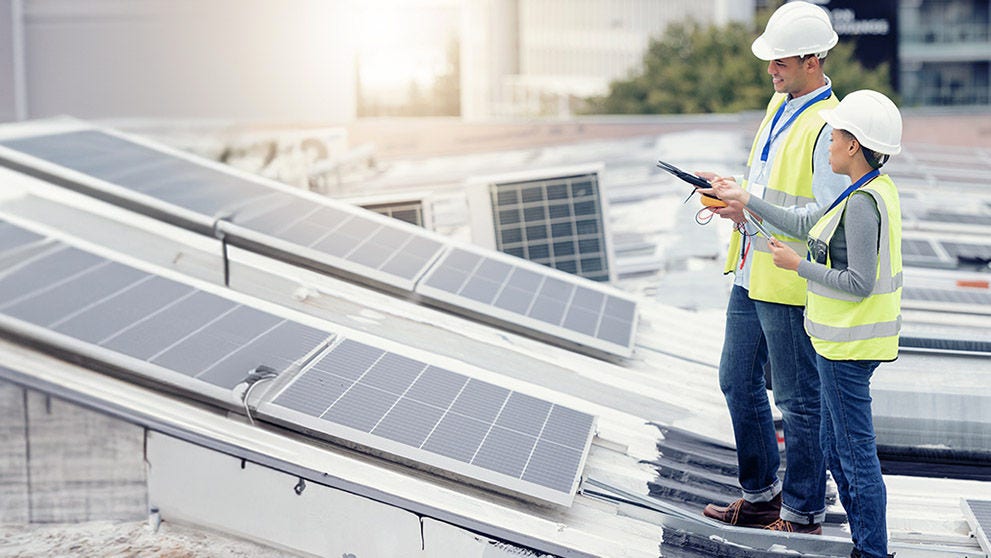
Businesses operating their own facilities may also consider installing rooftop solar panels where feasible, supporting both sustainability goals and long-term cost reductions.
As your company grows, adopting internationally recognized energy management standards such as ISO 50001 can help identify further opportunities to improve efficiency.

Make your logistics and shipping more sustainable
Transportation is one of the largest contributors to business carbon emissions, particularly for companies trading internationally.
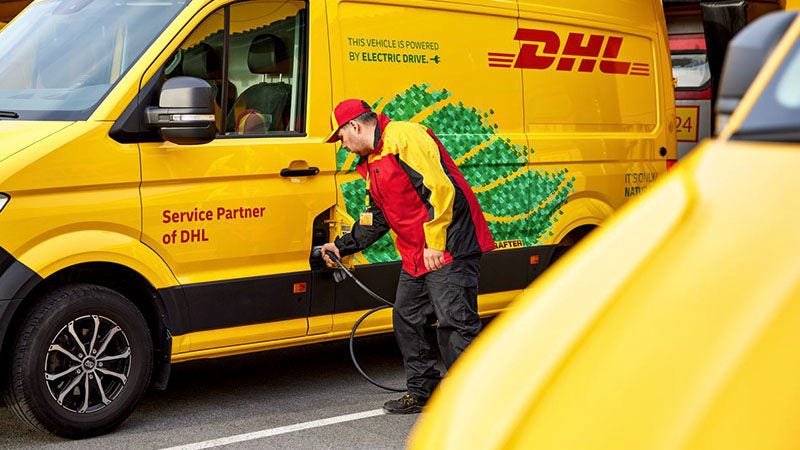
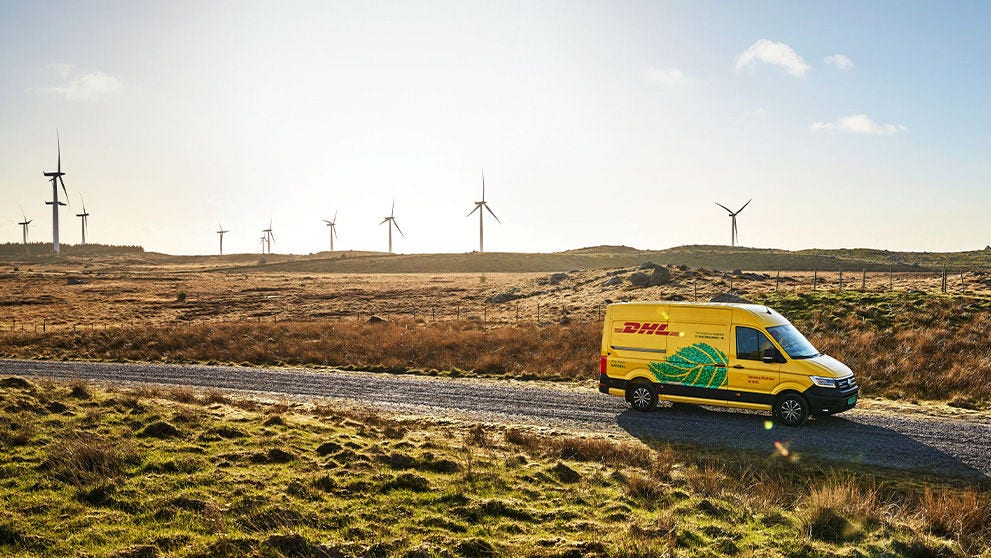
If your business operates delivery vehicles, consider gradually transitioning to electric or hybrid vehicles where practical.
Planning more efficient delivery routes, consolidating shipments, and sourcing products locally whenever possible can also help reduce transport emissions.
For international shipping, selecting a logistics partner committed to sustainable logistics is equally important.
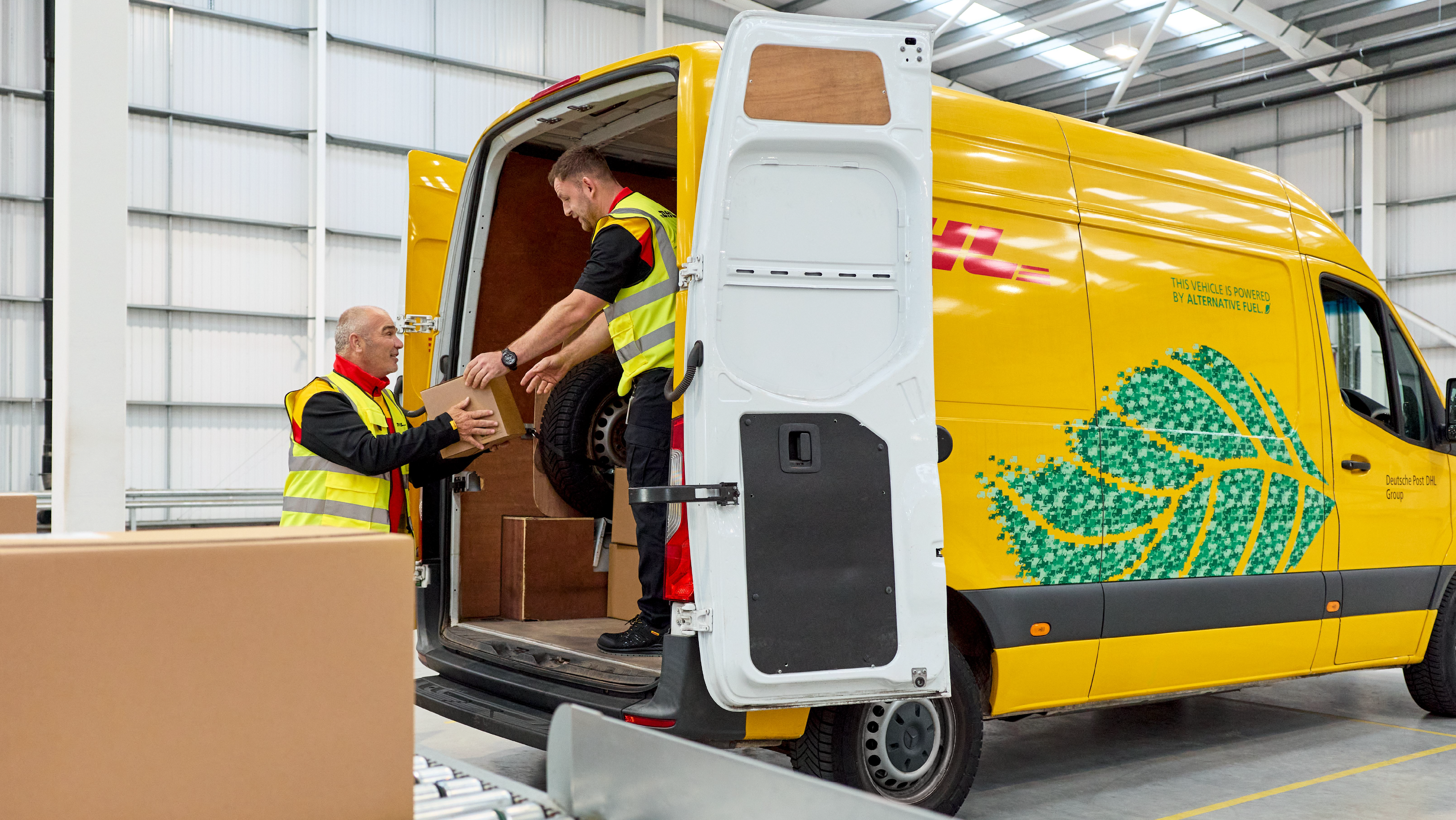
With DHL Express’ GoGreen Plus, UAE businesses can reduce the carbon emissions associated with international shipments by using Sustainable Aviation Fuel (SAF).
SAF is produced from renewable sources and significantly lowers lifecycle emissions compared to conventional aviation fuel—helping businesses support greener international shipping without changing their existing shipping processes.
Choose sustainable packaging
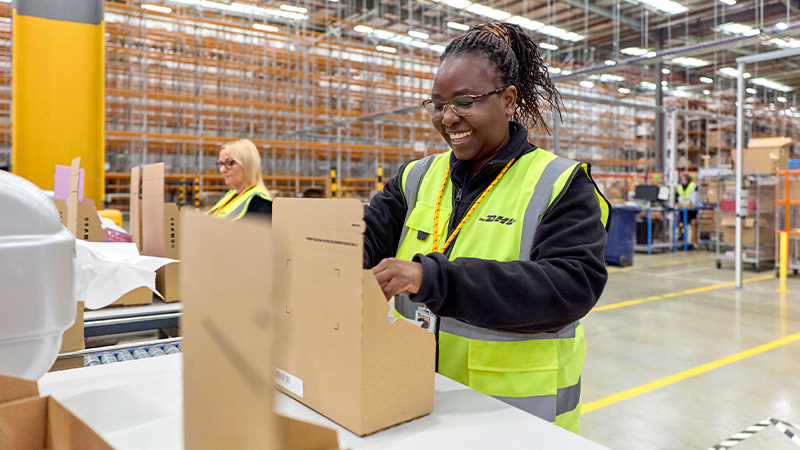
Packaging offers another opportunity to reduce emissions.
Consider:
- Using recycled packaging materials
- Selecting recyclable or compostable packaging
- Reducing unnecessary packaging
- Choosing right-sized shipping boxes to minimize volumetric weight
Smaller, lighter shipments not only reduce packaging waste but also contribute to lower transport emissions throughout the logistics network.
If packaging plays a big role in your business, exploring dedicated sustainable packaging solutions can help you find the right balance between protection, presentation, and environmental impact.

Reduce workplace waste
Creating a sustainable workplace doesn't require large investments.
Simple initiatives include:
- Encouraging reusable bottles and coffee cups
- Introducing clearly labelled recycling stations
- Reducing paper consumption through digital workflows
- Using environmentally friendly cleaning products
These everyday actions help build a sustainability-focused culture across your organization while reducing waste.
These steps may seem small, but they help build a sustainability mindset across your team – and that culture shift often leads to bigger ideas and better habits over time.
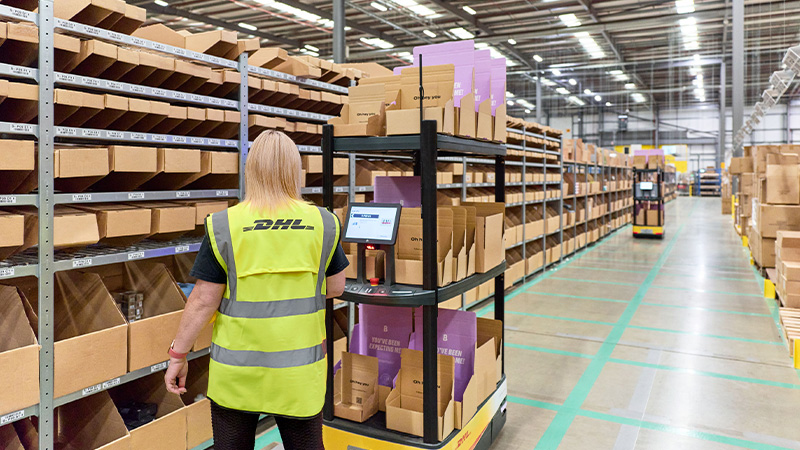
Use technology to improve efficiency
Technology enables SMEs to reduce emissions while improving productivity.
Warehouse automation, AI-powered route optimization, inventory management software, and energy monitoring systems all help businesses identify inefficiencies and reduce unnecessary emissions.
Better operational data leads to better business decisions—and often lower costs.
Supporting the UAE's sustainability ambitions
The UAE has established itself as a regional leader in sustainability through initiatives that encourage businesses to reduce emissions and adopt greener practices.
By improving operational efficiency, reducing waste, and investing in sustainable logistics, SMEs can contribute to these national ambitions while strengthening their own long-term competitiveness.
Sustainability is a journey
Reducing carbon emissions isn't about making every change at once.
Whether you're improving energy efficiency, reducing packaging waste, or adopting more sustainable shipping solutions, every step contributes to a more resilient and future-ready business.
For businesses shipping internationally, DHL Express UAE supports this journey through solutions like GoGreen Plus, enabling SMEs to reduce shipping-related carbon emissions using Sustainable Aviation Fuel while maintaining the speed and reliability of DHL Express.
As customer expectations continue to evolve, investing in green logistics, sustainable shipping, and environmentally responsible operations will help UAE SMEs remain competitive both locally and globally.
Ready to make your international shipping more sustainable?
Open a DHL Express Business Account today and discover how GoGreen Plus can help your business reduce shipping carbon emissions while supporting your sustainability goals.
*GoGreen Plus is a value-added service to a DHL shipment contributing to decarbonization measures within DHL’s logistics network. By using alternative fuels and/or technologies DHL reduces the usage of fossil fuels in the mode of transport used for the GoGreen Plus shipment. This does not necessarily mean that the specific shipment is physically transported with the assets using these fuels or technologies. Further information, e.g. on concrete decarbonization measures is available here.


 Share
Share
Similar Stories