REFERENCES
1 & 2 – CleanHub, May 2025



 Share
Share
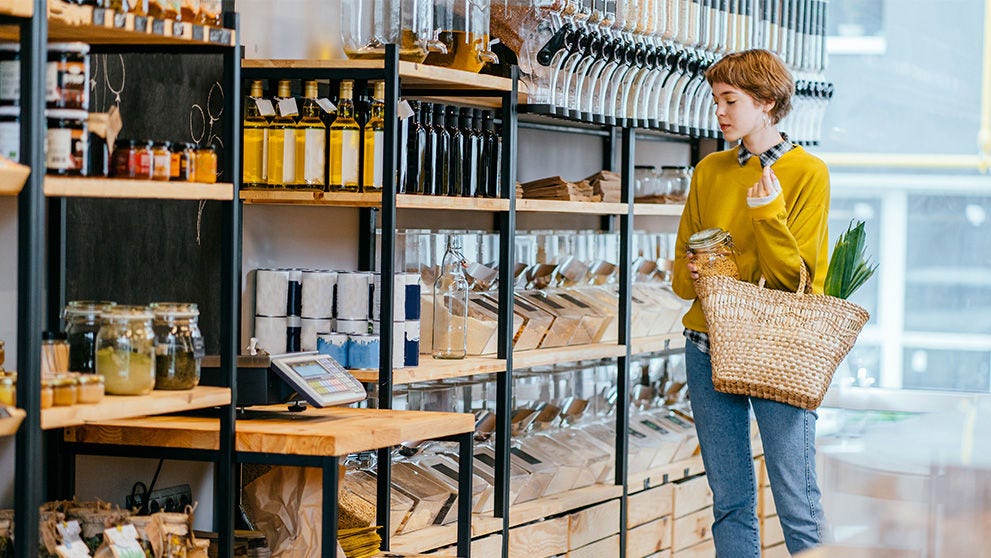
Mindful consumerism is on the rise – and it’s reshaping how people shop. Today’s customers are thinking beyond price tags and convenience; they’re weighing the environmental impact of every purchase. Eco-conscious consumers are growing in number, and brands that don’t adapt risk being left behind.
To help your SME stay ahead, this article takes a closer look at who these mindful shoppers are, what drives their decisions, and – most importantly – how you can win them over with sustainable messaging.
Conscious consumerism is about making more thoughtful purchasing decisions – often with the environment in mind. That might mean choosing to shop with brands that prioritize sustainability, or supporting businesses that follow ethical practices across their supply chains.
This mindful consumerism is growing, and it’s showing up in everyday choices – like opting for fair-trade coffee – or in bigger lifestyle shifts, such as switching to an electric vehicle. Many consumers may even weigh up whether the purchase is necessary in the first place; the goal is always to avoid overconsumption.
Environmentally-conscious consumers aren’t a niche group – they’re a fast-growing and diverse audience – but some generations are leading the charge.
Millennials and Gen Z are the most vocal and active when it comes to conscious consumerism. Research1 shows that 62% of consumers in these groups prefer to buy from sustainable brands – and they’re willing to spend more to do so. These younger consumers are research-driven and quick to call out “greenwashing.”
But they’re not alone: Gen X and even Baby Boomers are increasingly factoring sustainability into their buying decisions, especially when it comes to everyday products like groceries and home goods.
Eco-conscious consumers are selective – not just about what they buy, but who they buy from. They:
They’re also more likely to support small businesses that align with their values, especially if those businesses are authentic about their sustainability journey.
9 out of 10 consumers believe that it’s important for businesses to act in a socially and environmentally responsible way2
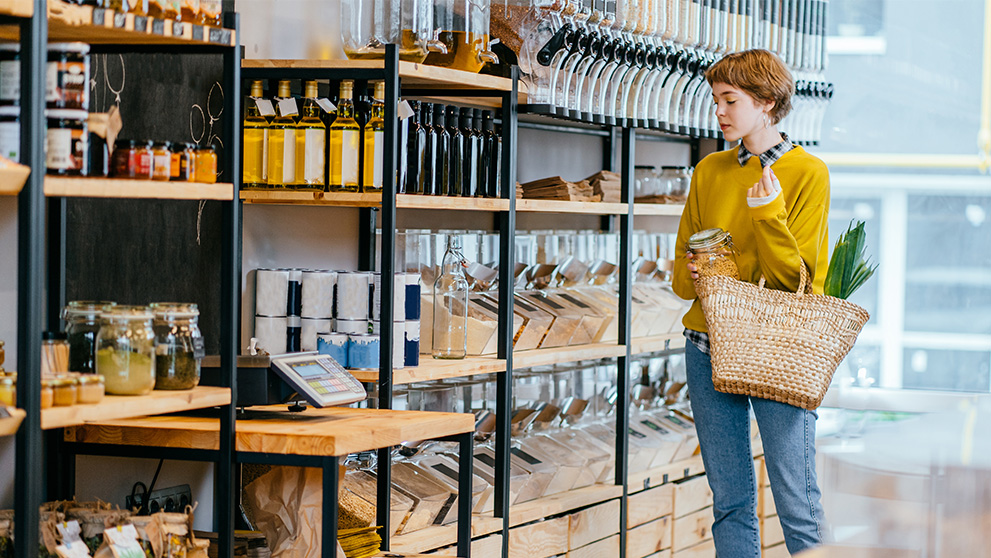
Some sectors see stronger demand for conscious products than others. In fashion and beauty, for example, sustainability is a major decision driver – with growing scrutiny on fast fashion and single-use plastics. In food and beverage, terms like “organic”, “locally sourced”, and “fair-trade” hold real weight. And in logistics and delivery, consumers increasingly care about the how, not just the what – pushing businesses to consider more sustainable shipping methods and recyclable packaging.
From your supply chain to your packaging and brand story, every touchpoint matters. Here’s what they’re looking for:

Today’s mindful shoppers have strong values – and they expect brands to live up to theirs. Authenticity means showing your true sustainability journey, even if you’re not perfect yet. Consumers respond well to real stories, not polished marketing fluff. That means highlighting your wins and acknowledging where you’re still improving.
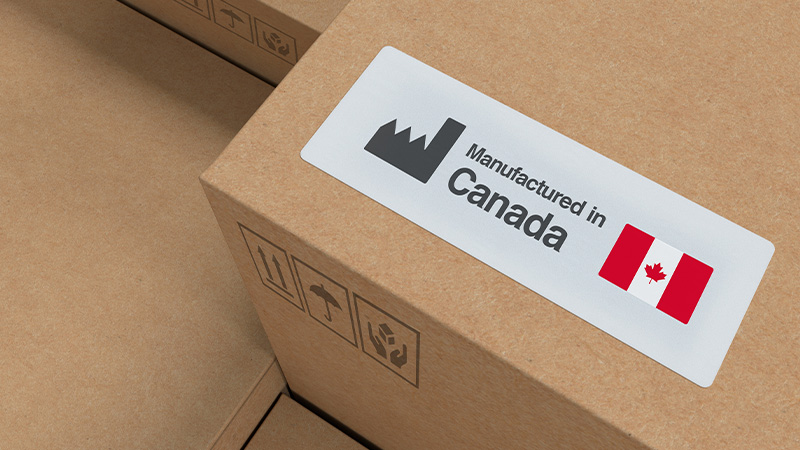
Being upfront builds trust. Conscious consumers want to know where your products come from, how they're made, and what impact they have. They're quick to spot vague claims or greenwashing – and they won’t hesitate to choose another brand instead.
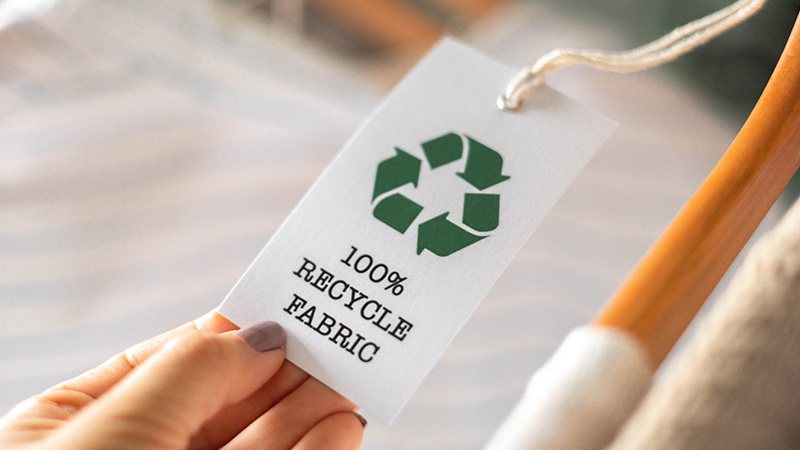
If customers can’t see your efforts, they might assume you’re not making any. Visual cues like eco-certified labels, carbon-neutral shipping badges, or even simple icons on your site can reinforce that you’re walking the talk.
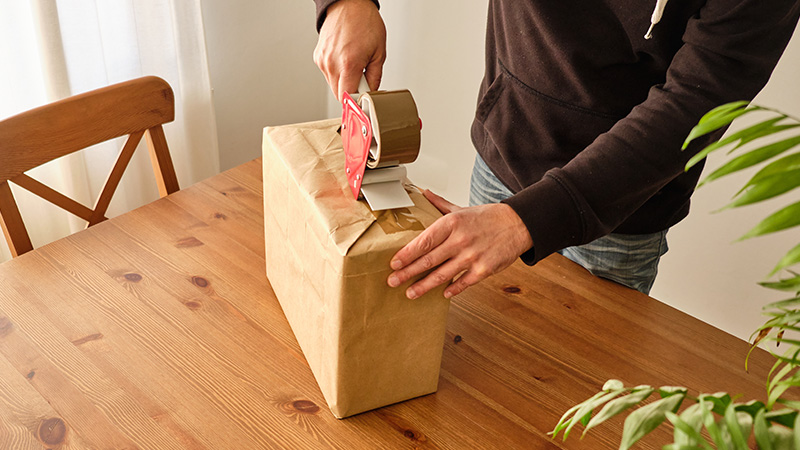
Sustainability shouldn't come at the cost of convenience. Eco-conscious shoppers still expect smooth delivery, easy returns, and a friction-free shopping experience – but they’ll choose options that reduce environmental impact when available.
Here’s how your business can start building trust and loyalty with mindful shoppers.
Not every SME has the resources to launch a full sustainability program – what matters is starting where you can. Switching to recyclable packaging, reducing filler materials, or offering low-emissions shipping options are all manageable steps that signal your values to customers.
Use your website, product pages, marketing emails, and social media to share the story behind your efforts. Be honest about where you are, and what you're working towards. Be open to feedback from customers, too – listen to their suggestions to direct your sustainability focus.
Words are good – but numbers are better. If you’ve reduced packaging waste by 20%, for example, talk about it across your comms. Measurable impact helps customers understand the real-world effects of their choices, and builds credibility for your brand.
Eco-conscious consumers are more likely to stick with brands that align with their values. By making sustainable choices easy and visible, you can turn first-time buyers into long-term advocates. You could nudge them along by rewarding customers who choose eco-friendly options with loyalty points, for example.
Whether it’s rethinking your packaging, offering label-free returns, or being transparent about your supply chain, every step counts. And DHL Express can support you on your sustainability journey.
Talk to your Account Manager about DHL’s GoGreen Plus solutions to help your business meet the growing expectations of customers.
REFERENCES
1 & 2 – CleanHub, May 2025
 Share
Share