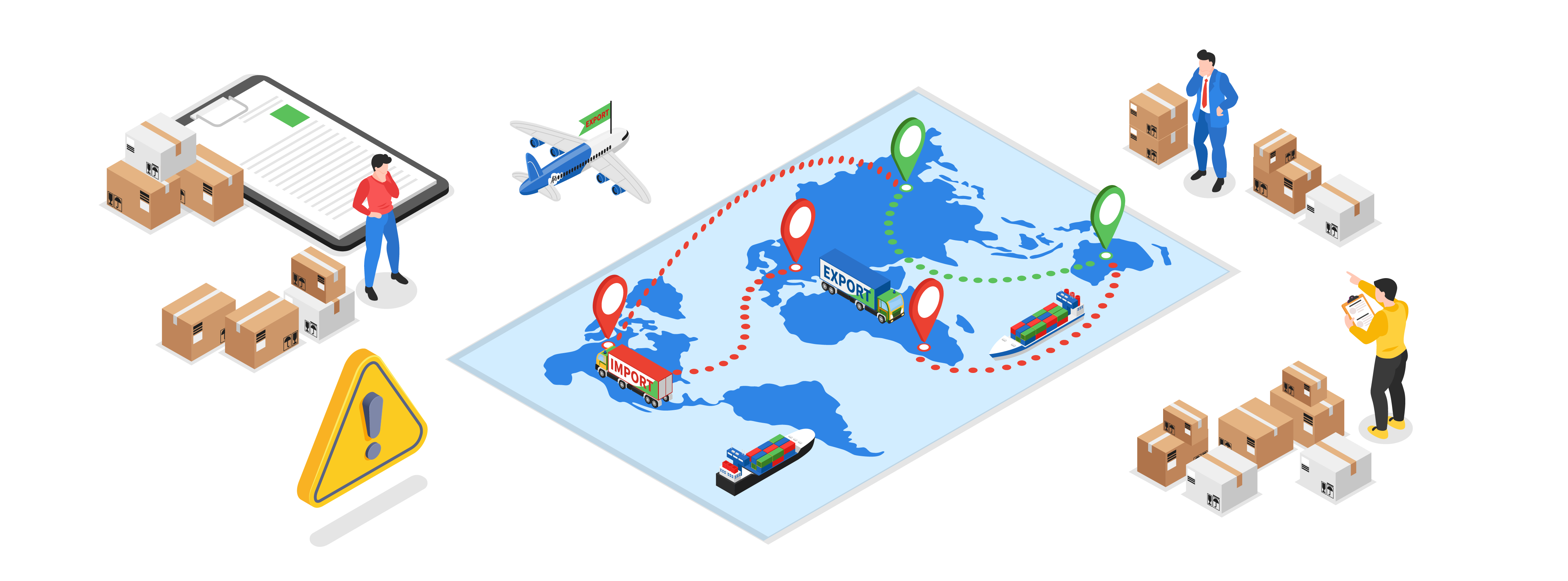
The Impact of US Tariffs on Small Businesses
In recent months, the United States has introduced a series of tariffs, particularly targeting imports from China, the EU, and other global markets. These trade measures have created significant challenges for small and medium-sized enterprises (SMEs), which often operate with tighter profit margins and less flexibility than larger corporations.
Frequent and rapidly implemented policy changes have left many SMEs struggling to adapt, while still meeting customer expectations for fast, reliable delivery to the US market.
At the same time, ongoing trade tensions have driven up shipping and freight costs—especially on high-volume routes such as Asia to the United States. Many businesses have been forced to reroute shipments, avoid certain ports, or navigate more complex customs procedures. Tariff-related inspections and delays have also led to additional expenses, including demurrage fees, storage costs, and unexpected logistics charges.
One of the biggest challenges for SMEs is deciding who absorbs these increased costs. For many businesses, covering them internally is not sustainable, while passing them on to customers can reduce price competitiveness. Despite these pressures, there are practical strategies SMEs can adopt to better manage tariff impacts and maintain efficient international shipping operations.