What are tariffs and how are they applied?
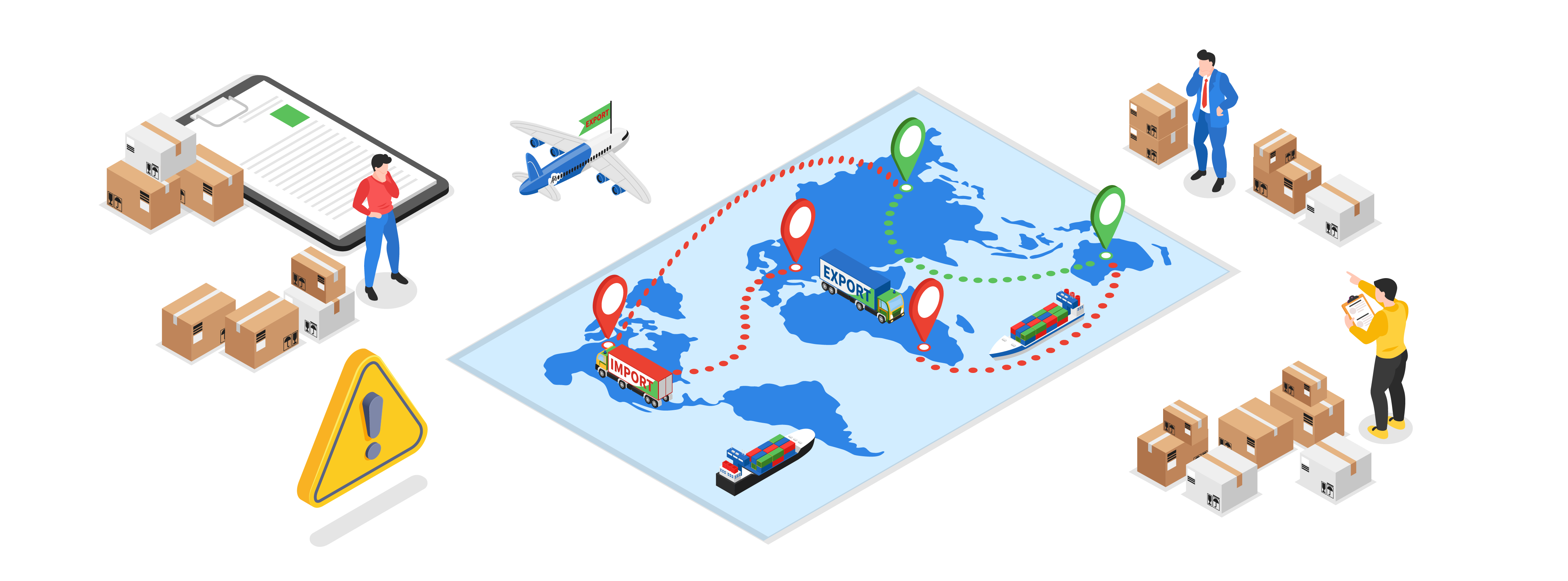
In simple terms, tariffs are taxes or duties that a government places on imported goods.
For a professional exporter, understanding tariffs is about mastering Landed Cost Engineering. A tariff is not a standalone fee; it is a multiplier that affects your final market price. To maintain competitiveness, businesses must calculate the total impact early in the sales cycle:
Total Landed Cost = Product Price + Shipping + Insurance + (Value x Tariff Rate)
Ensuring this calculation is accurate prevents 'Margin Erosion,' where the unexpected duty at the US border consumes the entire profit expected from the transaction.
The main goal of tariffs is twofold. Firstly, to protect domestic industries – by making foreign goods more expensive, tariffs help local businesses compete more effectively. Secondly, they generate revenue for the government – particularly crucial in countries that rely heavily on trade.
US tariffs are paid to the Customs and Border Protection agency at ports of entry across the country. They vary depending on the classification code, value, country of manufacture and associated freight charges for the commodities involved.