

1, 4, 6 – emplifi, 2024
2 – OptiMonk, 2024
5 – Forbes, 2024
7 – The Future of Commerce, 2023
9 – Accenture, 2022

Delivering a remarkable customer experience is no longer optional—it’s a necessity. Globally, studies show that 86% of customers won’t return after just two poor experiences, and the UAE market is no different. Retaining a customer is far more cost-effective than acquiring a new one, making customer loyalty a key business driver.
With e-commerce in the UAE growing rapidly, especially during Peak Season periods like Ramadan promotions, Eid shopping, and year-end sales, businesses must prioritize a customer-first strategy to stay ahead of the competition.
Nothing disappoints customers more than an out-of-stock product during Peak Season. To prevent this:
Coordinate with suppliers early. Discuss lead times and maintain frequent communication to anticipate any delays.
Bulk up inventory for high-demand items. Popular UAE shopping categories include electronics, fashion, perfumes, and gifts. Planning ahead ensures you’re ready for demand spikes.
Use inventory management tools. Software with predictive analytics can forecast demand based on past UAE Peak Season sales, automatically flag low stock, and trigger replenishment orders to suppliers.
A slow or confusing website can lose up to 7 out of 10 sales, so ensuring a smooth online shopping journey is essential.
Focus on speed and usability. Fast-loading pages, intuitive navigation, a robust search bar, and detailed product information with high-quality images are must-haves. Mobile optimization is critical, as UAE consumers increasingly shop via smartphones.
Simplify checkout. Allow Guest Checkout, multiple payment options (including digital wallets like Apple Pay, Samsung Pay, and local options like STC Pay), and minimize unnecessary steps.
Communicate shipping costs upfront. Hidden fees are one of the top reasons for cart abandonment—consider offering free shipping for orders above a certain amount to attract more buyers.
Source: Emplifi4
in the UAE, 97% of consumers say customer service directly impacts loyalty, so this is a major differentiator..
Respond quickly. UAE customers often expect replies within one hour on digital channels. Chatbots can handle 24/7 queries for SMEs and can even make personalized recommendations.
Support across channels. From social media DMs to WhatsApp, email, and your website, customers expect consistency. Maintain FAQs on your site to reduce friction.
Follow up post-resolution. Checking in after solving a problem reinforces trust and enhances long-term loyalty.
UAE shoppers increasingly expect tailored experiences – 60% state that they are more likely to become repeat customers after a personalized shopping experience7 – so it should be a central part of your e-commerce sales strategy.
Source: Accenture9
Small gestures can transform a regular purchase into a memorable experience.
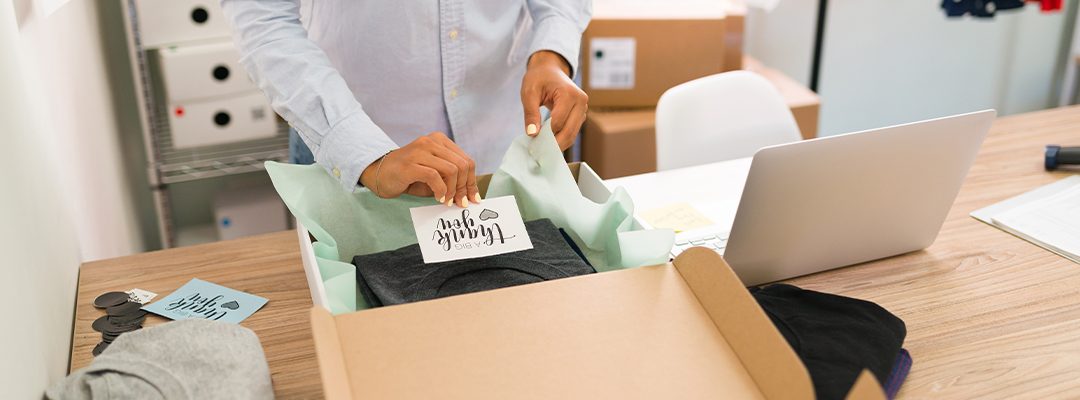
Create unboxing magic. Offer premium gift-wrapping options with elegant packaging—a popular practice for UAE holiday shoppers.
Add bonus items. Samples or small gifts make purchases feel special and help move excess stock.
Engage via social media. Run seasonal competitions or giveaways to create buzz and strengthen brand loyalty.
Offer fast shipping options. UAE customers are accustomed to quick delivery, so express options are highly appreciated.
Be clear on deadlines. Highlight last-order dates for guaranteed delivery during Peak Season events such as Eid or National Day.
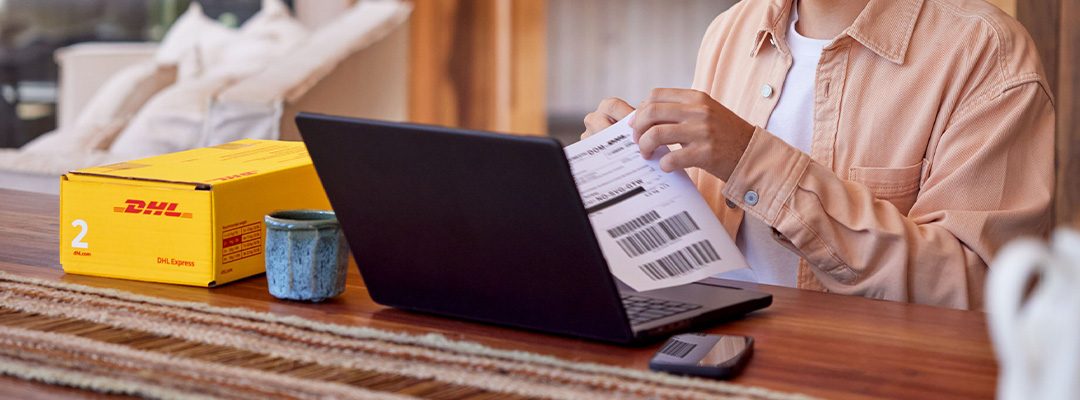
Send tracking updates. Inform customers via SMS or email about shipment progress. Solutions like DHL Express On-Demand Delivery allow recipients to choose delivery times and locations, enhancing convenience and satisfaction.
Pro tip for UAE SMEs: Peak Season is a busy but profitable time. Use a dedicated Peak Season Sales & Logistics Checklist to ensure you’re prepared—from stock management to customer support—to maximize opportunities and drive repeat business.
1, 4, 6 – emplifi, 2024
2 – OptiMonk, 2024
5 – Forbes, 2024
7 – The Future of Commerce, 2023
9 – Accenture, 2022


 Share
Share