If your business is up and running, congratulations! But before you start plotting how to grow internationally, you should be fine tuning your domestic shipping strategy, to ensure your products get to your customers on time and with minimal hassle to you. Here’s everything to consider, with tips and best practices.
What is domestic shipping?
Domestic shipping refers to the movement of goods between two points within a country’s borders. For example, a retailer based in Cairo, sending products to a customer in another city in Egypt is domestic shipping. Often, domestic services are extremely fast.
Domestic vs. international shipping
International shipping is when goods are moved between countries and across borders. It is a bigger and more complex operation than domestic shipping, due to customs and border regulations.
How long does domestic shipping take?
The delivery time depends on several factors including the carrier and the shipping option selected. Most express carriers offer expedited, next-day shipping as standard, to meet increasing customer demand. In Egypt, usually it takes from 1-3 days in average.
Benefits of domestic shipping to your business
For small businesses and start-ups, domestic shipping is the best place to begin their journey. There is less admin to deal with than international shipping (e.g., no customs documents), leaving them with more time to focus on the many other demands that a new business has.
Furthermore, domestic shipping affords better quality control – businesses can conduct on-site inspections when their suppliers are closer, whilst any problems (such as a customer’s order going missing) can more quickly be resolved.
Perhaps most importantly, domestic shipping is typically fast – and if there’s one thing your customers love, it’s speedy delivery.
Once you have conquered domestic shipping, you can look to grow your business on an international level – with support from global logistics experts, DHL.
Planning your domestic shipping strategy
Whether your business has just started selling products or it’s rapidly growing, a well-planned shipping strategy is the key to meeting customers’ expectations, and saving your business time. Here are some best practices for domestic shipping:

Think speed
It’ll be no surprise to you to hear that customers consistently place high value on the speed of delivery when ordering online. Offering your customers an Express option at checkout will ensure they have a great experience with your business and return again and again.
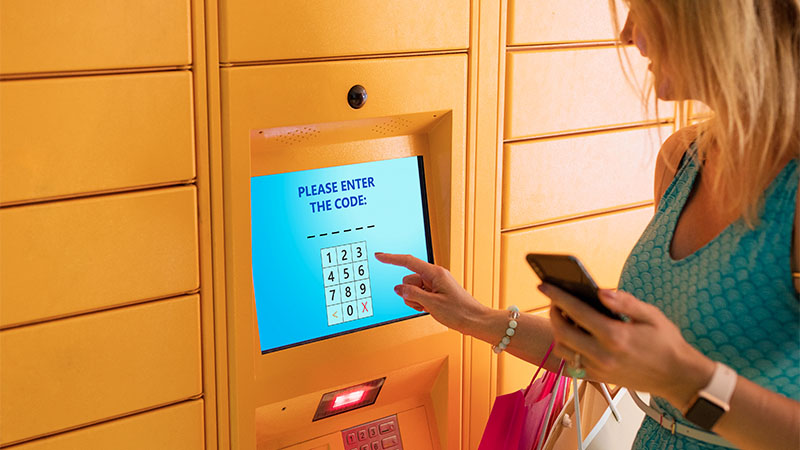
Offer customers flexible delivery
Sometimes a customer knows they won’t be at home to receive their delivery, so would like the option to divert it to their workplace for instance. In short, the more flexibility you can offer your customers at checkout, the less likely they are to become frustrated and abandon the purchase altogether. Partnering with a logistics leader with an extensive fulfilment network – like DHL Express – will help you meet expectations.

Evaluate your products – and then pack accordingly
With many carriers charging shipping per dimensional weight, the packaging you use for your products is very important. Products should be packed in suitably sized boxes with minimal excess space.
Decide how to charge customers
Globally, around 66% of consumers now expect free shipping on every purchase they make online1. Offering this may seem a big expense for your business but it’s a huge incentive for customers to shop with you – in fact, 60% of e-commerce businesses report that “free shipping with conditions” is their most successful marketing tool2.
Alternatively, you could offer a flat rate shipping fee or a carrier-calculated shipping fee. These might seem the cheapest options for your business, but not if they cause customers to abandon their shopping carts. Getting your pricing right may be a trial-and-error process which you adjust as you learn more about its impact on your sales. Just remember to be upfront with your customers about your shipping fees – no one likes surprises at checkout.

Think green
Studies showed that consumers in Egypt are increasingly inclined to support companies that adopt environmental sustainable practices. DHL’s GoGreen Plus service has recently launched an initiative which allows customers to reduce the carbon emissions associated with their shipments through the use of Sustainable Aviation Fuel. Increase your green credentials, here.
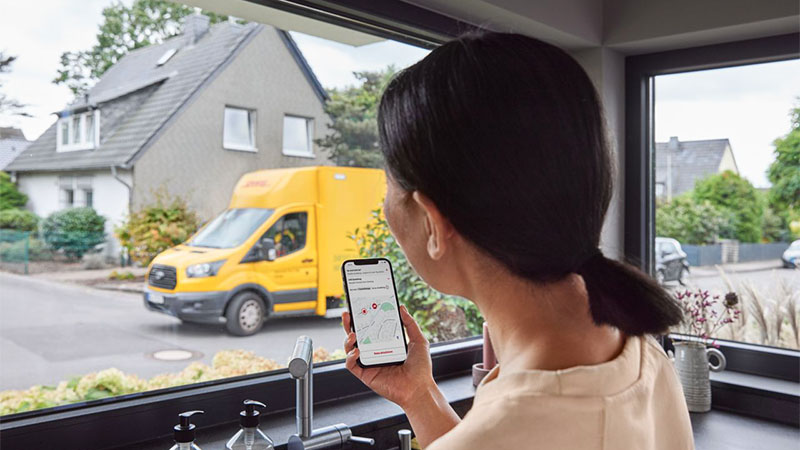
Offer full tracking
Customers always want to track their shipments. With DHL, you can offer them full tracking, in real time, with SMS/email notifications of its status.

Anticipate returns
It’s an unfortunate side of e-commerce that, on average, around 12.5% of online orders are returned by customers in Egypt. You should integrate this factor into your budget, and make allowances accordingly. It may be that you have to charge customers for returns to minimize the impact. Our guide to handling customer returns will navigate you through the process in more detail. You can’t hide from returns, so be prepared and take steps to reduce the costs!


 Share
Share