The countdown to Peak Season 2026 is on! From Black Friday and Cyber Monday to Christmas and the New Year sales, the biggest shopping period of the year is full of opportunities for e-commerce businesses. But with consumer trends constantly evolving, what will persuade shoppers to click 'buy' this year?
From AI-powered product discovery to increasingly demanding delivery expectations, we've rounded up eight trends shaping the holidays this year – along with practical tips to help your business turn them into sales.
Peak Season 2026: 8 trends in consumer buying behavior
1. Shoppers will start earlier
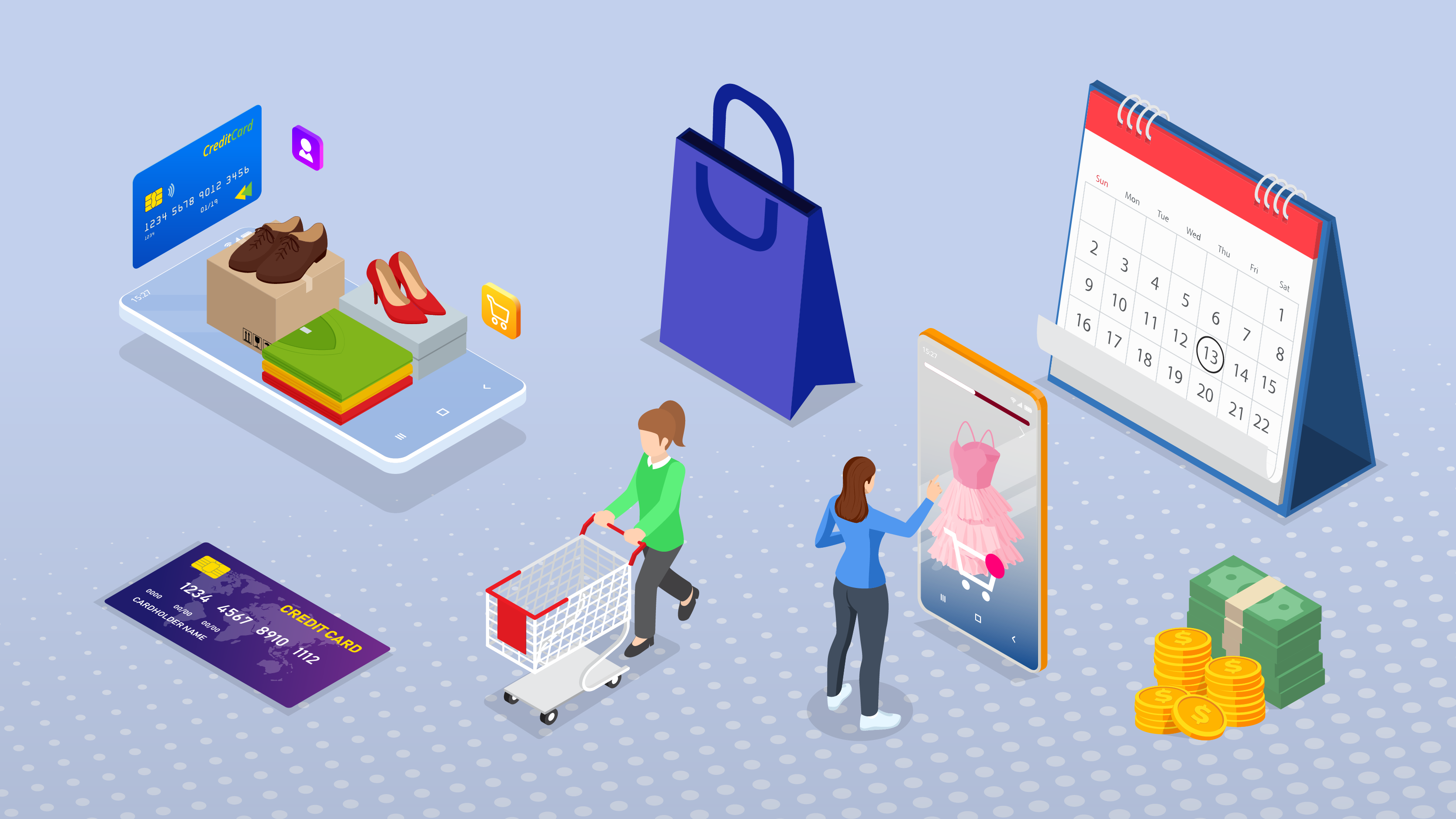
Forget waiting until Black Friday to kick off the holiday shopping rush. According to Deloitte's 2026 Holiday Retail Survey1, 22% of US consumers plan to start their holiday shopping earlier than last year. And one in four had already bought holiday items during June promotional events (now that’s organized!) The message is clear: Christmas shopping is starting long before the decorations go up.
What your business can do:
- Start your holiday campaign early: Build excitement with sneak peeks, countdowns and exclusive early-bird offers. Give customers a reason to shop before the Black Friday rush.
- Reward your early shoppers: Offer loyalty discounts, first access to new products or special bundles to encourage purchases ahead of peak demand.
- Get your inventory ready: Use previous sales data to forecast your bestsellers and make sure popular products don't sell out too soon.
- Plan promotions across the season: Don't put all your eggs in the Black Friday basket. Spread offers across November and December to capture customers shopping at different times.
- Communicate shipping deadlines: Make international delivery cut-off dates clear so customers know when to order for their gifts to arrive on time.
2. Consumers will look for value beyond discounts
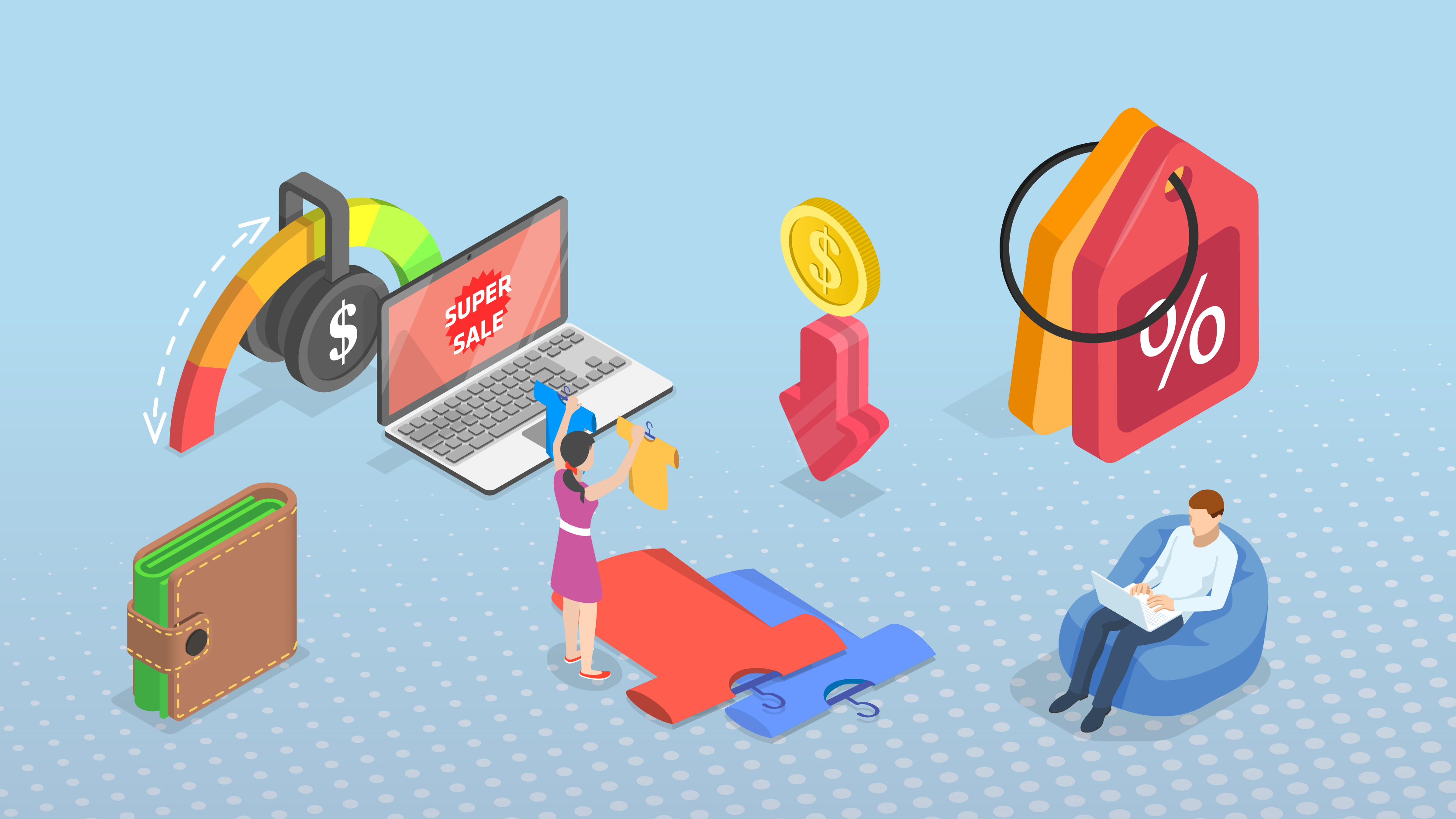
With household budgets still under pressure, shoppers are thinking carefully about where their money goes. But that doesn't necessarily mean they're spending less...
Flexible payments are becoming one solution. Adobe expects Buy Now, Pay Later (BNPL) to account for $21.3 billion in US online holiday spending in November and December 2026, following $20 billion in the 2025 season2.
What your business can do:
- Show customers what they're getting: Highlight product quality, durability, useful features and long-term value – not just the price tag.
- Create tempting bundles: Group complementary products into gift sets or multi-buy offers that provide genuine savings.
- Consider flexible payment options: Where appropriate, offer reputable BNPL services, with clear information about repayment terms and costs.
- Reward loyalty: Give returning customers exclusive offers, early access or rewards that make them feel valued.
- Be transparent about costs: Unexpected shipping charges or unclear fees can quickly undo the appeal of a great deal.
3. Shoppers will use AI to find products
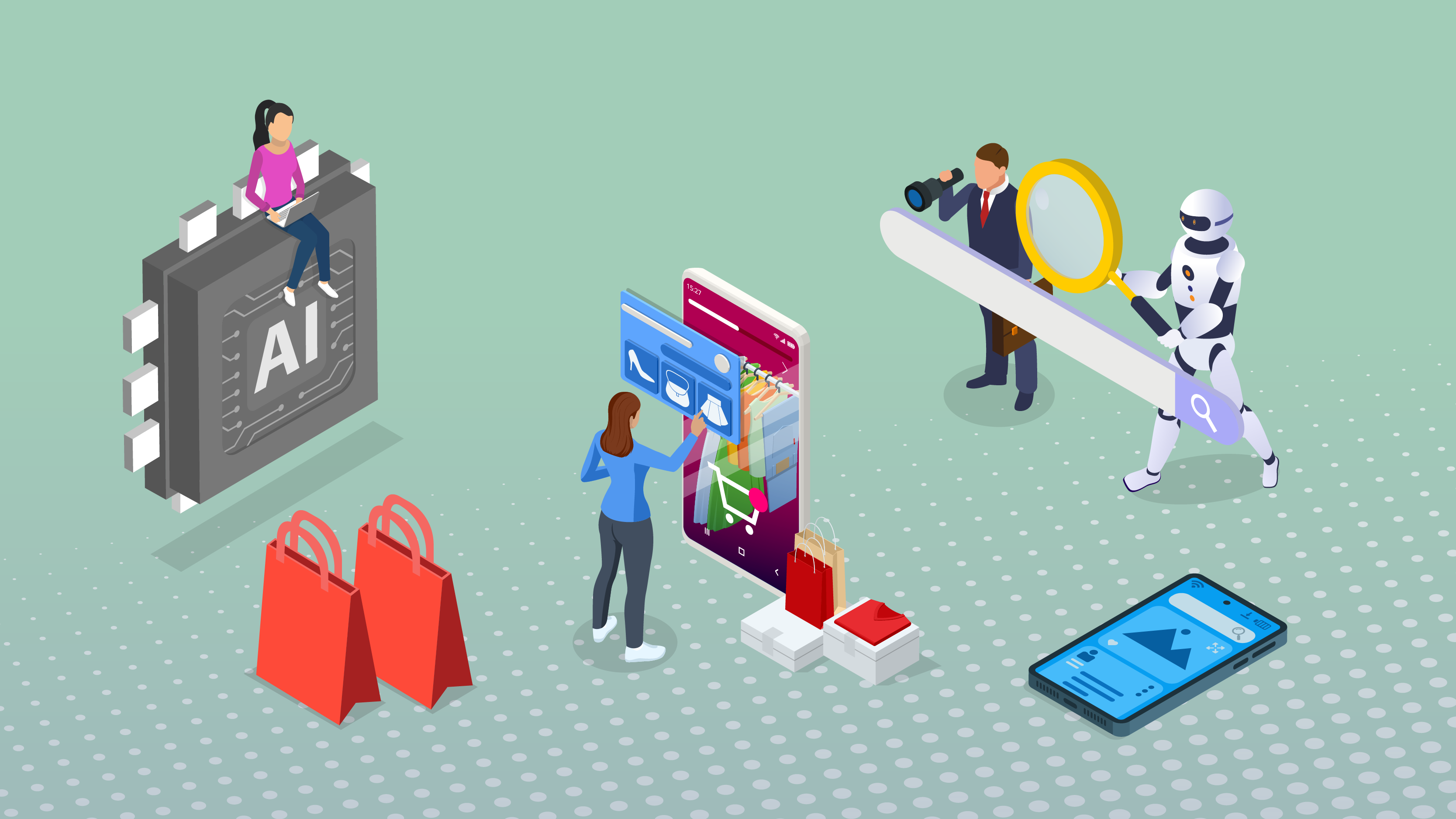
Move over, traditional search engines. AI is becoming a new shopping companion, helping customers discover products, compare prices and find the best deals.
According to Adobe, traffic to retail websites from generative AI tools jumped an extraordinary 693.4% during the 2025 holiday season compared with the previous year. And the trend is set to continue: Adobe forecasts a further 130% year-on-year increase in AI-driven retail traffic during the 2026 holiday season.
What your business can do:
- Make your product descriptions AI-friendly: Use clear, detailed descriptions that explain exactly what your products are, who they're for and what makes them special.
- Keep your product information accurate: Up-to-date prices, availability, specifications and shipping details help shoppers – and AI tools – find reliable answers.
- Answer common customer questions: Add useful FAQs covering product features, sizing, compatibility and delivery.
- Build credibility with reviews: Encourage genuine customer feedback and make it easy for shoppers to find independent opinions.
- Think beyond traditional SEO: Make your products easier for AI shopping tools to find and recommend. Use clear headings, detailed product descriptions and structured data to help them understand what you're selling. Think about the questions shoppers might ask AI – and make sure your website has the answers.
4. Customers will expect more than free shipping
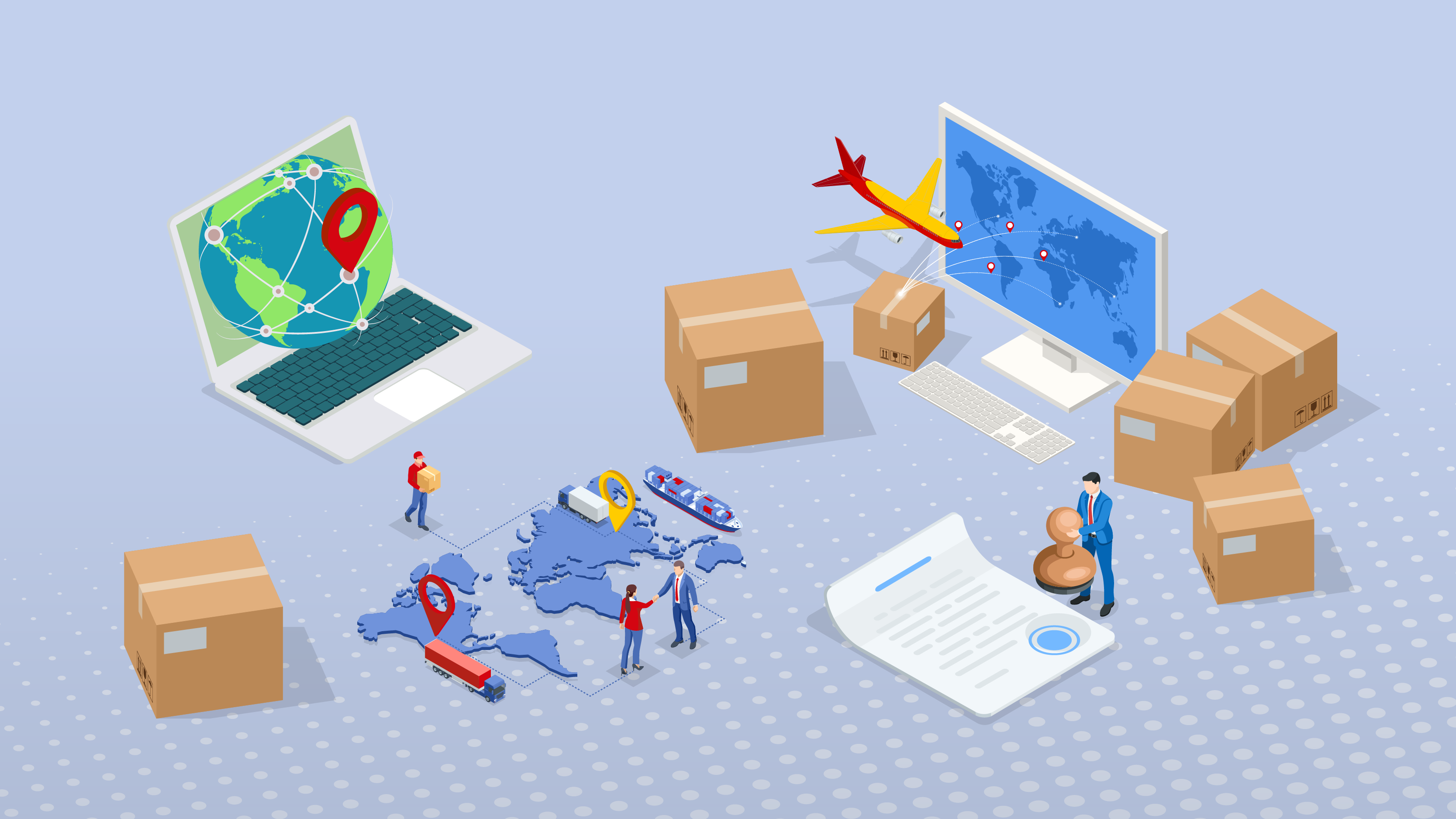
It’s no secret that shoppers love free shipping. Offering it above a minimum spend can be a clever way to encourage bigger baskets, too. But free shipping alone won't necessarily seal the deal. Here are a few other things worth shouting about at checkout to stop customers abandoning their baskets at the last moment…
What your business can do:
- Offer a choice of delivery speeds: Give customers the option to pay more for express shipping when they need their order urgently.
- Make returns straightforward: Explain your returns policy clearly, including any fees, deadlines and instructions.
- Don't overlook sustainability: Consider lower-emission shipping options where available.
- Be upfront about shipping costs: Show delivery charges and any applicable duties and taxes as early as possible in the buying journey.

5. Social media and creators will drive product discovery
From TikTok gift guides to Instagram unboxing videos, social media continues to shape what shoppers discover – and ultimately buy.
Salsify's 2026 Consumer Research3 found that 52% of surveyed consumers discover products through social media, rising to 73% among Gen Z. The good news for SMEs? You don't need a big marketing budget to get noticed – just a little creativity and an eye on what’s trending.
What your business can do:
- Show your products in action: Create short videos demonstrating how they work, what makes them useful or why they'd make a great gift.
- Partner with relevant creators: Micro-influencers with engaged audiences can be a cost-effective way to reach potential customers.
- Encourage user-generated content: Invite customers to share photos, reviews and unboxing videos, with permission to repost them.
- Make shopping easy: Use available social commerce features and product links to reduce the steps between discovery and checkout.
- Get involved in seasonal conversations: Create gift guides, trending-product roundups and festive content that feels natural to your brand.
- Have fun! From viral challenges to trending memes, look for opportunities to join the conversation and show off your brand's personality.
6. Personalized gifts will be in demand
Sometimes, it's the personal touches that make a gift feel special. And in 2026, shoppers are looking for presents that feel a little more thoughtful.
Deloitte found that 20% of surveyed consumers plan to buy personalized or monogrammed gifts this holiday season. Among Gen Z shoppers, that figure rises to 33%.
What your business can do:
- Offer personalization where possible: Consider engraving, monogramming, customized colors or personalized messages.
- Create gift guides for different recipients: Help shoppers find ideas for partners, parents, friends, colleagues and those notoriously difficult-to-buy-for people.
- Make recommendations relevant: Suggest complementary products based on what customers are browsing or have previously purchased.
- Offer gift-ready packaging: Attractive wrapping, handwritten notes or personalized cards can make even simple products feel special.
- Be clear about production times: Customized products may take longer to prepare, so communicate ordering deadlines well before Christmas.

7. Shoppers will do their homework before buying
A great-looking product page might catch someone's attention. But will it convince them to buy?
Today's shoppers are increasingly checking multiple sources before making a decision. Salsify's 2026 research found that 54% of surveyed consumers use two or three channels when researching mid-priced products. And when it comes to AI recommendations, only 14% trust them enough to make a purchase without further verification.
What your business can do:
Make product information consistent: Check that descriptions, specifications and prices match across your website, marketplaces and social channels.
Show genuine customer reviews: Honest feedback, including constructive criticism, can help shoppers make informed decisions.
Invest in quality visuals: Include clear photographs, close-ups and videos that show products from different angles.
Answer questions before they're asked: Provide sizing guides, detailed FAQs and straightforward information about shipping and returns.
Make your business easy to trust: Display clear contact details, transparent policies and secure payment options.

8. Shoppers will give experiences – not just presents
Not every gift comes wrapped in a box. From restaurant vouchers to memorable days out, experience-based gifting is becoming an increasingly popular way to celebrate.
Deloitte's 2026 Holiday Retail Survey found that 50% of shoppers plan to give experiences, up 11 percentage points from 2024. But physical gifts aren't being forgotten: 79% of those planning to give an experience also expect to pair it with a tangible item.
What your business can do:
Think about how your products complement experiences: Could your accessories, clothing or equipment be paired with a hobby, trip or activity?
Create themed gift bundles: Combine related products around interests such as cooking, fitness, travel or self-care.
Offer gift cards: Let customers choose something they'll genuinely enjoy, especially when they're unsure what to buy.
Tell a story around your products: Show how they can help create memories or make special occasions even better.
Highlight last-minute gift options: Digital gift cards and express delivery can appeal to shoppers who've left their purchases a little late.
Make Peak Season 2026 your best yet
From early-bird bargain hunters to AI-assisted shoppers, the 2026 holiday season is shaping up to be another exciting opportunity for e-commerce businesses.
The key? Understand what your customers want, make shopping as easy as possible and deliver on your promises – from the first click to the final delivery.
With DHL Express, your business can reach customers in more than 220 countries and territories, with fast international shipping, customs expertise and flexible delivery options to help you make the most of the seasonal rush.
Open a DHL Express Business Account and get your business moving.


 Share