


What is e-commerce? This guide covers everything your e-commerce business needs to succeed — including types of e-commerce, core benefits, e-commerce basics, and Hong Kong e-commerce opportunities — to help you optimize your logistics operations.
What is E-Commerce? Definition and Key Concepts
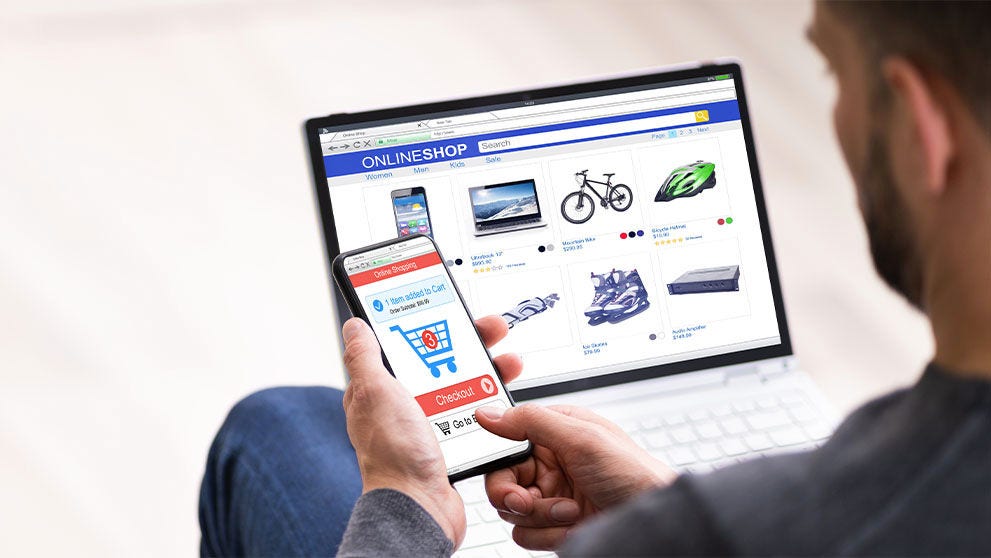
E-commerce is the buying and selling of goods and services over the internet. Unlike traditional face-to-face commerce, e-commerce has the benefit of 24/7 availability, and a global reach.
Thanks to rapid digitalisation, e-commerce has become a daily habit for consumers worldwide. Mastering the e-commerce basics is a critical first step for any modern business looking to grow.
What Are the Types of E-Commerce? B2B, B2C and C2C Overview
There are several types of e-commerce:
B2C (Business-to-Consumer)
This involves online businesses – typically retailers – selling products and services directly to consumers. Examples include grocery and apparel brands, small businesses with their own e-commerce website, and various subscription services.
B2B (Business-to-Business)
This involves electronic transactions of goods and services between businesses. Examples include commerce wholesale, where the buyer then sells on to an end customer (B2B to B2C). B2B e-commerce is a fast-growing sector; with negotiations having largely shifted online.
C2C (Consumer-to-Consumer)
This involves the electronic transactions of goods and services between consumers. Typically, these are conducted via a third-party online e-commerce platform. Second-hand trading is a common example.
C2B (Consumer-to-Business)
Consumers sell their products or services to businesses. Examples include online content creators selling ad space, or photographers licensing their images to businesses through stock image platforms.
Core Benefits of E-commerce
Any small or existing business looking to grow should make e-commerce a core part of their strategy. Whether you are a start-up exploring e-commerce basics or an established enterprise looking to scale, it has never been easier to set up an online store. The many benefits include:
A continuously growing market. The global e-commerce market continues to expand at pace, with rising internet and smartphone penetration driving online shopping adoption worldwide, creating limitless business potential.
Low operating costs. Setting up an online store is much more affordable than a bricks-and-mortar outlet, without the need to pay for rent, store design and staff. Budding e-commerce entrepreneurs can start small, selling on an online marketplace like eBay, which has relatively low risks associated. There are also many low-cost marketing tools at your disposal — leveraging social media, for example, is a powerful way to engage with large numbers of potential customers.There are also many low-cost marketing tools at your disposal — leveraging social media, for example, is a powerful way to engage with large numbers of potential customers.
Global reach. Thanks to the growth of international shipping, it has never been easier to open your online store to the world. Of course, this requires some market research into which countries are hot buyers of your products, and ensuring your e-commerce website is customized for local buyers (think language and payment methods), but the opportunity to maximize your sales is vast. Choosing a reliable international logistics partner is key to successfully expanding into overseas markets.
Powerful customer data. You can’t improve your business without really knowing your customers, and this is where e-commerce really thrives. As an online seller, you’ll have access to invaluable behavioral data about your customers: how they arrived at your website, what products they were searching for, where their engagement was highest, what made them abandon a cart – all of which you can utilize to continually improve your business and maximize sales.
Key Components of a Successful E-Commerce Business
When setting up an online business, these are the most important components of a successful e-commerce business strategy.
Customer Engagement
A big one. At every touchpoint of your online business – from your e-commerce website to your social media channels to your marketing emails – you should be carefully considering the customer experience. Online shoppers expect ease, convenience and speed – and so much of that is tied into the next point...
Website and Design
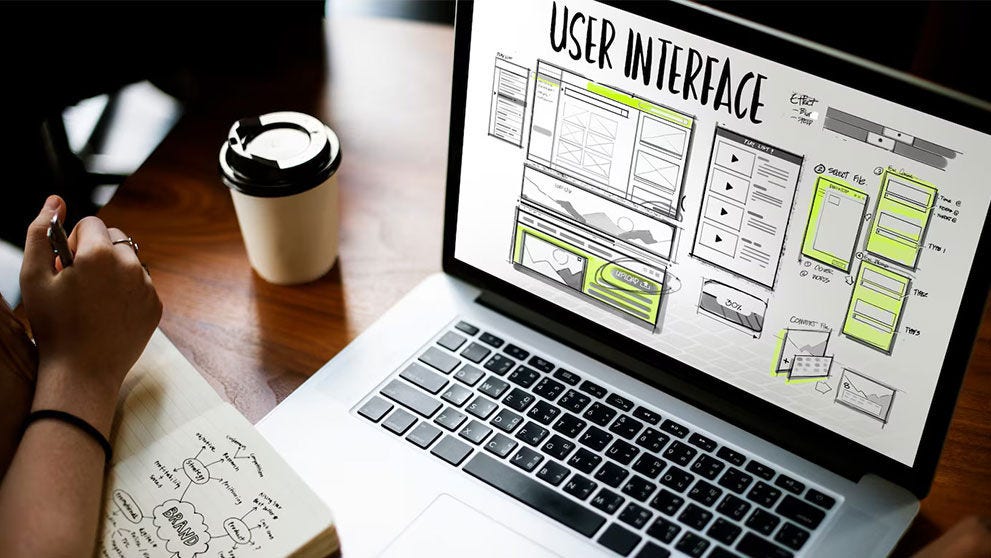
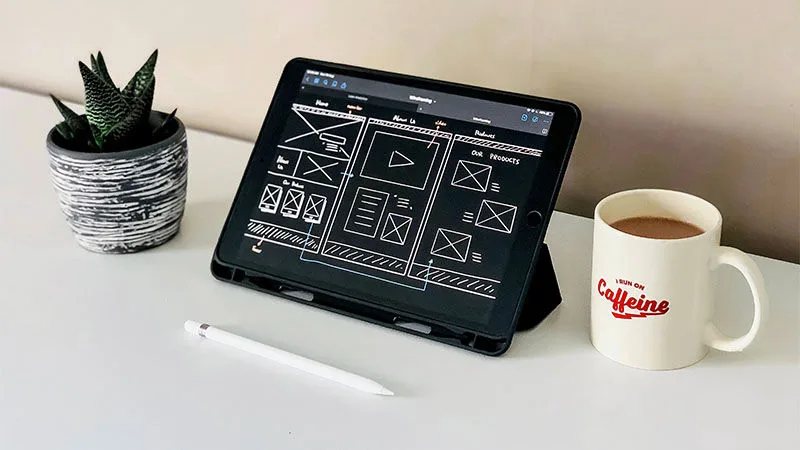
Your website is the face of your brand, but its importance goes beyond its aesthetic. Visitors will expect a fast, intuitive experience, otherwise they’ll abandon your website altogether. There’s a lot to consider – from page loading speed to navigation to customer service. Therefore, check out our 15 golden rules of e-commerce to tick them all off.
Online Payments
Research shows that offering consumers their preferred payment method significantly increases checkout completion rates. But which ones should your business offer? Credit cards? Digital wallets? And what about ‘buy now pay later’ installment plans? Dive into our guide to the new ways to pay to get started – and remember to do your research into local preferences if you’re selling internationally.
Dynamic Pricing
This involves changing the prices of your products based on market trends, supply and demand, inventory level and customer expectations. Being flexible with your pricing strategy is key to remaining competitive – for example, price matching a competitor’s products.
Today, there are many AI-powered technology platforms that can monitor your inventory to find the optimal price points for your products, based on demand. This will benefit your business and your customers.
Supply Chain
The supply chain is the entire network involved in the sourcing and procurement of raw materials, conversion of those materials into finished goods, and the distribution of those finished goods. As an e-commerce business, you may work with several partners along the supply chain, so maintaining regular communication is key to anticipating hurdles and putting plans in place – such as if a supplier is going to be late with one of their deliveries to you.
An agile supply chain can quickly adapt to market changes, anticipate spikes in demand, and meet customers’ delivery expectations.
E-Commerce Logistics Management
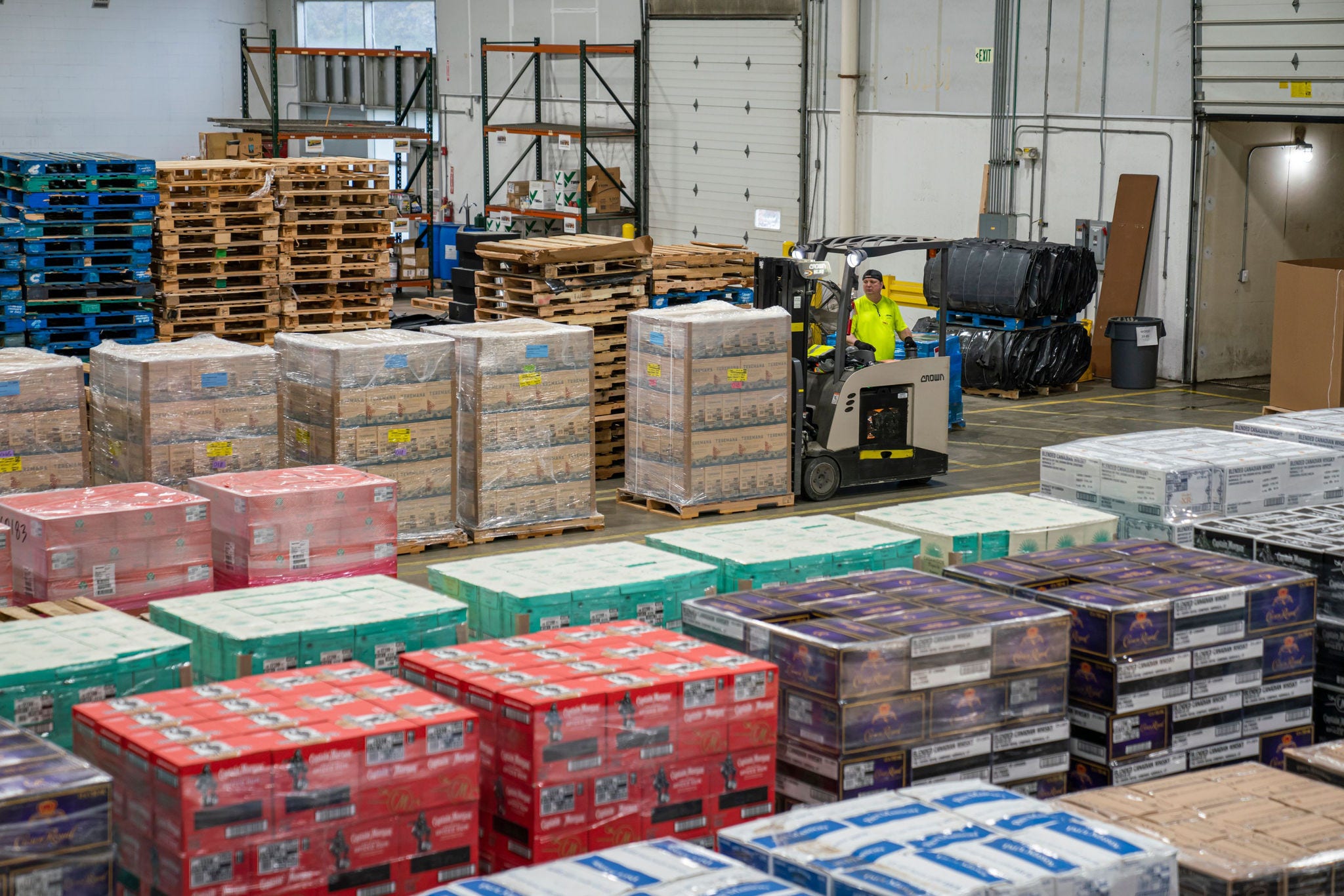
Ecommerce Logistics covers procurement, inventory management, fulfilment, distribution, warehousing, transportation, packaging and risk management. For small businesses in particular, e-commerce logistics is critical to reducing costs, staying competitive and getting products to customers on time. There are an increasing number of technologies available to help you optimize these operations – for example, software to improve the efficiency of your warehouse operations, and route planning software to reduce your transportation costs.
Returns Policy
It’s an unfortunate downside of e-commerce that products are frequently returned by consumers. But before you skip this section, consider this: most consumers will check a retailer's return policy before committing to a purchase, so taking returns seriously is key. In fact, it’s so important that we’ve dedicated a whole article to it. Explore DHL Reverse Logistics Solutions, including a free returns template covering everything your customers will expect.
Key Challenges in E-commerce
It wouldn’t be a complete e-commerce article without acknowledging some of the challenges of the sector. The key is to be aware of them and stay one step ahead!
Customer experience
Customers’ expectations of their online experiences are growing – keeping up with them can be demanding and expensive. For example, consumers are increasingly demanding fast delivery, free shipping, and greater environmental responsibility from brands — and these are just a few. Yet, investing in customer experience is vital for your business – remember, it’s cheaper to retain a loyal customer than acquire a new one!
Industry Competition
E-commerce is fiercely competitive – whatever you’re selling, the chances are there are countless other online businesses out there offering the same.
By conducting a thorough competitor analysis, you can learn best practices to market and sell more effectively, and identify gaps in the market your business can pivot to meet.
So, what are your business’s strengths? Where are you falling short of your competitors? And what strategy should you take to improve?
Website Optimisation and Conversion Rate
Improving website conversion rates is an ongoing challenge for any e-commerce business, but there are targeted steps your online business can take to improve it. Your website analytics will show you at which point your customers are abandoning their shopping carts or dropping off your site. Perhaps you are losing them when you ask them to register an account – in this instance, introducing “Guest Checkout” could be transformative. Optimizing your website will be a continual task but worth it to improve your conversions.
The Future of E-commerce
What does the future of e-commerce hold? And what does that mean for your business’s growth strategy?
The Continued Rise of Omnichannel Retail
The way online consumers shop is often a complex journey involving several different channels. They may research a brand on social media, compare prices on an online marketplace, then complete the purchase on a brand’s dedicated mobile app. The challenge for businesses is to ensure these different touchpoints work together; research shows that most shoppers want a personalised and consistent experience across all channels.
AI and E-Commerce Automation
With e-commerce businesses facing increasing customer expectations, technologies are emerging to automate several areas of their logistics – from indoor mobile robots to optimize picking and packing within warehouses, to smarter chatbot technologies that can better engage website visitors. Discover the full breadth of exciting innovations transforming the e-commerce industry with our exclusive Logistics Trend Radar.
Sustainability as a Competitive Advantage
In response to consumers’ expectations, more brands are leaning into sustainability. This can range from adopting sustainable packaging to developing full initiatives around carbon emissions. Sustainability is fast becoming a key differentiator for e-commerce brands.
Hong Kong E-Commerce: Why Hong Kong is the Ideal Starting Point
Hong Kong's unique geographical position and business environment make it an ideal base for developing an e-commerce business. As one of Asia's most important international trade gateways, Hong Kong e-commerce operations can easily reach Mainland China, Southeast Asia, and global markets — with a particular advantage in cross-border e-commerce.
Key advantages of Hong Kong e-commerce include:
Free port status: The majority of goods are imported and exported duty-free, significantly reducing the operating costs of cross-border e-commerce
World-class logistics infrastructure: A leading air and sea freight network supporting fast, efficient local and international delivery
High internet penetration: With widespread internet and smartphone usage, Hong Kong consumers are highly receptive to online shopping
International business environment: A common law system, robust financial framework, and diverse payment options provide a stable foundation for e-commerce businesses
Greater Bay Area connectivity: Hong Kong's proximity to Guangdong Province makes it an ideal springboard for accessing the vast Greater Bay Area consumer market
Whether you are an entrepreneur just getting started with e-commerce basics or a business planning to scale, Hong Kong's e-commerce ecosystem offers ample room to grow. To fully capitalize on these advantages, it is essential to develop a digital marketing strategy tailored to the Hong Kong market — and equally important to select a reliable e-commerce logistics partner.
As a leading global e-commerce logistics provider, DHL offers comprehensive local and international express delivery solutions for Hong Kong businesses, helping you manage order fulfillment efficiently, enhance the customer experience, and grow beyond borders.
E-commerce FAQs
What is e-commerce?
E-commerce (electronic commerce) refers to all commercial activity involving the buying and selling of goods and services over the internet. Consumers and businesses can transact without visiting a physical store — through websites, mobile apps, or social media — breaking free from geographic and time constraints.
What are the main types of e-commerce?
E-commerce is broadly divided into four main types: B2C (Business-to-Consumer), B2B (Business-to-Business), C2C (Consumer-to-Consumer), and C2B (Consumer-to-Business), each suited to different business scales and industries.
What is e-commerce marketing?
E-commerce marketing refers to the digital strategies used to drive potential customers towards completing an online purchase. These typically include search engine optimisation (SEO), social media content, paid advertising, and email campaigns — spanning the full consumer journey from brand awareness through to conversion.
What are the advantages of Hong Kong e-commerce?
Hong Kong e-commerce benefits from a free port policy, world-class logistics infrastructure, and high internet penetration, making it an ideal base for online businesses. Companies can leverage Hong Kong to expand cross-border e-commerce operations across the Asia-Pacific region.
How should I choose an e-commerce logistics partner?
A reliable e-commerce logistics partner should offer fast delivery, end-to-end tracking, flexible returns solutions, and a robust international shipping network. DHL provides e-commerce businesses in Hong Kong and worldwide with comprehensive logistics solutions to enhance customer experience and drive operational efficiency.


 Share
Share
Similar Stories