For Kenya’s vibrant business community—from Nairobi’s bustling tech startups to Mombasa’s established tea exporters—the world economy is shifting dramatically and the change is playing out right here in our region.
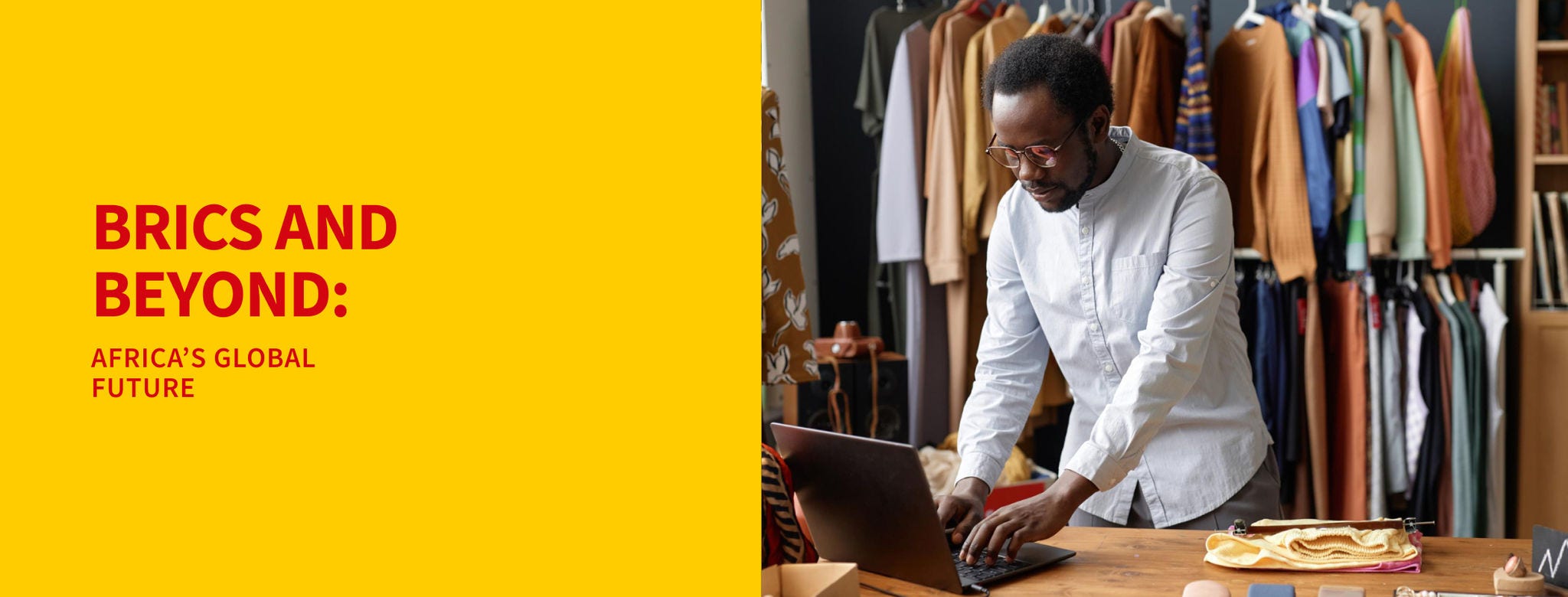
With Ethiopia, our neighbor to the north, joining the expanded BRICS+ alliance, global trade dynamics are being reshaped. DHL’s latest GIBS Development Series report dives into what this evolving power bloc means for Africa and why we must stay sharply focused.
Hennie Heymans, CEO DHL Express Sub-Saharan Africa
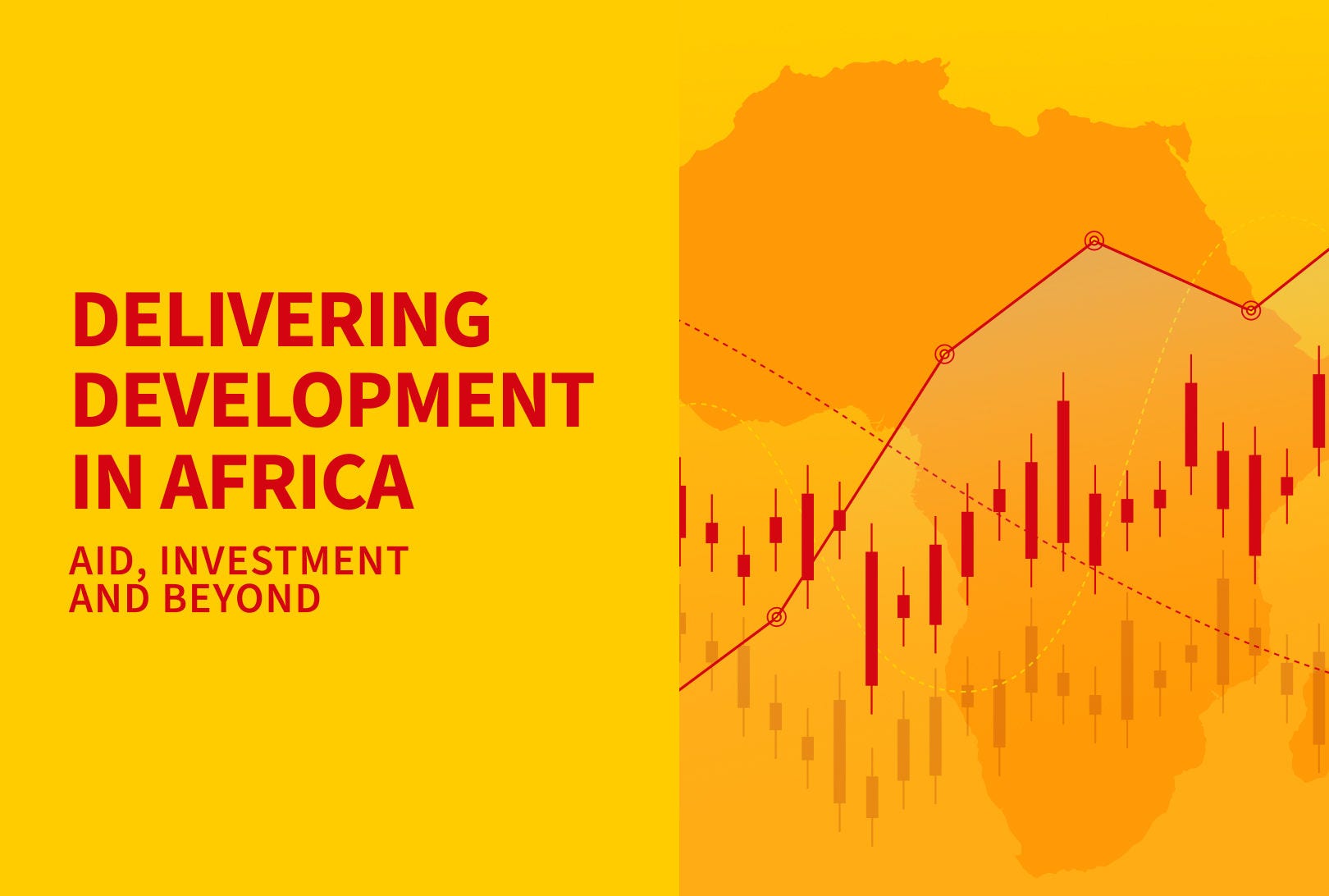
In our fourth and final report for 2025, we take a wider view. This time, we look at Africa as an integral member of the growing BRICS+ group, exploring everything from demographic trends and trade patterns to the movement of people and information sharing. By comparing this diverse alliance to other global players, the report affirms a widely felt truth: the world’s economic landscape is shifting beneath our feet. Africa isn’t just along for the ride—she’s a key driver of this change.
Africa at the Heart of Change
The socio-economic fabric of the world is in flux, and Africa’s position is one of strength. Our youthful population and rich natural resources set the stage for a major expansion in prosperity.
Since South Africa joined BRICS in 2011, the alliance has grown into BRICS+, now composed of 11 nations including Egypt and Ethiopia from Africa. This group represents nearly half of the global population and accounts for about 40% of global output (PPP), officially outpacing the G7 economies. Its clear mission: to empower the Global South and amplify the voice of developing nations on the world stage.
A New Path Emerges
This expanded bloc is crucial in offering an alternative amid rising protectionism and geopolitical tension.
It’s already backed up its ambitions with real infrastructure—most notably the New Development Bank (NDB), which has mobilised over US$30 billion for projects focused on infrastructure and green energy.
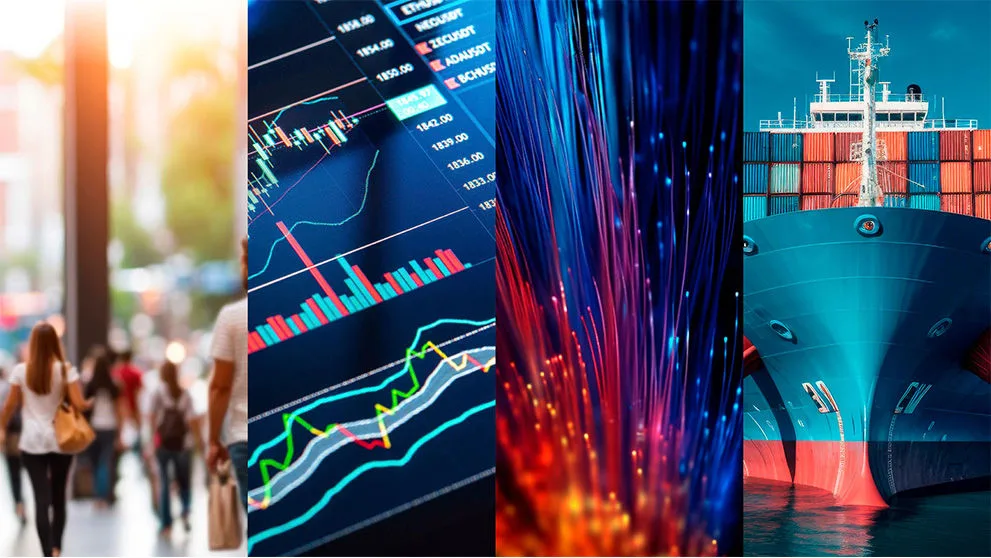
That said, the report spotlights an intriguing paradox using the TCIP framework (Trade, Capital, Information, People):
Trade within the bloc remains undercooked—only about 20% of exports circulate among members.
On the flip side, capital flows tell a very different story: Foreign Direct Investment (FDI) between BRICS+ members has jumped from 5.7% to nearly 29% recently, underscoring growing financial ties, even as trade integration is still finding its feet.
Unlocking the Future: Connectivity
The key to BRICS+ realizing its full potential lies in connectivity. Stronger integration—linking trade, capital, and people—is what will turn good intentions into lasting impact. For Kenya and the continent at large, this success story could fuel economic growth and development for decades to come.
For an in-depth dive into the data, future outlooks, and detailed TCIP analysis, explore the full report here.


 Share
Share
Similar Stories