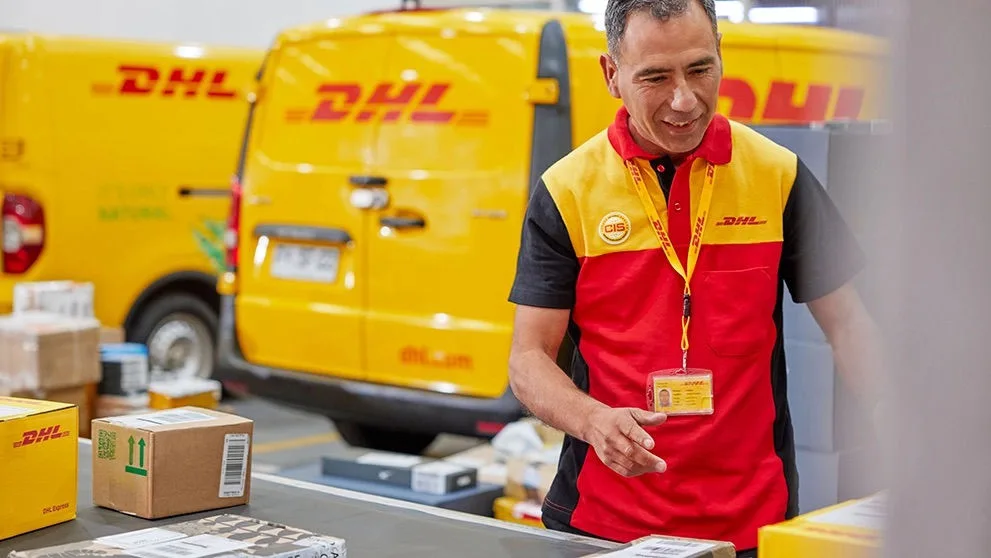
Winning new customers is always good news. The next challenge is making sure your operations can keep up with your business growth.
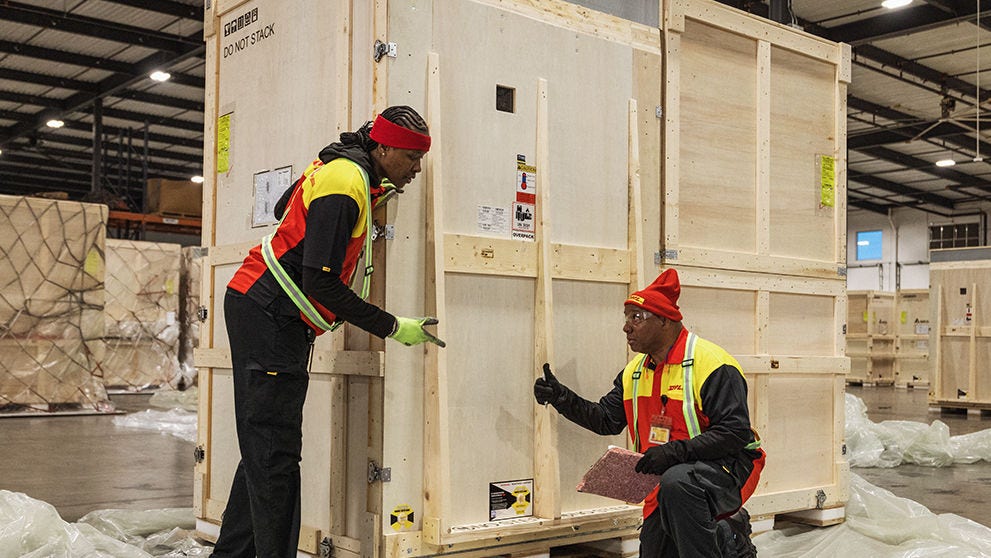
As your business expands into new markets, international freight shipping often becomes one of the most difficult areas to scale, particularly when transporting heavy machinery, industrial equipment, or palletized goods. As your business grows, so does the level of coordination required to keep everything running smoothly.
The good news is that growth doesn't have to make your operations more complex. With the right strategy, heavy weight logistics can remain efficient, predictable, and ready to support your next stage of expansion. In this article, we'll show you how.
Why Does Heavy Weight Logistics Become More Complex as Your Business Grows?
Growth creates new opportunities, but it also changes the way your supply chain operates. What starts as a few domestic shipments can quickly become regular deliveries across multiple countries, each with its own routes, logistics partners, and customs requirements.
That's when many of the biggest international freight shipping challenges begin to appear. It's not simply because you're shipping more goods, but because every new market adds another layer of coordination.
Fragmented processes
As businesses expand internationally, it's common for their logistics network to grow incrementally, one route at a time. One carrier for a specific lane, another provider for a new market, and so on. While this approach may work at first, it often becomes less efficient as operations grow.
Each provider uses different systems, processes, and communication methods. Before long, your team is checking multiple platforms, following up on shipment updates, and trying to piece together a complete view of where every shipment is located, and what happens next.

Multiple handovers
Heavy weight shipments rarely move directly from collection to their final destination. Machinery, production equipment, and other large consignments often pass through several facilities and handling teams before they arrive.
Every handover introduces another potential risk. Delays, miscommunication, or damage can occur at any stage. As shipment volumes grow, manually coordinating each step of the journey becomes increasingly difficult and time-consuming.
Inconsistent visibility
When different providers manage different stages of a shipment, visibility is often lost when responsibility is transferred from one company to another. It can also become more difficult to identify who is responsible for resolving an issue.
For businesses shipping high-value or time-critical goods, limited visibility creates uncertainty. If you don't know where a shipment is, or who is responsible for it—planning ahead and responding quickly to unexpected changes becomes much more challenging.
Freight Management Solutions for Growing Businesses
Many businesses assume that growth simply means adding more carriers. In reality, every new provider also brings another business relationship to manage, more invoices to review, and another tracking platform to monitor.
Over time, the real challenge is no longer moving the goods, but managing the entire logistics operation efficiently.
The Challenge of Coordinating Multiple Providers
Managing heavy weight shipments across several providers creates a significant administrative workload. Teams spend valuable time scheduling collections, tracking shipments, resolving issues, and coordinating communication across different companies.
For a growing business, that time could be better spent serving customers or expanding into new markets.
What Does Good Freight Management Look Like?
An effective freight management solution does more than move goods efficiently. It simplifies the entire shipping process.
That means working with a single logistics partner that manages the complete journey using consistent processes, a single commercial relationship, one tracking platform, and one point of contact whenever support is needed.
The result is a simpler operation, more predictable delivery times, and less time spent coordinating logistics behind the scenes, allowing your team to focus on core business priorities.
Specific Challenges of International Freight Shipping
Domestic shipping can be challenging on its own. Add international borders, customs procedures, and multiple transportation stages, and the process becomes even more complex.
Many of the biggest international freight shipping challenges don't happen while goods are in transit. They occur when shipments are held for inspection, during customs procedures, or when responsibility shifts from one provider to another.
Delivery Time Variability
The more stages a shipment goes through, the greater the chance that a delay will affect the entire journey.
A delay at an airport, a customs inspection, or a missed connection can disrupt everything that follows. When heavy machinery or production equipment is tied to installation schedules or manufacturing timelines, those delays quickly become business issues, rather than just logistics challenges.
Without predictable delivery times, planning production, scheduling staff, and meeting customer commitments becomes much more difficult.
Customs Compliance Across Multiple Markets
Managing customs requirements across several markets can become increasingly demanding, particularly for growing businesses without dedicated international trade expertise.
Every country has its own customs regulations, documentation requirements, and import procedures.
Commercial invoices, waybills, product descriptions, and, in some cases, licenses or permits must be completed accurately and submitted correctly before goods reach the border. Errors can result in unnecessary delays, additional costs, and a negative customer experience.
Unpredictable Shipping Costs
One provider may quote transportation costs, another may charge for handling, while a third manages customs clearance. By the time every fee has been added, understanding the true cost of a shipment can become increasingly difficult.
For businesses trying to budget accurately, this lack of cost visibility can make international expansion seem riskier than it actually is.

Moving Heavy Freight Across Borders Without Added Complexity
Expanding into new markets shouldn't mean creating a more complicated logistics operation. The right international freight shipping solution helps remove obstacles instead of adding them.
The Customs Challenge
Customs shouldn't become a barrier to growth.
Working with an international logistics provider that offers built-in customs expertise helps businesses prepare accurate documentation from the start, reducing the risk of delays at the border.
Instead of navigating each country's customs requirements independently, businesses can benefit from expert guidance, streamlined customs processes and more efficient clearance producedures that help keep heavy weight shipments moving.
Managing Multiple Markets
As your business grows, consistency becomes just as important as speed.
Managing different carriers, processes, and documentation requirements for every market can quickly become difficult to sustain.
Working with one international logistics network gives your business a consistent shipping process, one tracking system, and a single support team across multiple countries. That means less time spent coordinating logistics and more time focused on business growth.
Simplifying International Shipping
Working with one international logistics provider helps reduce much of the complexity associated with heavy weight shipping.
Instead of coordinating multiple companies, your business benefits from a single network, standardized processes, and customs expertise built into the service.
The result is fewer customs delays, more predictable delivery schedules, and less time spent managing compliance requirements.
Visibility and Control for High-Value Shipments
When you're shipping industrial machinery or production equipment, knowing that a shipment has left its point of origin isn't enough. You also need confidence that it's progressing as planned and immediate insight into any changes along the way.
The larger or more valuable the shipment, the greater the impact of any delay. That's why real-time visibility is essential for reducing risk.
Why Visibility Matters for Heavy Weight Shipments
A delayed parcel can be frustrating. A delayed shipment of manufacturing equipment can have far greater consequences.
It can postpone an installation, disrupt production, or leave a team waiting for equipment before work can begin.
As shipment value and business impact increase, knowing exactly where your freight is becomes even more important. Real-time visibility allows businesses to adjust plans proactively instead of reacting after delays have already affected operations.
Visibility Across One Integrated Network
When shipments move through a single logistics network, tracking remains consistent from collection through to final delivery.
Without multiple provider handovers, there are fewer opportunities for visibility gaps along the journey.
Instead of requesting updates from different companies, businesses have one clear view of every shipment. This makes it easier to keep customers informed, coordinate production or installation schedules, and respond quickly when plans change.
The result is greater control, better visibility, and fewer surprises as shipment volumes continue to grow and operations become more complex

How DHL Express Simplifies International Heavy Weight Shipping
As your business grows, managing logistics should become easier—not more complicated. That's exactly what DHL Heavy Weight Express is designed to do.
With this service, businesses can ship freight weighing between 50 kg and 3,000 kg internationally in as little as 1–3 days. By combining the speed of DHL Express with the capability to handle heavy weight shipments, businesses can keep critical operations running with greater confidence.
Key Benefits of DHL Heavy Weight Express
One Integrated Logistics Network
Heavy weight shipments move through DHL Express's global network, reaching more than 220 countries and territories.
By operating within a single network, businesses can reduce process fragmentation and minimize the risks that often come with managing multiple logistics providers.
More Predictable Deliveries
Time-definite delivery services help reduce delivery variability and improve planning.
This gives businesses greater confidence in meeting customer commitments and maintaining operational schedules.
Built-In Customs Expertise
Customs clearance is fully integrated into DHL Express's heavy weight shipping service.
This helps reduce paperwork, minimize border delays, and keep shipments moving efficiently across international markets.
End-to-End Visibility
Every DHL Heavy Weight Express shipment can be tracked in real time.
From collection through final delivery, businesses benefit from continuous visibility, including for high-value shipments and time-critical freight.
Ready to Simplify Your Heavy Weight Shipments?
Open a DHL Express Business Account or speak with your Account Manager to learn how DHL Heavy Weight Express can help simplify your international heavy weight shipping operations.


 Share
Share

Similar Stories