Shipping internationally? Then you’ll need to complete a waybill document. This guide outlines all the essential details to help you fill in a shipment waybill accurately – ensuring your goods arrive at their destination compliantly and on time.
What is a waybill?
When you send packages – especially across borders – think of the waybill as your shipment’s travel passport. It is a crucial shipping document that follows your goods from origin to destination and serves several important roles:
Receipt of the goods: It confirms that the carrier (e.g. DHL) has received what you sent, in the specified condition.
Contract of carriage: It records the agreement between you (the sender) and the carrier about how the goods will be transported.
Shipment tracking & documentation: It includes the details that help everyone – from you to customs officials – know exactly what’s in transit, who’s responsible, and where it’s headed.
For SMEs and e-commerce businesses expanding into new markets, a clear, correctly completed waybill is like a roadmap – helping prevent logistical disruptions, compliance issues, or confusion along the way.
The importance of a waybill in international shipping
When you’re moving goods across borders, the waybill becomes more than just a shipping label. Here’s why it is so essential for SMEs and e-commerce brands entering new markets:

1. It functions as a formal contract with your carrier
The waybill sets out the agreement between you and your logistics provider, stipulating the shipment’s destination, how it will be transported, and who holds liability at each step. It establishes clear parameters so there are no surprises once your shipment is in transit.

2. It functions as formal delivery confirmation
As soon as the shipment arrives at its destination, the signed waybill acts as formal confirmation that the merchandise was received in the agreed condition. For businesses handling high-value or fragile products, this documentation is absolutely critical for resolving disputes or filing insurance claims.

3. It defines who is responsible for shipping charges
The waybill includes billing instructions – whether the shipper, receiver, or a third party covers transportation costs. This helps avoid confusion and ensures carriers can invoice accurately.

4. It facilitates end-to-end shipment tracking
Every waybill features a unique ID number and barcode. This enables the real-time tracking your customers depend on – from departure scans to border clearances through to final delivery. It also provides your business with greater oversight across your cross-border operations.
5. It is indispensable for customs clearance
In international shipping, customs officials often refer to the waybill to verify the shipment’s details: the sender, the recipient, the contents, and the final destination. An accurately completed waybill helps prevent customs delays, fines, or returns – ensuring your goods clear borders faster
To sum up, the waybill is the backbone of efficient global shipping – ensuring your goods continue to move seamlessly and remain fully compliant.
Categories of waybills
Waybills come in various formats depending on how your shipments are handled– and understanding these distinctions helps you choose the right documentation for every cross-border order.
Traditionally, waybills were issued as physical paper documents, but today most logistics carriers (including DHL) offer digital versions that are faster, more accurate, and simpler to manage. Through MyDHL+, for example, businesses can create and submit electronic waybills and supporting documents in just a few clicks, helping minimize administrative documentation and accelerate customs procedure.
Air Waybill (AWB)
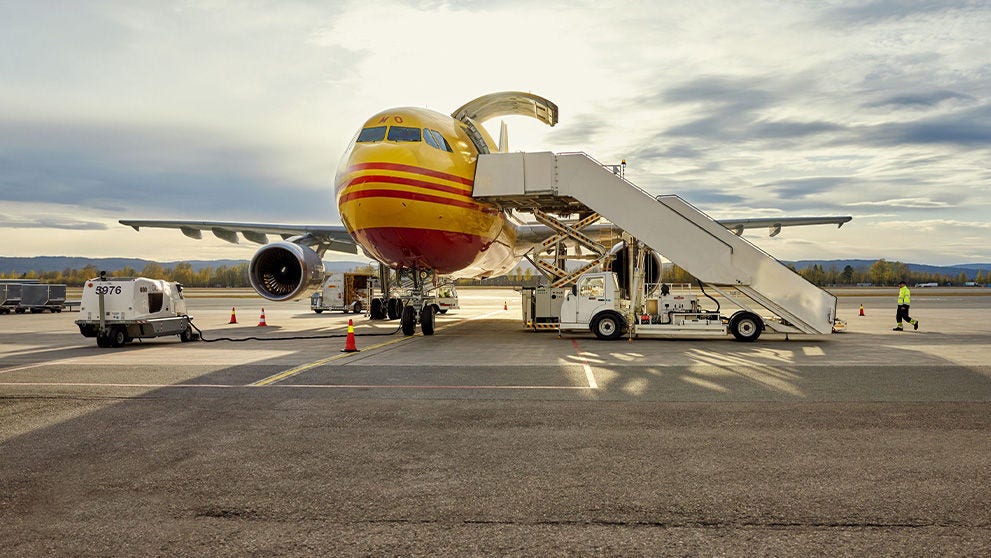
An Air Waybill is utilized for air freight shipments and functions as the formal agreement between the shipper and the airline. It outlines crucial details such as shipper/consignee information, flight routing, shipment descriptions, and charges. AWBs can be paper-based or digital – with the electronic option enabling faster processing, fewer errors, and greater visibility.
Sea Waybill
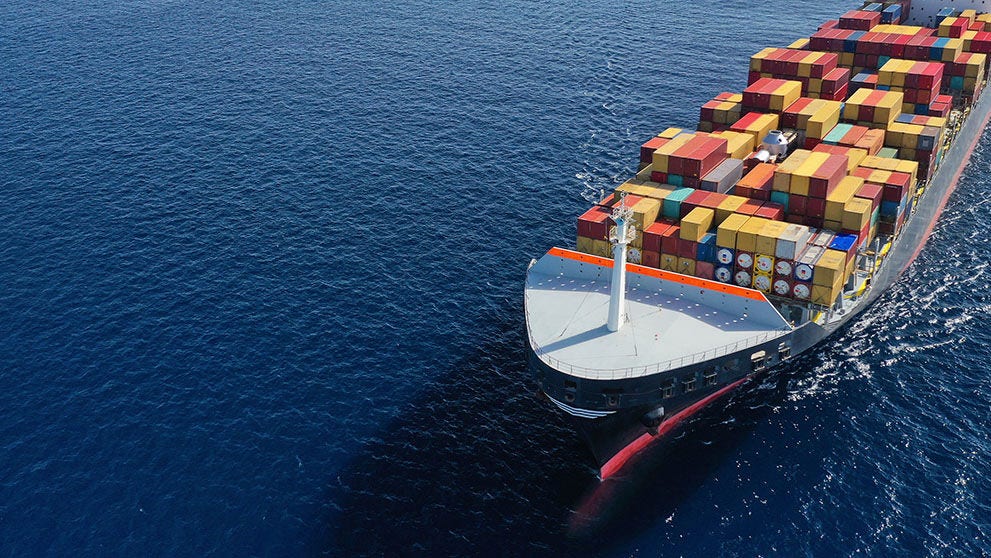
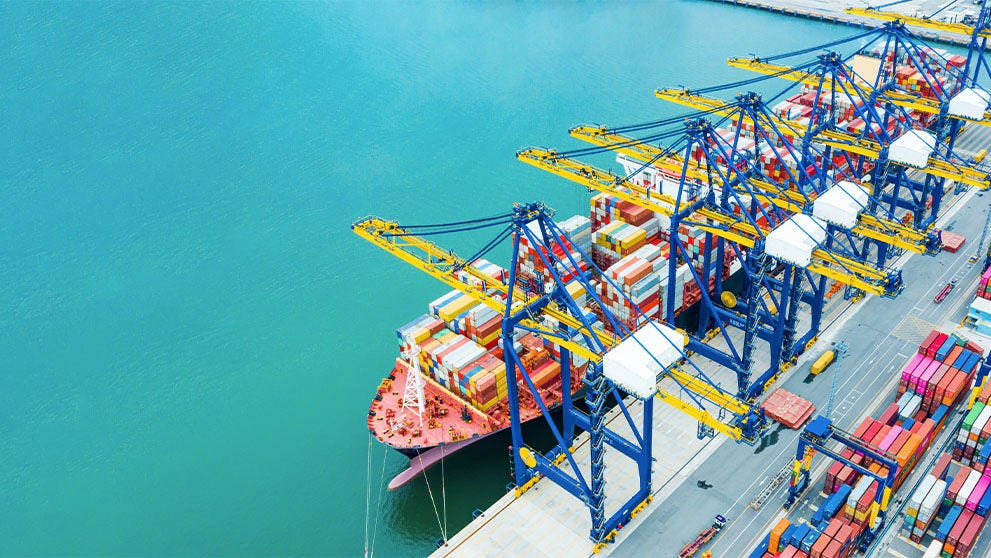
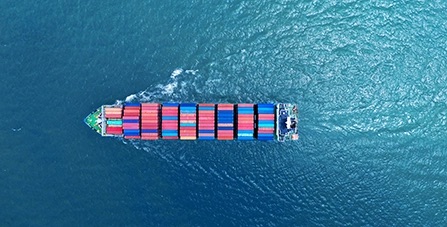
A Sea Waybill is utilized for ocean freight shipments and serves as a receipt for the goods and a contract of carriage, however unlike a Bill of Lading, it does not transfer ownership. This means the consignee does not need to produce a physical copy to receive the cargo, making it ideal for routine, trusted shipments where rapid processing and simplicity are essential.

Electronic Waybills
Electronic waybills (or e-waybills) move from traditional paper documents to a fully digital version. They optimize logistics workflows by reducing manual data entry, minimizing errors, and eliminating the risk of lost documentation. DHL’s digital waybill tools within MyDHL+ enable growing businesses to create compliant electronic documentation and share it instantly with carriers and customs authorities.

Bill of Lading
A Bill of Lading (B/L) is a highly structured, legally binding instrument utilized primarily for sea freight. It fulfills three distinct purposes: a receipt for the goods, a contract of carriage, and a document of title – meaning ownership of the cargo can be transferred while it’s in transit. Businesses typically require a B/L for higher-value or more complex shipments that demand proof of ownership upon delivery.
Waybill versus Bill of Lading
While both serve as critical transport documents, a waybill and a Bill of Lading (B/L) fulfill distinct roles in the global supply chain.
A waybill functions chiefly as a receipt and shipping contract between you and the carrier. It contains all fundamental operational details (shipper, consignee, contents, destination), supports tracking, and facilitates customs clearance. Importantly, a waybill does not act as a document of title, meaning the consignee can clear and collect the goods without presenting any original documentation. This renders it faster and more convenient for most e-commerce and SME shipments.
A Bill of Lading, on the other hand, provides expanded legal functionality. In addition to being a receipt and a contract of carriage, it serves as a negotiable document of title – meaning it enables the transfer of cargo ownership while the items are physically in transit. This is why Bills of Lading are more common in sea freight, particularly for higher-value, bulk, or internationally traded goods where proof of ownership is important.
For most cross-border parcels and e-commerce shipments, a waybill is all you need – and DHL’s digital tools make creating one quick and hassle-free.
Information needed on a waybill
A waybill details the vital information that logistics carriers and customs authorities need to move your shipment smoothly from origin to destination. While formats vary slightly by carrier, here’s the core information you’ll typically be asked to provide:
Shipper details – your name, company, address, and contact information.
Consignee details – the recipient’s name, address, and phone number.
Description of goods – a precise declaration of the cargo, including item names, materials, and purpose.
Quantity and weight – number of items, total weight, and sometimes dimensions.
Value of goods – for customs and insurance purposes.
HS (Harmonized System) codes – classification codes that help customs identify your products.
Reason for export – such as sale, return, gift, or sample.
Payment terms – indicating which party pays for transportation shipper (shipper, receiver, or third party).
Special instructions – any handling notes or delivery preferences.

Why precise waybill details matter
Submitting accurate and complete data on your waybill is critical to keep your shipments moving smoothly, particularly when managing cross-border logistics. Customs officials depend on these details to validate the contents of your shipments, and any discrepancies or missing information can lead to customs delays, rigorous screening, or even shipment returns. For SMEs and e-commerce businesses, such disruptions translate to dissatisfied buyers and unexpected operational expenses, so prioritizing documentation accuracy is a must.
Who is responsible for the waybill?
The shipper – meaning the sender – is ultimately accountable for creating and providing an accurate waybill. You must enter the consignment specifications, ensure all customs data is correct, and attach it to the goods (either physically or via electronic submission). The carrier then uses this waybill to track, transport, and deliver the goods. While the logistics provider executes the transportation operations, the final burden of proof for compliance remains with you to avoid costly international delays.
Additional documentation required for international shipments
Beyond the standard waybill, international shipments often require supplementary documentation depending on the destination country and the type of goods. The most common include:
Commercial invoice – which specifies the transaction value and detailed description of goods.
Packing list – outlines specific items, quantities, and packaging details.
Certificate of origin – documents exactly where the goods were manufactured.
Export licenses or permits – required for regulated or restricted products.
Best practices for completing your waybill
Completing a waybill correctly doesn’t have to be complicated. Here are a few practical tips:
Verify all contact details – accurate shipper and consignee information is essential.
Be precise with item descriptions – avoid vague terms; clearly declare the components and intended use.
Include proper HS codes – these help customs classify your products without errors.
Provide correct weights and dimensions – this ensures proper handling and accurate billing.
Review payment and delivery instructions – confirm the paying party and any special requirements.
DHL’s waybill generator
DHL simplifies documentation management through automated solutions in MyDHL+. You can generate, store, and submit waybills electronically, minimizing manual data entry and the risk of errors. The system also integrates with shipping labels, tracking, and customs forms, letting SMEs focus on growing their business instead of chasing paperwork. With these automated capabilities, cross-border shipping becomes faster and easier to manage.
To secure fast international shipping, open a DHL business account today.


 Share
Share

Similar Stories