




Shipping internationally? Properly preparing your shipment will streamline the customs clearance process and help ensure that your product reaches the customer in optimal condition.
Mastering the fundamentals of package preparation, generating accurate shipping labels, and organizing required export documents will help you prevent common errors, reduce border holds, and maintain a competitive edge.
Step 1: Pack your package
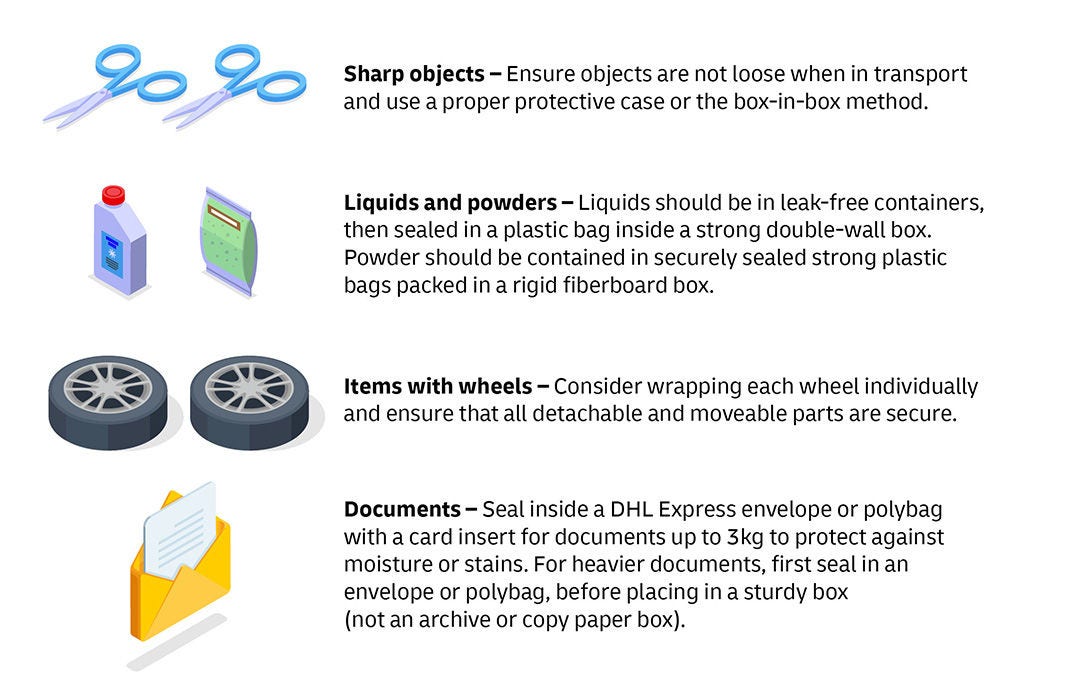
When packing for international shipping, your parcel travels within the DHL Express network, transiting through multiple facilities, vehicles and airplanes. A well-packed shipment can reduce the risks of damage, ensuring your consignee receives the contents in optimal condition.
While DHL Express takes every measure to handle packages with care, structural packaging compliance remains the responsibility of the sender.
Follow these four packaging steps to help ensure your international shipments reach their destination safely:
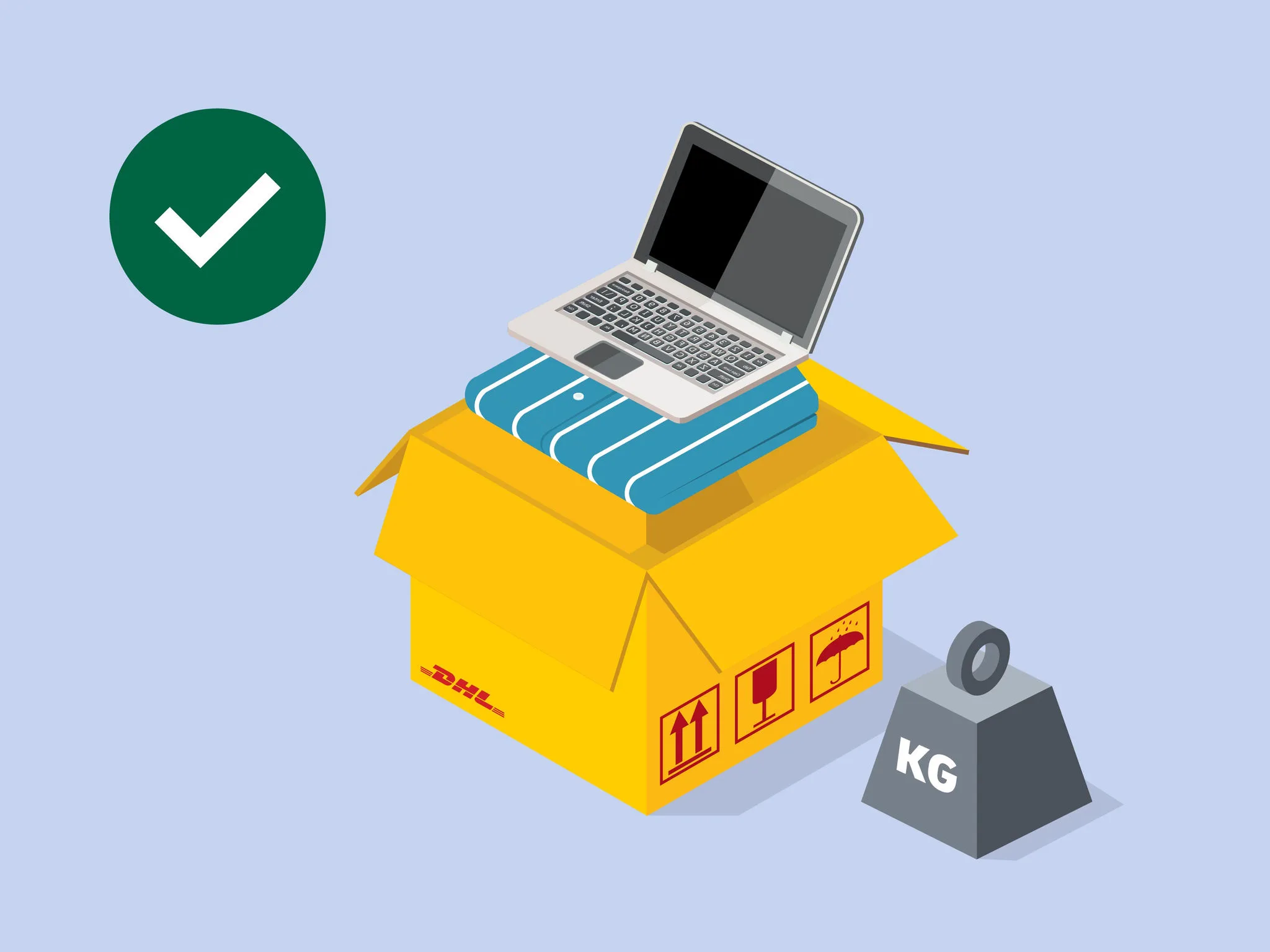
Assess the nature of your cargo.
Thoroughly evaluate the contents you are sending to determine the level of protection required during transit.
Select optimal packaging materials.
Choose a sturdy outer container and high-density interior cushioning to shield your goods.
Apply heavy-duty sealing.
Reinforce every box seam using strong, commercial-grade packing tape.
Affix DHL shipping labels.
Ensure you firmly attach a clear Air Waybill or prepaid shipping label provided by DHL onto a flat surface of the box.
Assess the nature of your cargo
Consider dangerous and restricted goods
Dangerous Goods and Restricted/Prohibited Commodities are items that require specialist handling due to safety or legal reasons. Items such as lithium batteries, perfumes, and certain electronics may have specific shipping requirements or restrictions. To check if your goods fall into this category, contact our Restricted Commodities team.
2. Select Outer and Inner Packaging Materials
After evaluating your cargo, you should choose the appropriate external and internal packaging supplies for fast international shipping.
High-grade packaging is importante for protecting your items throughout transit. DHL Express offers a full range of laboratory-tested packaging supplies. However, if you choose to uuse tilize your own containers, the following recommendations outline best practices for shipping packages abroad securely. Since this guide covers a broad spectrum of retail and commercial products, we also suggest consulting specialized packaging standards specific to your industry.
Choose a Rigid, Properly Sized Box
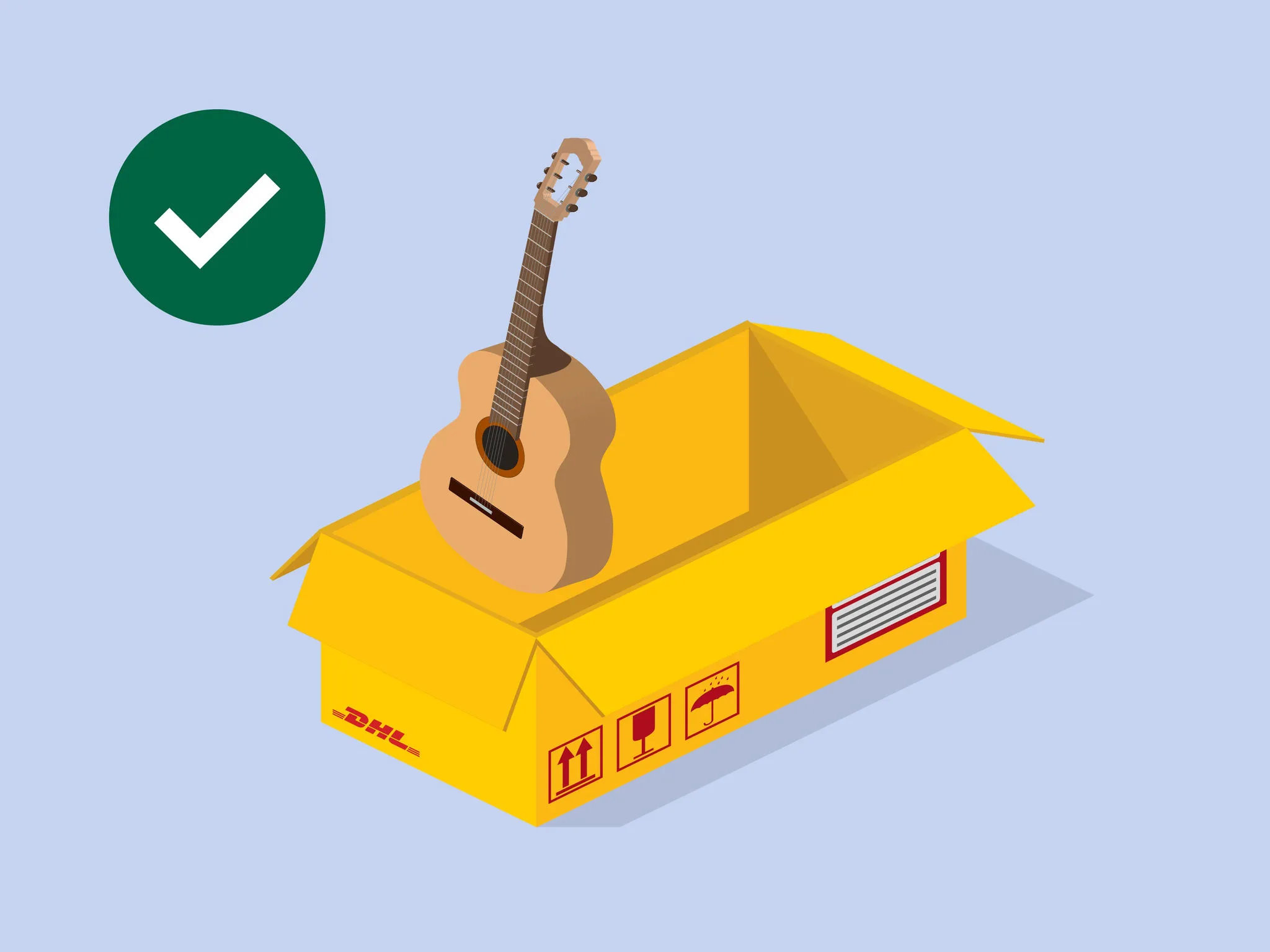
Select an unused box whenever possible, as previously used cartons lose structural integrity, and leave approximately 6 cm of clearance for cushioning material. Always utilize durable corrugated cardboard containers when dispatching a shipment through an express shipping service and opt for double-wall or triple-wall boxes when handling heavy or delicate merchandise.
Keep in mind that under-filled containers risk crushing during transit, whereas over-packed boxes can rupture. Prevent these issues by selecting a container sized appropriately for your payload.
You can also visit a local DHL Express shipping point across Mexico to obtain professional packaging options on-site. Look for the manufacturer’s certificate stamp on the box, which indicates its burst strength and whether it provides sufficient support for the total weight of your international parcel shipment.
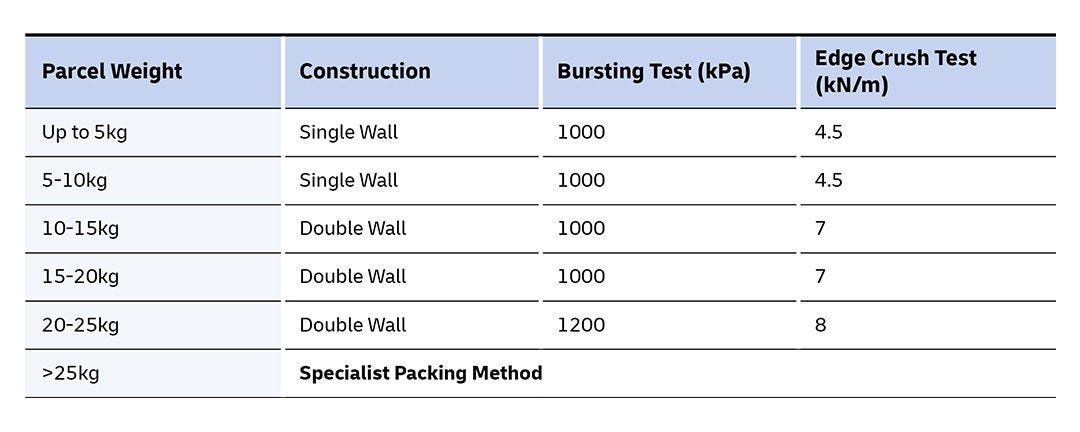
Select a container or polybag engineered specifically for your parcel weight
Box specifications
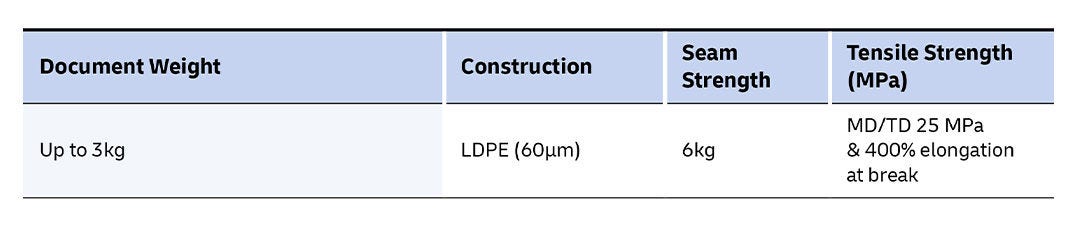
Technical Specifications for DHL Express Polybag Packaging
To prevent ruptures or tears during fast international shipping, the material elasticity (stretch) and seam adhesive strength of official DHL Express polybags must comply with the recommended standards detailed below.
DHL Express polybags feature a minimum elongation threshold of 35 cm before structural failure and are designed to support 30% more weight at the sealed seams.
Key Technical Standards for International Shipping Containers
Burst-Test (also known as Mullen Test) is the force of pounds per square inch required to rupture or burst the side of a corrugated box. The result indicates the box's ability to withstand external or internal forces, and how the box can protect its contents during rough handling.
Edge-Crush-Test (ECT) measures the stacking strength of corrugated cardboard boxes or fiberboard. A finished box's compression-strength is determined by the amount of force required to crush the cardboard by standing it on its edge.
Seam Strength refers to the load required to break a seam.
Tensile Strength is the maximum stress that a material can withstand while being stretched or pulled before failing or breaking.
Objects with rigid edges are not suitable for polybags, as they can pierce the plastic.
Fundamental Packaging Methods: Interior Protection
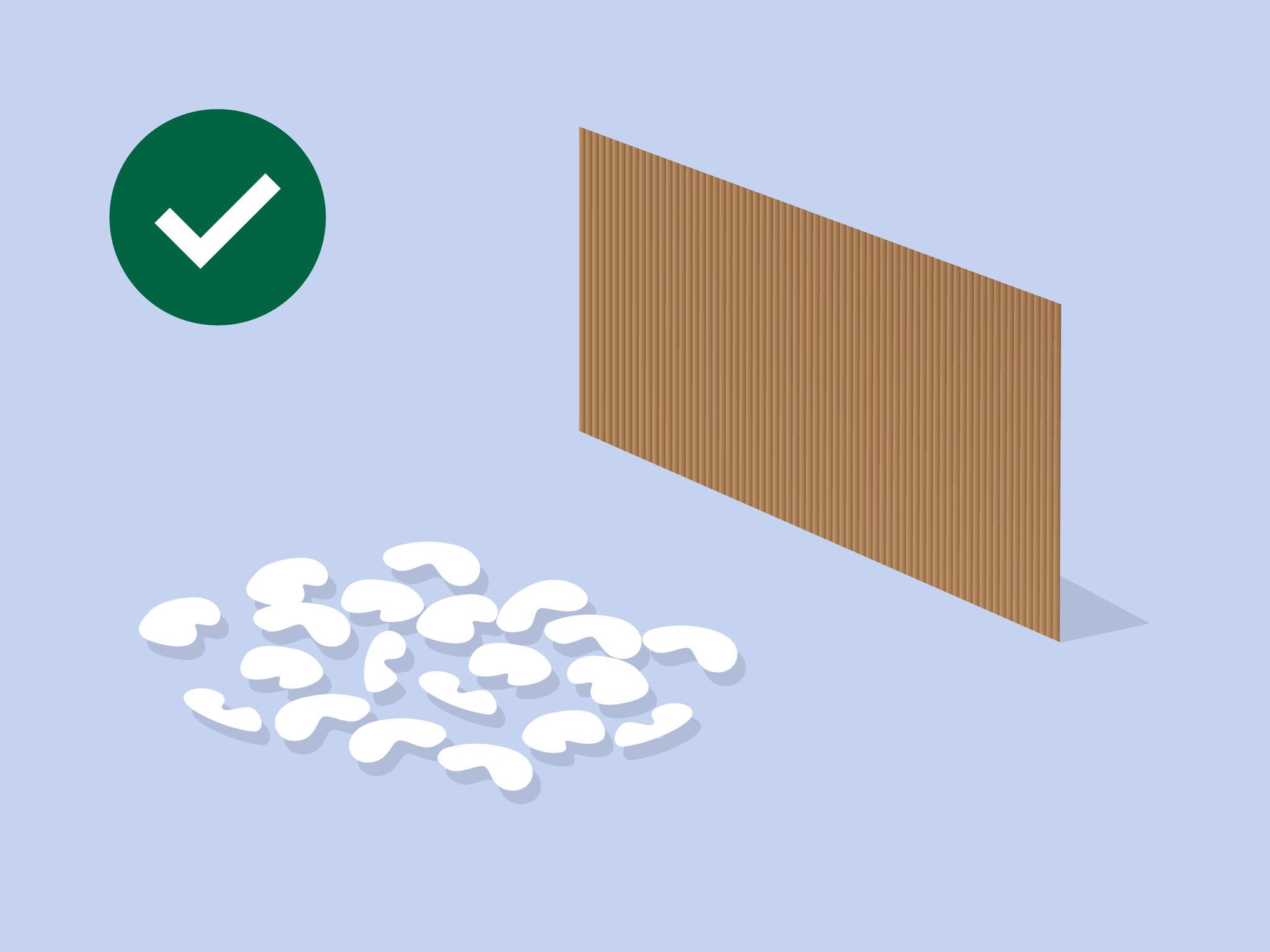
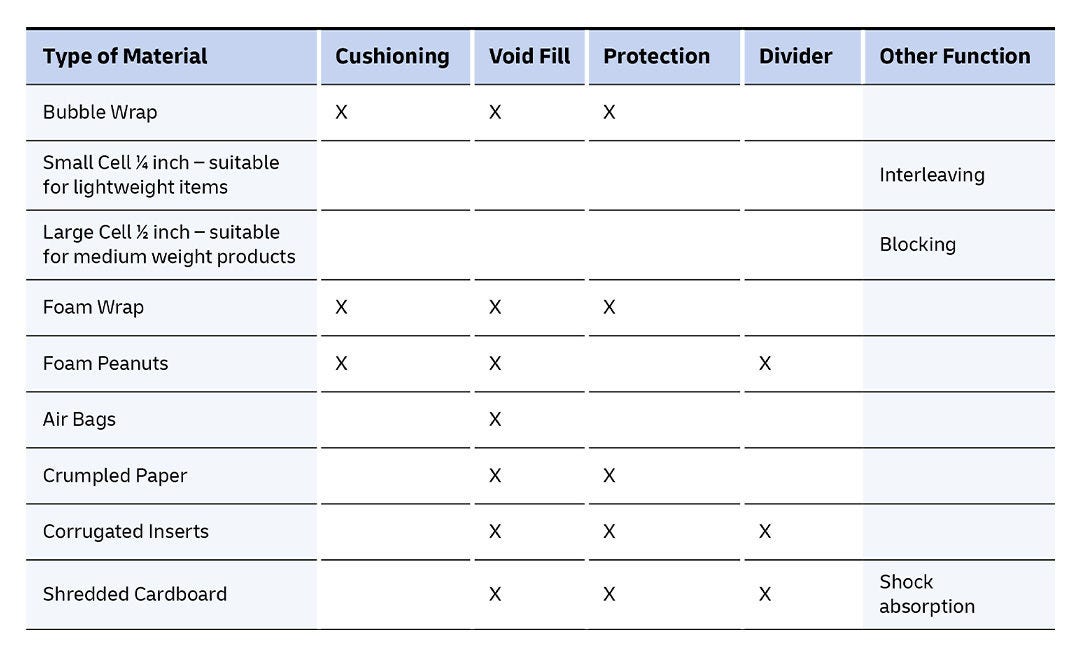
When preparing packages for international shipping, begin by cushioning the base of the carton with protective materials. Bubble wrap, air pillows, cardboard, and packing peanuts are among the most common options. Because each material offers different levels of protection, selecting the right option is crucial for international shipping for small businesses.
Review the reference guide below to select the ideal internal packaging for your cargo:
Eliminating Internal Movement and Filling Gaps
Place the contents intended for shipment on a protective base layer inside the box. Ensure your items are centered with at least 6 cm of clearance from any outer walls and corners.
If dispatching multiple items within a single box, wrap each item individually and keep them separated.
Fill any remaining void spaces with dunnage or protective cushioning until no gaps remain. This helps prevent products from shifting inside the box during international transit .
The Box-in-Box Packing Technique
The box-in-box approach relies on a second outer container to provide additional protection. It is useful when shipping abroad safely, especially when handling fragile items or goods intended for direct commercial resale.
This process requires preparing both an outer and inner box.
We recommend using the original manufacturer's packaging for the inner box whenever feasible. Alternatively, pack the inner box following the basic cushioning method outlined above.
The outer box must measure at least 14 cm larger in all dimensions than the inner box to ensure adequate overpack protection.
While a double-wall box is recommended, a single-wall option can be used if it offers appropriate strength for the weight of the merchandise.
Spread approximately 6 cm of cushioning material across the base of the outer box before centering the inner box inside. Prevent any movement of the inner box by filling surrounding gaps on every side before sealing the outer box for secure transit.
Sustainable Packaging Options for International Shipping
Switching to eco-friendly packaging can support your brand image—and modern consumers certainly vvalue it! Prioritize using biodegradable and recyclable materials for all your cross-border shipments.
3. Sealing Your Package Correctly
Fully seal all the edges and seams of the box. Proper sealing is essential to safeguard your package throughout fast international shipping. It is recommended to reinforce the outer edges, as they are most vulnerable to compression during transit.
Both the type of adhesive tape you choose and your application technique impacts how well your items are protected against exposure or damage while using an express shipping service.
We recommend the following pressure-sensitive tapes for their strength and durability:
Polypropylene packing tape (brown plastic tape)
Vinyl adhesive tape (electrical tape)
Fiber-reinforced paper tape (duct tape)
If you do not hold a DHL business account, please leave your package unsealed until our courier inspects the items upon arrival for your DHL home pickup service.
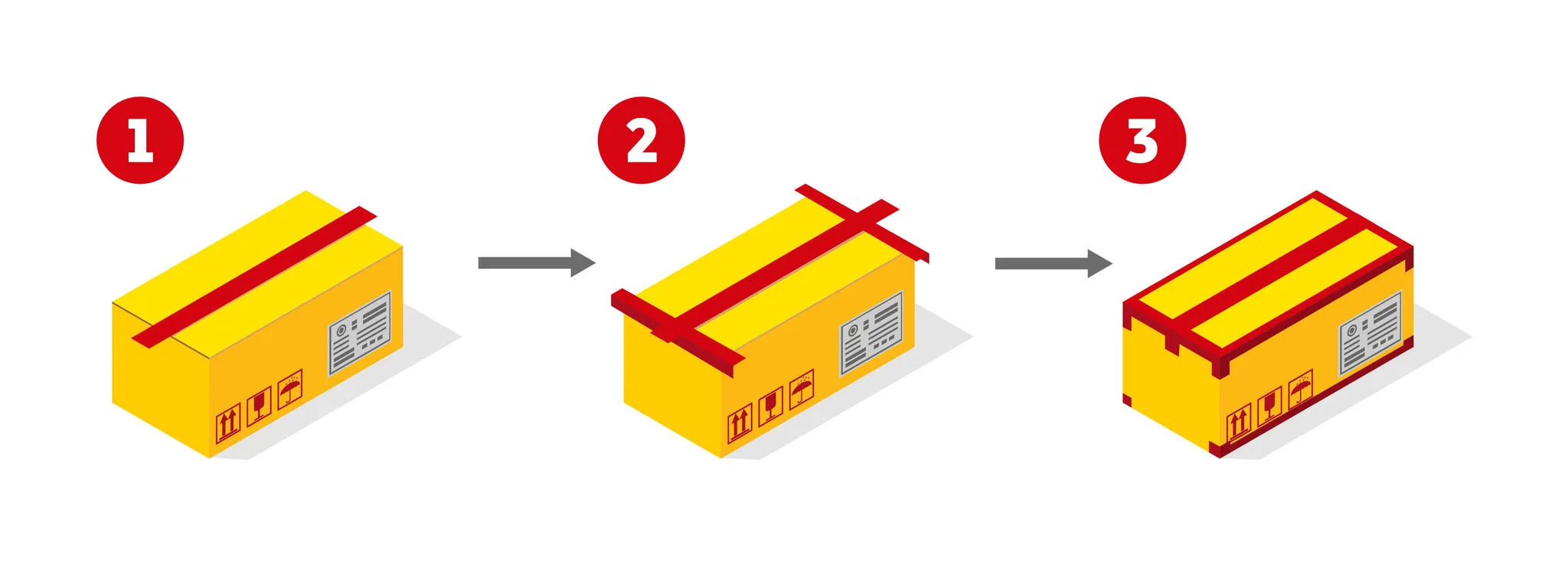
The Standard H-Taping Technique for Secure Packaging
To safeguard your package during fast international shipping, ensure every open seam is firmly sealed using the standard 'H-tape' method.
Place a single continuous strip of heavy-duty tape along the center seam.
Next, attach two strips of tape perpendicularly across both outer edge seams. Add reinforcement for heavier packages or cargo shipped from Mexico to the United States.
Repeat this H-taping process on both the top and bottom flaps of the container until all exterior joins are completely sealed.
4. Affixing Official DHL Shipping Labels
Learning how to ship packages abroad requires knowing proper label placement. Here are four guidelines to follow when applying your DHL shipping labels:
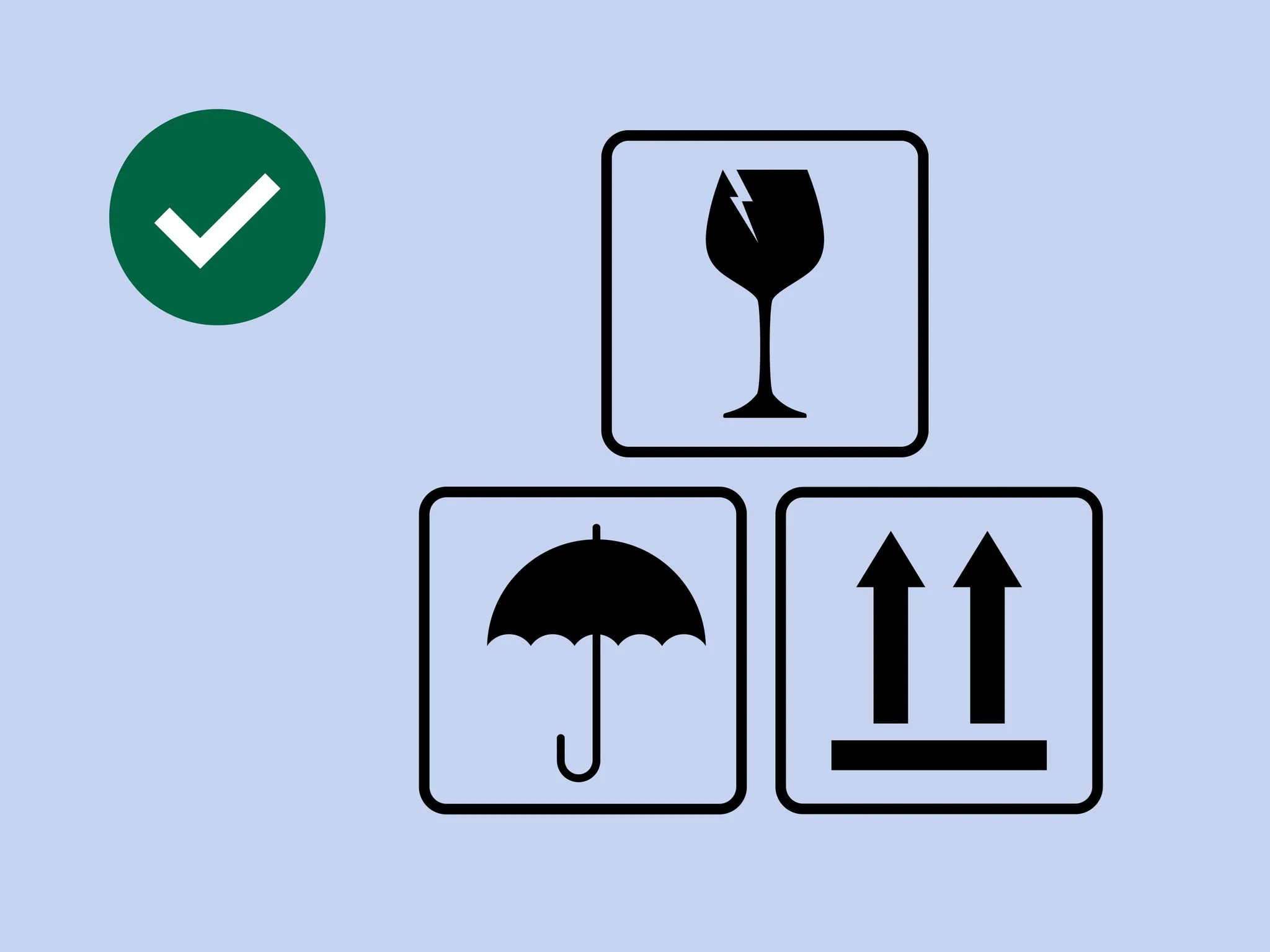
Applying Special Handling Labels
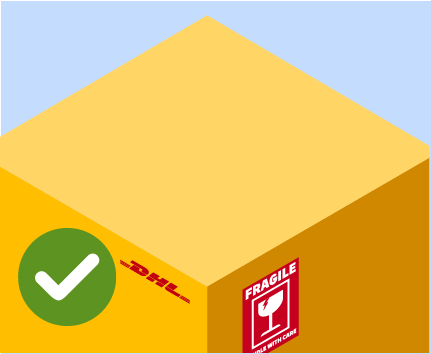
Before scheduling a DHL home pickup service, the sender must affixshould attach any required special handling stickers directly onto the outer box prior to courier arrival. Frequently used labels for fast international shipping include:
Applying DHL Shipping Labels Properly
Displaying your DHL shipping labels visibly and correctly is important to helping ensureyour package moves efficiently across the DHL Express global logistics network.
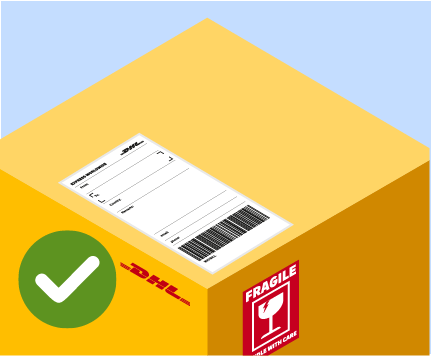
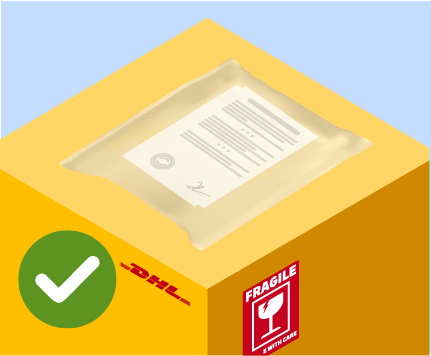
Securely attach the shipping label to the top flat surface of your box. This simple step helps our personnel keep your package oriented upright throughout fast international shipping and handling!
Make sure the primary label is completely visible on a single flat panel, without overlapping any folded seams.
Never allow secondary stickers, adhesive tapes, or exterior paperwork to obscure the barcoded shipping label.
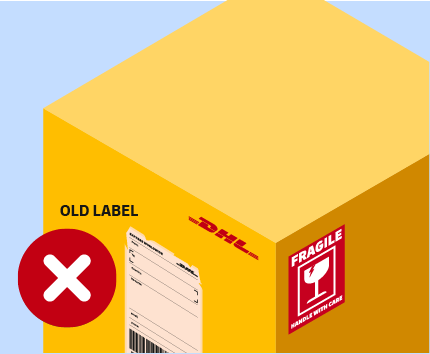
While using brand-new cartons is recommended, if you reuse a container, ensure all old shipping labels and previous barcodes are completely peeled off before dispatching.
Place a duplicate copy of your label inside the box, which allows us to identify your parcel if the main exterior label gets torn or detached during shipping abroad.
If your shipment requires secondary handling stickers, avoid placing them on the same side as the main shipping label.
Use a self-adhesive, clear plastic pouch to hold export paperwork or commercial invoices attached to the outside of the box.
Step 2: Prepare Essential Export Documentation
Completing the DHL Express Air Waybill (AWB)
A key phase of international shipments from Mexico is customs clearance. For seamless border processing, you should accurately generate a DHL Express Air Waybill (AWB)—one of the most critical documents for exporting from Mexico. This official transport document acts as your shipping agreement, containing essential details such as shipper and consignee contact information, cargo descriptions, declared values, and duty/tax payment designations.
Important Guidelines for Completing Your Air Waybill:
Duties and Taxes: Unless you select the Duties & Taxes Paid (DTP) option, these charges fall on the recipient. If left unspecified, Duties & Taxes Unpaid (DTU) serves as the default billing setting.
Weight Verification: The physical weight and cubic dimensions provided will be verified. Any variance between declared and measured specifications may trigger rate adjustments.
Shipper Details: The sender section should display your full name or legal business identity, phone number, email address, and complete physical address including the local postal code.
Recipient Details: The destination addressshould list the recipient individual or business name, a direct point of contact, active phone number, email, and full destination address with postal code.
Customs Alignment: The declarations on your AWB are submitted directly to customs authorities and must match the commercial shipping invoice .
AWB Validity: Air Waybills feature a specific expiration timeframe and become void after the designated validity window.
Tax Identification: Providing a valid Tax ID (RFC in Mexico or EIN/VAT abroad) is mandatory for commercial exports and commercial shipment sales.
Every DHL Express Air Waybill includes a unique 10-digit DHL tracking number. This tracking code serves as your primary reference to track your DHL package in real time or contact customer support regarding your shipment.
Handling Multi-Piece International Shipments
When sending multi-box orders under a single Air Waybill, attach the original master AWB document to the main container and affix duplicate labels to remaining boxes. Clearly mark each piece with its sequence and total quantity (e.g., “1 of 3”, “2 of 3” and “3 of 3”).
With your Air Waybill generated, you are ready for the next important step in cross-border commerce.
Prepare Your Commercial Shipping Invoice
Commercial invoices are required for commodity and parcel shipments, whereas international document shipping requires only an AWB.
The commercial invoice provides destination customs authorities with detailed itemized records regarding your shipment, including declared commercial value, unit counts, country of origin, and export rationale. This enables officials to compute accurate import duties, verify compliance, and expedite customs clearance.
To avoid unexpected border holds, confirm your invoice is complete and accurate. Itemize every product with a specific description, exact item counts, individual value, currency, and export reason (e.g., commercial sale, warranty repair, gift, or sample). All invoice parameters should align with the physical contents of your package and the Air Waybill entry.
Step 3: Schedule Courier Collection or Drop-Off
The final step before handing your package over to DHL Express is arranging collection. To request a DHL home pickup service or office pickup, gather the following details before submitting the online form:
DHL business account number (if applicable)
Pickup location contact person
Full pickup location address
Specific package location (e.g., reception, warehouse bay)
Total quantity of pieces
Gross weight of the shipment
Contact phone number and email address
Preferred pickup date and timeframe
Alternatively, you can drop off your package at any official DHL shipping point or Service Point across Mexico. As soon as your package enters our network, you can benefit from full visibility with real-time package tracking in every step of the way.
How to Prepare Your Package for Fast International Shipping: Summary
Select outer packaging that is tailored to the size, weight, and nature of the items you are shipping abroad, and pack your shipment securely in a properly sized box or polybag. Ensure you cushion and protect your items with the right protective materials and then seal your box at all exterior seams using the standard H-tape method.
After assembly, organize your documentation. Check that you have completed your Air Waybill (and commercial shipping invoice, if necessary) with all the precise details required for customs. Affix your DHL shipping labels to an unobstructed area on the top of the box to ensure your international shipment is handled correctly.
Finally, contact DHL Express by phone or online to schedule a DHL home pickup service. Alternatively, you can drop off your package at local DHL shipping points or your nearest Service Point.
For further information, download the official DHL Essential Packing Guide for Express Shipments.


 Share
Share

Similar Stories