




#LogisticsAdvice


 Share
Share
International Shipping from the UAE: A Complete Parcel Packing Guide
5 min read
Share

Overview
Whether you're sending a personal package abroad or fulfilling international customer orders, preparing your shipment correctly is one of the most important steps for successful international delivery. Proper packaging, accurate documentation, and correct labeling help reduce the risk of delays, simplify customs clearance, and ensure your parcel reaches its destination safely.
With the UAE serving as a global trade and logistics hub, businesses and individuals ship thousands of parcels overseas every day. Whether you're shipping from Dubai, Abu Dhabi, Sharjah, or anywhere else in the UAE, following international shipping best practices can save time, protect your goods, and create a better delivery experience for your customers.
This guide explains everything you need to know before shipping internationally with DHL Express UAE from selecting the right packaging materials to preparing customs documentation and arranging collection.
What You'll Learn
- How to prepare your shipment for international shipping with DHL Express UAE
- Best practices for packaging, labeling, and customs documentation
- Practical tips to help your international shipment move through customs efficiently
Step 1: Pack Your Shipment Securely
Every international shipment travels through multiple checkpoints before reaching its final destination. Along the way, parcels move through sorting facilities, vehicles, and aircraft within the DHL Express global network. Proper packaging plays a vital role in protecting your shipment throughout this journey.
Although DHL Express UAE carefully handles every shipment, selecting suitable packaging remains the sender's responsibility. A well-packed parcel helps reduce the possibility of damage while allowing your goods to arrive in excellent condition.
Before preparing your shipment, focus on these four essential packing principles.
Know Your Shipment Before You Pack
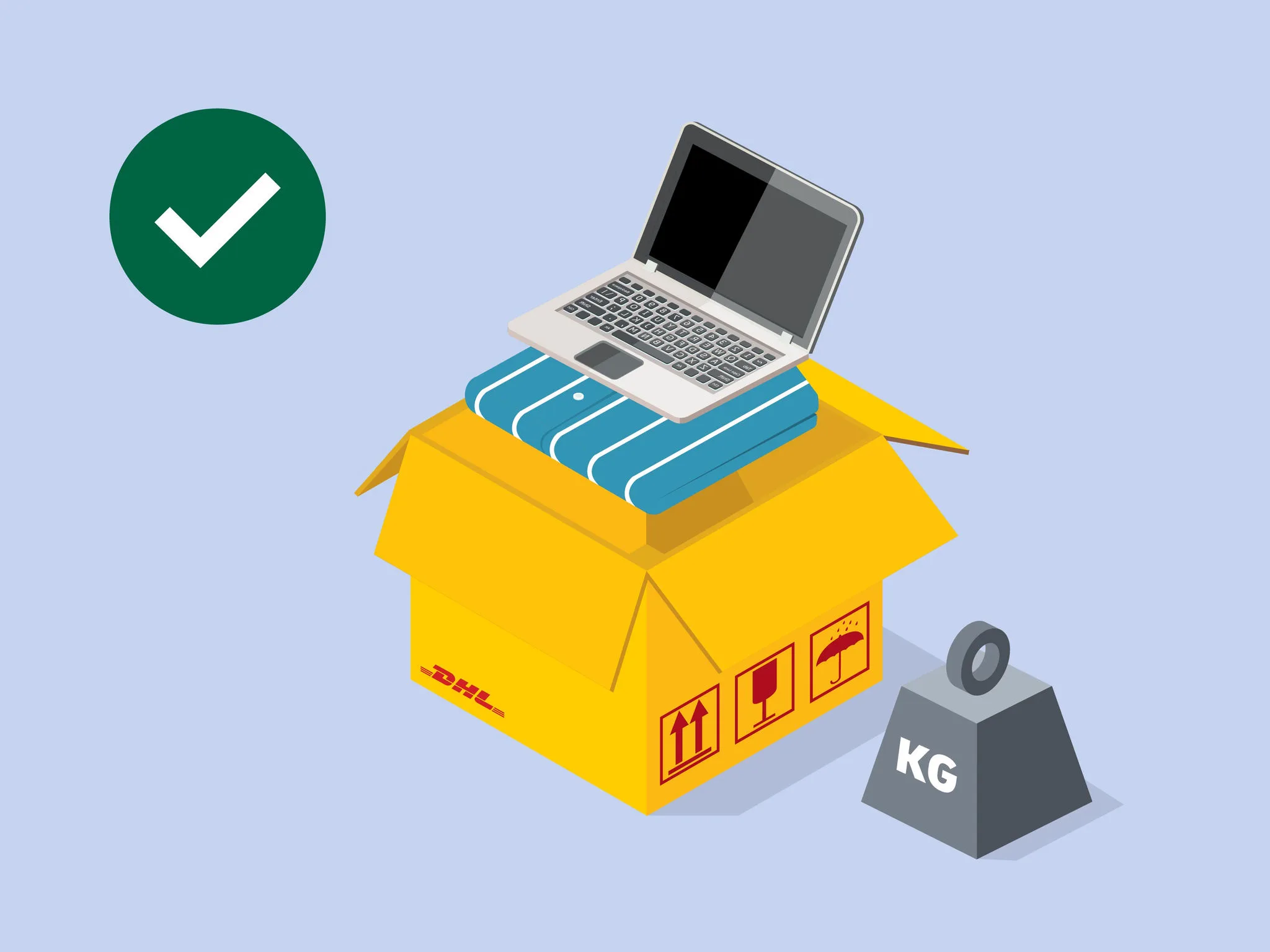
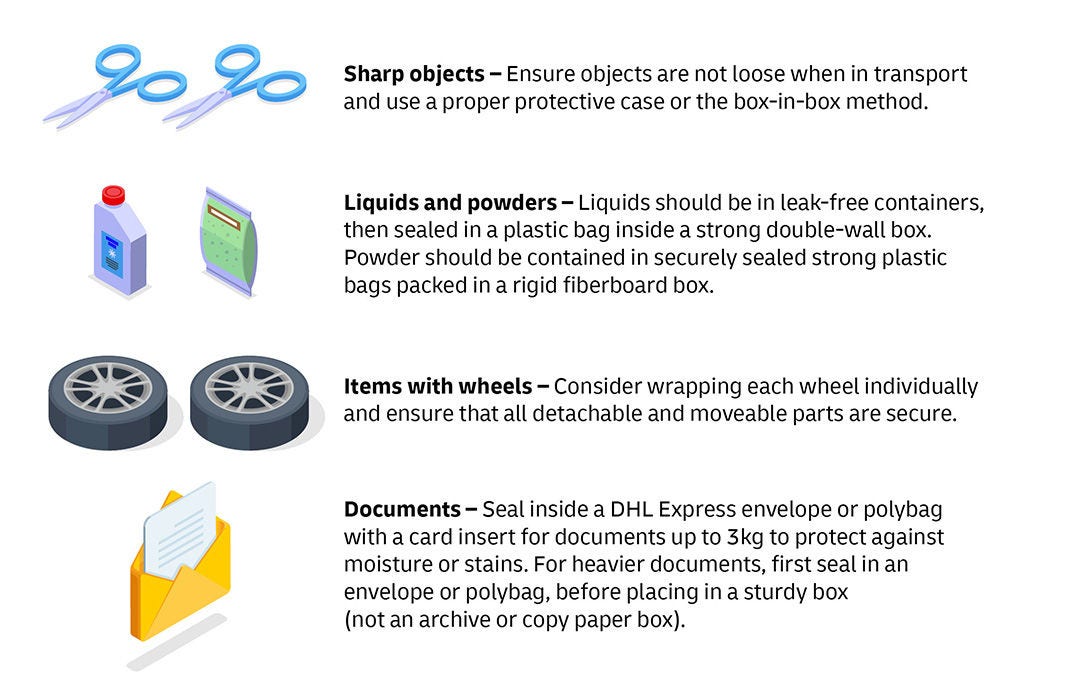
Understanding what you're shipping is the first step towards selecting suitable packaging. Consider the size, weight, shape, and fragility of your items before choosing your box and protective materials.
Choose the Right Packaging Materials
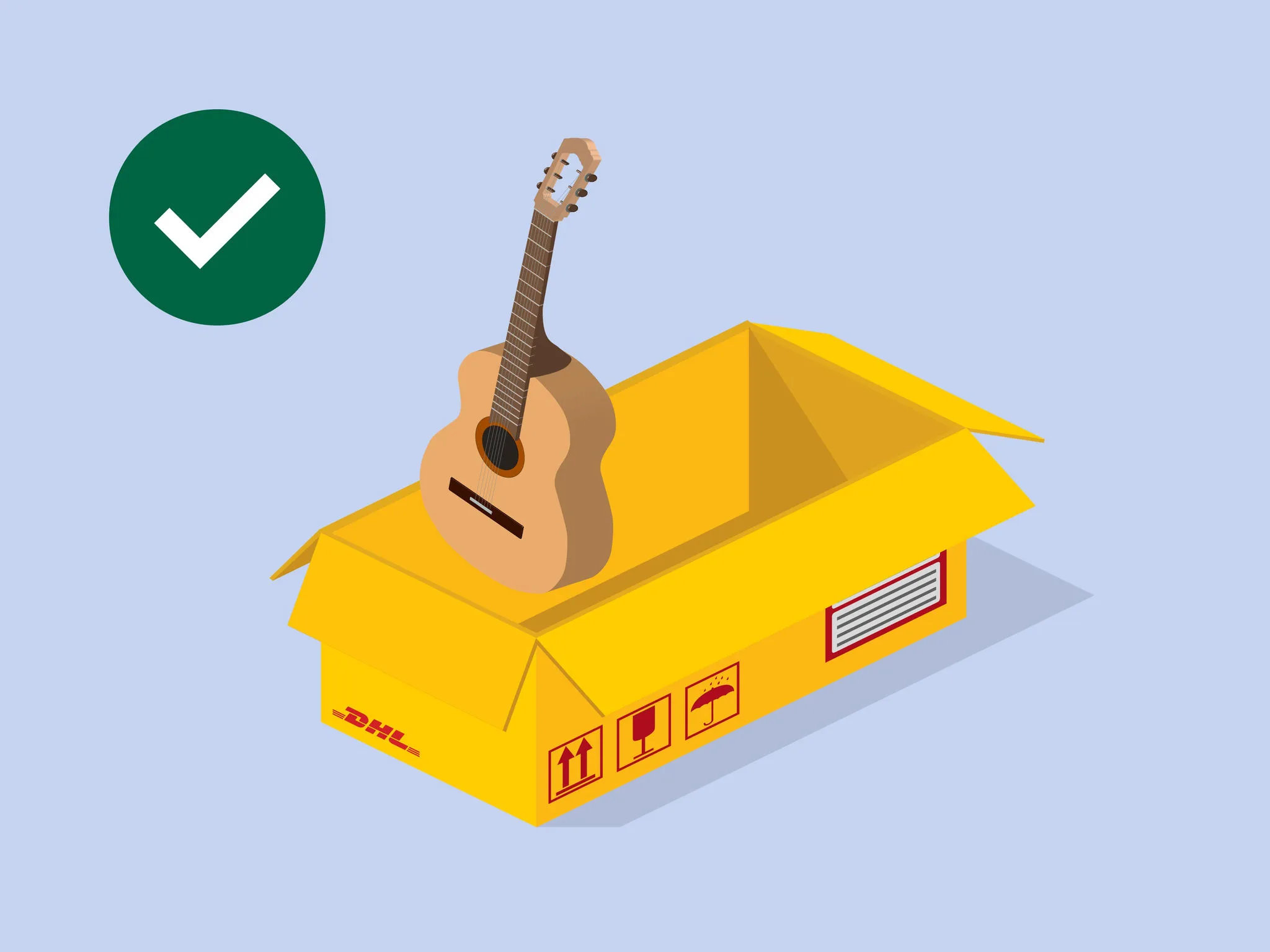
Selecting high-quality packaging materials helps protect your shipment from movement, compression, and impact during international transportation.
Seal Your Parcel Properly
Strong sealing helps keep your package secure throughout its journey. Always use durable packing tape and reinforce all seams.
Label Your Shipment Clearly
Attach your DHL Express Air Waybill securely on the top surface of your shipment where it can be easily scanned throughout the delivery process.
1. Assess what you are shipping
Check Whether Your Goods Are Restricted
Certain products require specialist handling or may be subject to shipping restrictions because of safety or regulatory requirements.
Items such as lithium batteries, perfumes, aerosols, chemicals, power banks, and certain electronic devices may require additional documentation or special shipping procedures.
Before arranging your international shipment from the UAE, check whether your goods fall under Dangerous Goods or Restricted Commodities requirements. Doing so helps avoid customs delays and ensures compliance with destination-country regulations.
2. Choose the Right Packaging Materials
After evaluating your shipment, the next step is selecting suitable external and internal packaging.
High-quality packaging is one of the most effective ways to protect shipments during international transport. DHL Express UAE offers a range of packaging solutions that have been tested for strength and durability. If you prefer using your own packaging materials, choosing quality supplies and following recognised packing standards will help protect your shipment throughout transit.
Select the Best Shipping Box
Whenever possible, use a new corrugated cardboard box. Previously used boxes may have weakened over time and might no longer provide sufficient protection for international shipping.
Choose a box that provides around 6 cm of clearance around your shipment to allow enough space for protective cushioning.
For heavier shipments or fragile items, double-wall or triple-wall corrugated boxes offer greater strength and durability than standard single-wall boxes.
Selecting the correct box size is equally important. Boxes with too much empty space may collapse under pressure, while overfilled boxes can split during handling.
If you're unsure which packaging solution best suits your shipment, visit your nearest DHL Express Service Point in the UAE, where our specialists can help you select appropriate packaging materials.
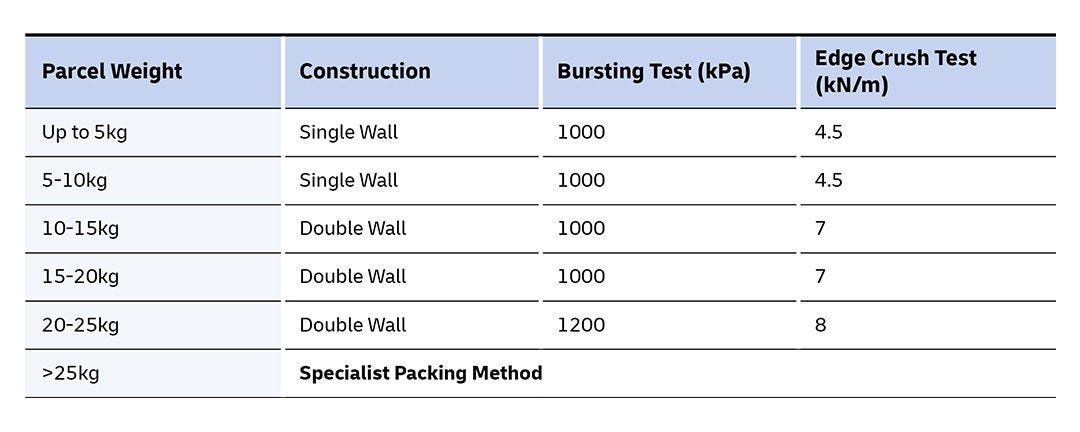
Box specifications
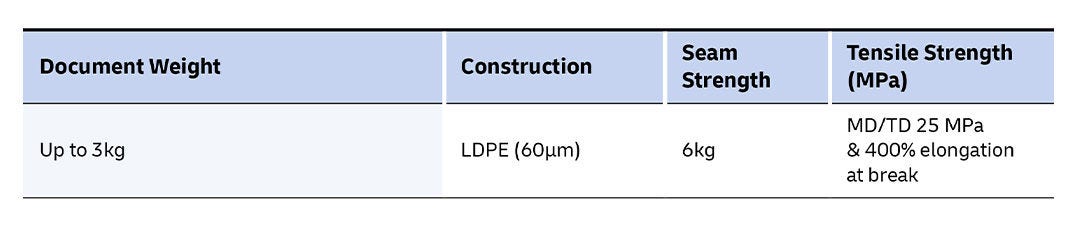
DHL Express polybag specifications
To avoid splits or tears, the tensile (stretch) and seam (seal glue) strength of the DHL Express polybag should meet the recommended standards outlined below.
DHL Express polybags have a minimum elongation (stretch) of 35cm prior to failure and can hold 30% more weight at the seam.
Remarks:
Burst-Test (aka Mullen Test) is the force of pounds per square inch required to rupture or burst the side of a corrugated box. The result indicates the box's ability to withstand external or internal forces, and how the box will contain its contents during rough handling.
Edge-Crush-Test (ECT) measures the stacking strength of corrugated cardboard boxes or fiberboard. Determining a finished box's compression-strength is defined by the amount of force that is needed to crush the cardboard by standing it on its edge.
Seam Strength refers to the load required to break a seam.
Tensile Strength is the maximum stress that a material can withstand while being stretched or pulled before failing or breaking.
Objects with a rigid edge are not suitable for polybags, as they can pierce the plastic.
Basic packing method: internal packaging
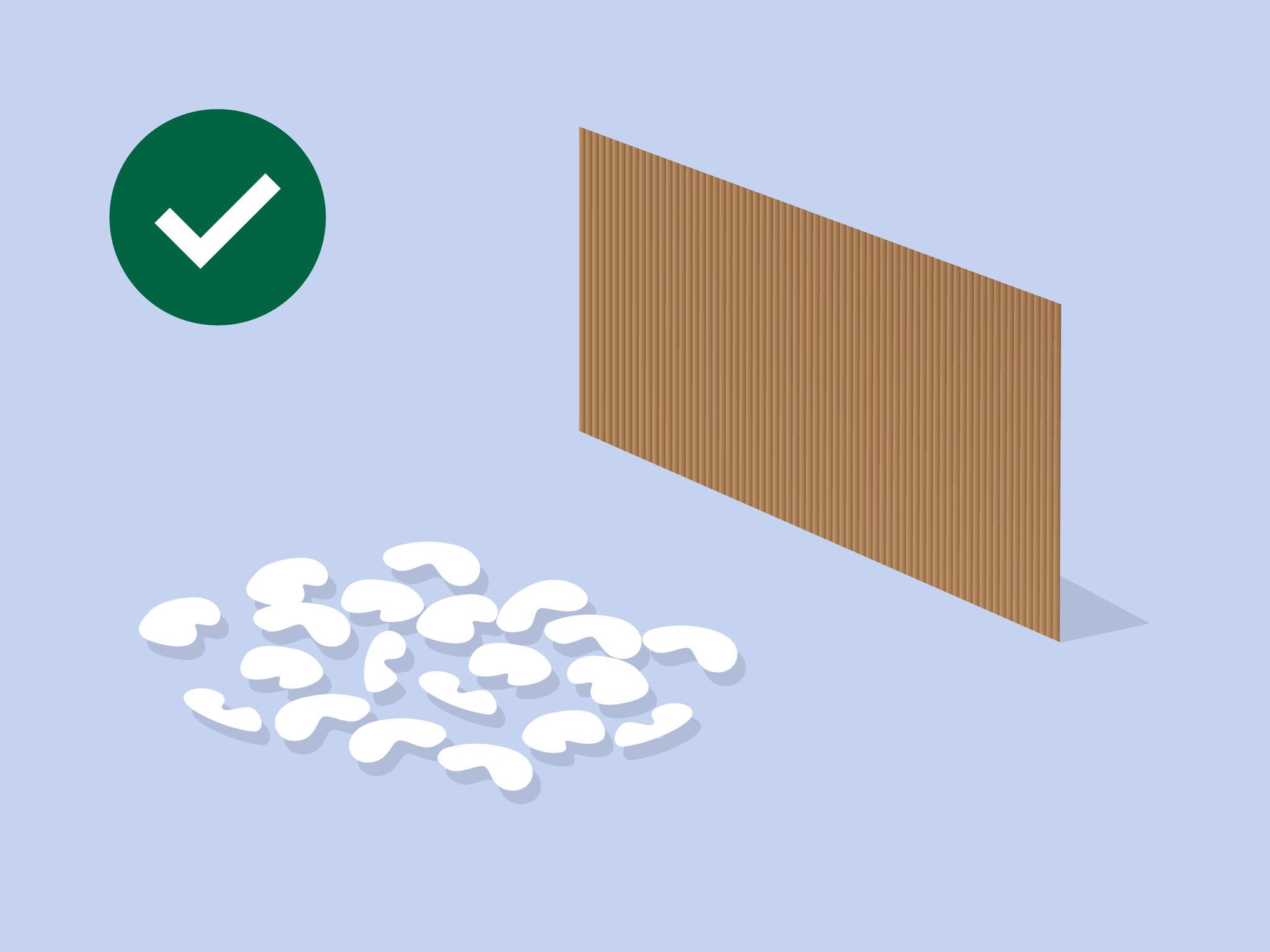
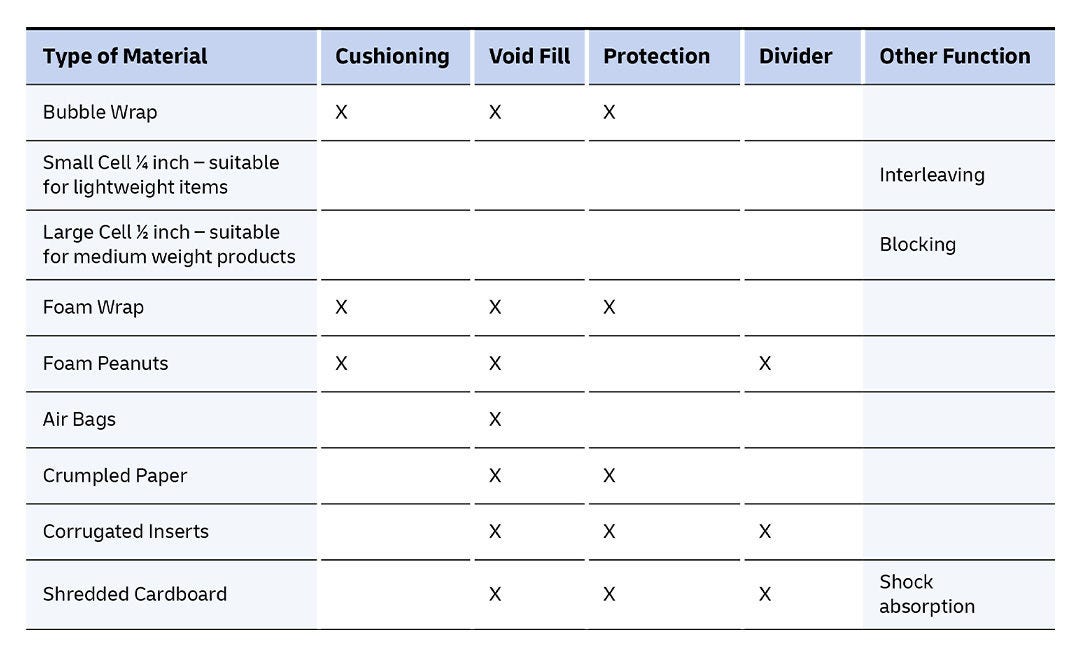
Layer the bottom of the box with protective inner packaging material. Bubble wrap, airbags, cardboard and foam peanuts/pellets are the most common. All have different qualities and it is important to use them appropriately.
Here’s a table to help:
Fill the gaps
Place the contents to be shipped on the bed of protection within the box. Ensure your items are placed centrally in the box with at least 6cm of space from any of the external walls and corners.
If shipping multiple items within a single box, ensure each one is wrapped individually and well separated from the others.
Fill any void space with more protective materials until there is no empty space. This will prevent items from moving inside the box during transport.
Box-in-box packing method
The box-in-box method utilizes a second outer box to offer additional protection. It is useful for the transportation of more fragile items or where the inner box will be used for retail purposes.
Both an outer and inner box will need to be prepared.
We recommend using the original manufacturer's packaging as the inner box where possible. Alternatively, the inner box should be packed using the basic packing method outlined above.
The outer box should be at least 14cm larger in all dimensions than the inner box to provide sufficient overpack protection.
We recommend a double wall box, but if using single wall, ensure your box has suitable strength for the weight of its contents.
Place approximately 6cm of void fill in the base of the outer box before centrally placing the inner box inside. Restrict any movement of the inner box by filling the space on all sides before sealing the outer box ready for transportation.
Sustainable packaging
Consider using eco-friendly packaging – your customers will notice! Prioritize biodegradable and recyclable materials.
3. Sealing
Tape up all the edges and seams of the box. A good seal helps to protect your package during transit. It is advisable to reinforce the edges as they are most susceptible to compression during transportation.
Both the adhesive tapes you choose and how you seal the shipment makes a difference in protecting your shipment contents from being exposed or damaged during transit.
We recommend the following pressure-sensitive tapes for their strength and durability:
- Polypropylene tape (brown plastic tape)
- Vinyl adhesive tape (electrical tape)
- Fiber-reinforced paper tape (duct tape)
If you are a non-account holder, please do not seal your shipment until the courier has inspected its contents on collection.
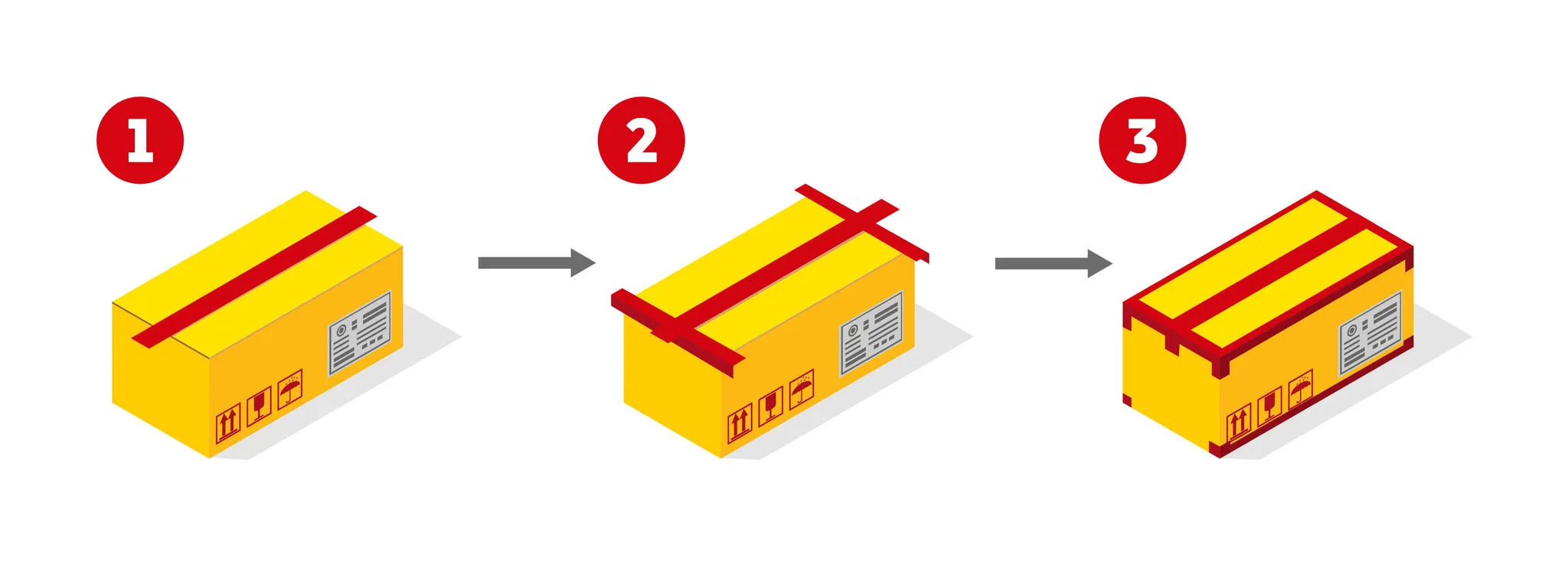
H-tape method
Ensure all seams are sealed using the 'H-tape' method.
- Apply one strip of tape along the center seam
- Apply two strips of tape across both edge seams. Apply more strips of tapes for heavier shipments
- Repeat the H-taping so that both box’s top and bottom seams are sealed
4. Labeling
Want to know how to label a package for international shipping? Here are four key points to remember:
Handling Labels
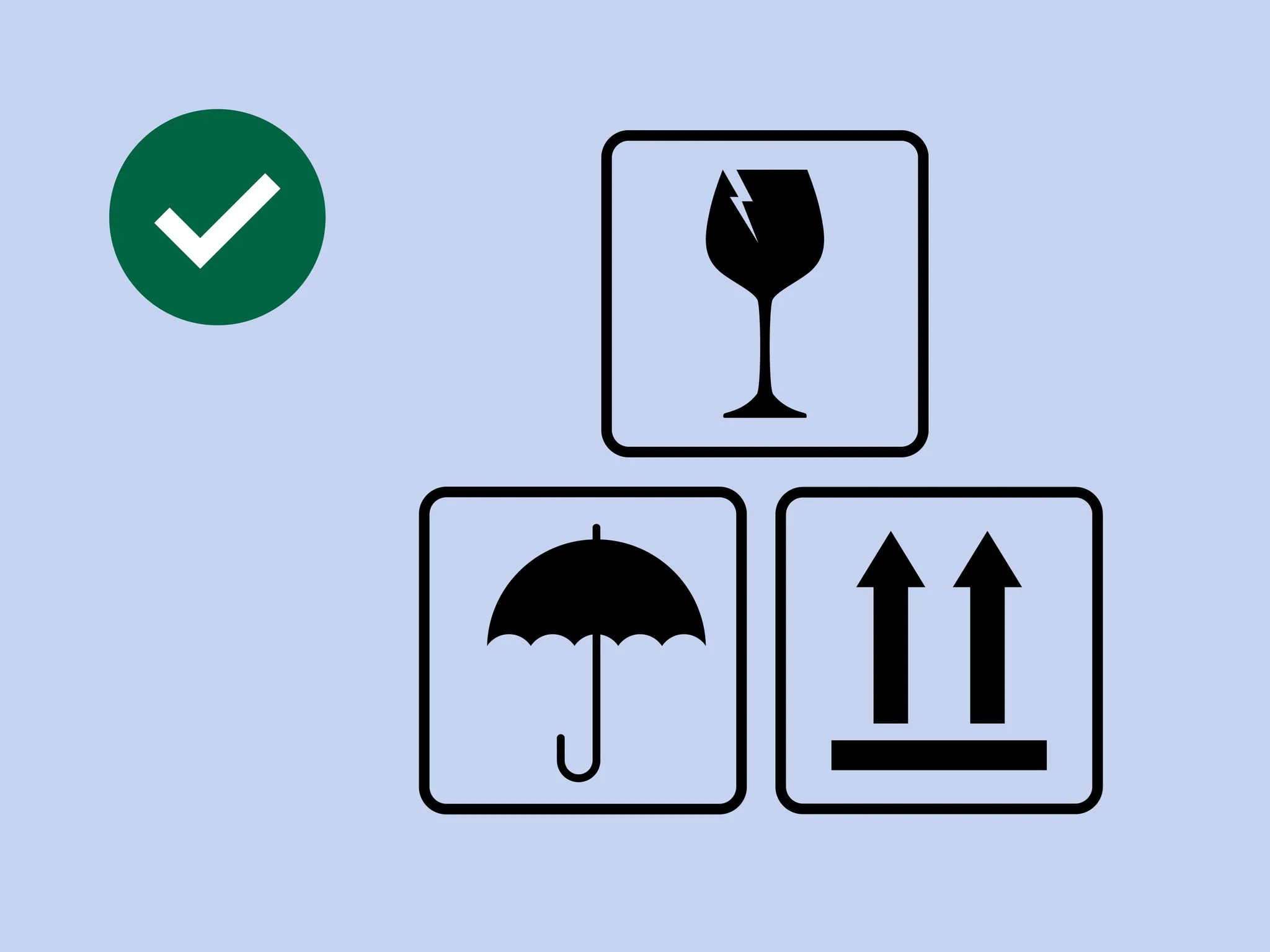
Any special handling label must be applied by the shipper prior to courier collection. Common labels include:
Applying the shipment label
Displaying the shipment label(s) clearly is important to ensure your shipment moves swiftly through DHL Express' network.
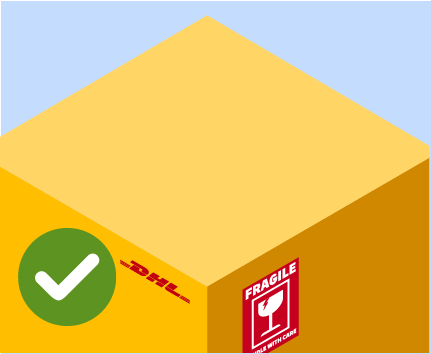
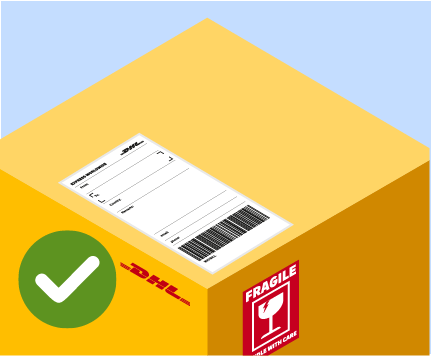
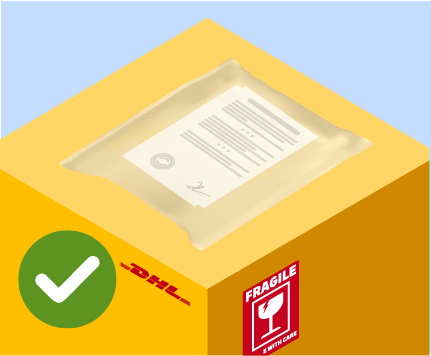
Fix the shipment label securely to the top surface of the shipment box. This will help us keep your shipment in an upright position as much as possible during transit!
Ensure the label is wholly visible on one surface and that the label does not cover any seams.
Do not let other labels, tapes or paperwork cover the shipment label.
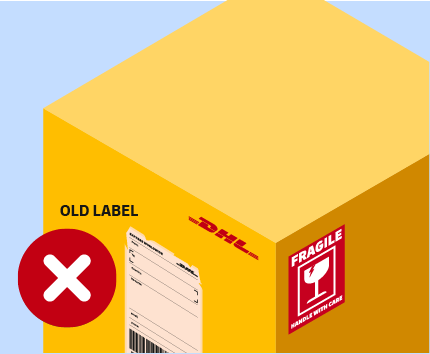
We never recommend using an old box but if you do, ensure all outdated shipment labels are removed prior to use.
Place a spare label inside the package to help us identify your shipment in the event the original label becomes detached or damaged.
If you need to apply other labels to your shipment, avoid placing them on the same side as the shipment label.
Use a plastic self-adhesive clear window pouch to hold any loose documents that are required to be placed outside of the box.
Step 2: Complete Your Shipping Documentation
DHL Express Air Waybill (AWB)
Accurate shipping documentation is essential for smooth international shipping from the UAE. One of the most important documents you'll need is the DHL Express an Air Waybill (AWB), which accompanies every shipment and plays a key role in customs clearance.
The Air Waybill contains essential shipment information, including the sender's and recipient's details, a description of the goods, shipment value, and who will be responsible for paying any applicable duties and taxes. Completing your AWB correctly helps customs authorities process your shipment efficiently and minimises the risk of delays.
Whether you're shipping personal items, e-commerce orders, or commercial goods from Dubai, Abu Dhabi, or anywhere else in the UAE, ensuring your Air Waybill is accurate is one of the most important steps before your parcel enters the DHL Express network.
Tips for Completing Your Air Waybill Correctly
- To help your international shipment move through customs as efficiently as possible, keep the following best practices in mind:
- Unless you've selected the Duties & Taxes Paid (DTP) service, any applicable duties and taxes will normally be charged to the receiver. If no payment option is selected, Duties & Taxes Unpaid (DTU) will apply by default.
- The declared weight and dimensions of your shipment may be verified during processing. If differences are identified, additional shipping charges may apply.
- Enter the sender's information exactly as it appears for you or your business, including your full name or company name, telephone number, email address, and complete mailing address with the relevant postal code.
- Ensure the recipient's information is complete and accurate, including the company or individual's name, contact person, telephone number, email address, and full delivery address.
- The shipment description on your Air Waybill should match both the contents of your parcel and the information provided on your commercial invoice. Accurate details help support faster customs clearance.
- Air Waybills have a validity period, so always use the latest version when preparing a new shipment.
- Depending on the destination country and the type of goods being exported, you may also need to provide the sender's or receiver's Tax Identification Number (Tax ID).
Understanding Your AWB Number
Every DHL Express Air Waybill includes a unique 10-digit Air Waybill (AWB) number.
This number serves as the primary reference for your shipment throughout its journey. It allows you to track your parcel, monitor delivery progress, and quickly identify your shipment whenever you contact DHL Express UAE Customer Service.
Keeping your AWB number readily available makes it easier to manage your shipment from collection through to final delivery.
Prepare your shipping invoice
Invoices are only required for parcel shipments – they do not apply for shipping documents.
A shipping invoice provides customs authorities with important information about the goods being transported, including their value, quantity, country of origin, and purpose of shipment. It helps customs officials assess duties and taxes, verify compliance with import regulations, and process the shipment efficiently.
To help avoid delays, make sure your invoice is complete and accurate. Include a clear description of each item, the quantity, value, currency, and the reason for export (for example, sale, gift, sample, or repair). The information on your invoice should match the contents of your shipment and the details provided on the Air Waybill.
Step 3: Book Your DHL Express Collection
Once your parcel is securely packed and your shipping documents are complete, the final step is arranging your shipment with DHL Express UAE.
Whether you're sending a personal parcel, an e-commerce order, or a business shipment, you can easily schedule a courier collection from your home or office, allowing your international shipment to begin its journey quickly and conveniently.
Schedule a Courier Pick-up
To book a DHL Express collection online, make sure you have the following information ready:
- Your DHL account number
- Pick-up location contact
- Pick-up location address
- Package location information
- Total number of packages
- Weight of shipment
- Contact’s phone and email address
- Desired pick-up date and time frame
If you don't require a courier collection, you can also drop off your parcel at your nearest DHL Service Point anywhere across the UAE. Once your shipment has been accepted, you can track its progress online with real-time shipment updates from collection through to delivery.
Your International Shipping Checklist:
Preparing your shipment correctly is one of the simplest ways to ensure a smooth international shipping experience from the UAE.
Start by choosing packaging that matches the size, weight, and nature of your goods. Protect your shipment with suitable cushioning materials, eliminate empty spaces inside the box, and securely seal every seam using the H-taping method to help prevent damage during transit.
Next, complete your shipping documentation carefully. Ensure your DHL Express Air Waybill and commercial invoice (where required) contain accurate and consistent information to support faster customs clearance and minimise potential delays.
Finally, book a DHL Express courier collection online or visit your nearest DHL Express Service Point in the UAE. Once your parcel is on its way, you'll be able to track every stage of its journey with DHL Express tracking.
By following these simple steps, you'll help ensure your shipment reaches its international destination safely, efficiently, and on time.ay wish to drop off your parcel at your nearest DHL Express Service Point.
For further information, download the DHL Essential Packing Guide for Express Shipments
Share
Similar Stories