Shipping heavy and large items is often associated with complex logistics, higher costs and longer delivery times. For businesses importing goods into the UAE or exporting products to international markets, these assumptions can make heavy shipments seem more challenging than they need to be.
For UAE businesses exporting machinery, spare parts, industrial equipment, medical devices, retail inventory, exhibition materials and other heavy shipments, express shipping can provide a faster and more predictable alternative when time matters.
With the UAE continuing to strengthen its position as a global trade and logistics hub, businesses need shipping solutions that can keep pace with increasingly time-sensitive supply chains. Dubai's logistics and industrial market recorded 12.3 million sq ft of new requirements in H1 2026, with manufacturing and industry accounting for 35.1% of demand.
So, what should UAE businesses really know about shipping large and heavy items?
Let's bust six common myths.
Myth 1: Shipping heavy items is always expensive
The cheapest shipping quote isn't necessarily the cheapest way to move a shipment.
When comparing heavy cargo shipping options, businesses should look beyond the initial price. Additional handling, customs-related costs, multiple carriers and potential delays can all affect the total cost of shipping.
For example, splitting one heavy shipment into several smaller parcels may appear cheaper at first, but individual shipment charges and handling costs can quickly add up.
That's why UAE businesses should compare the total cost of delivery, rather than focusing only on the price per kilogram.
Price per kilogram isn't the whole story
The final cost of shipping a heavy or large item can depend on:
- Shipment weight
- Dimensions and volumetric weight
- Origin and destination
- Packaging requirements
- Customs and duties
- Special handling requirements
- Insurance or additional services
- Transit time
A transparent shipping solution can make it easier to understand the overall cost and plan your logistics budget.

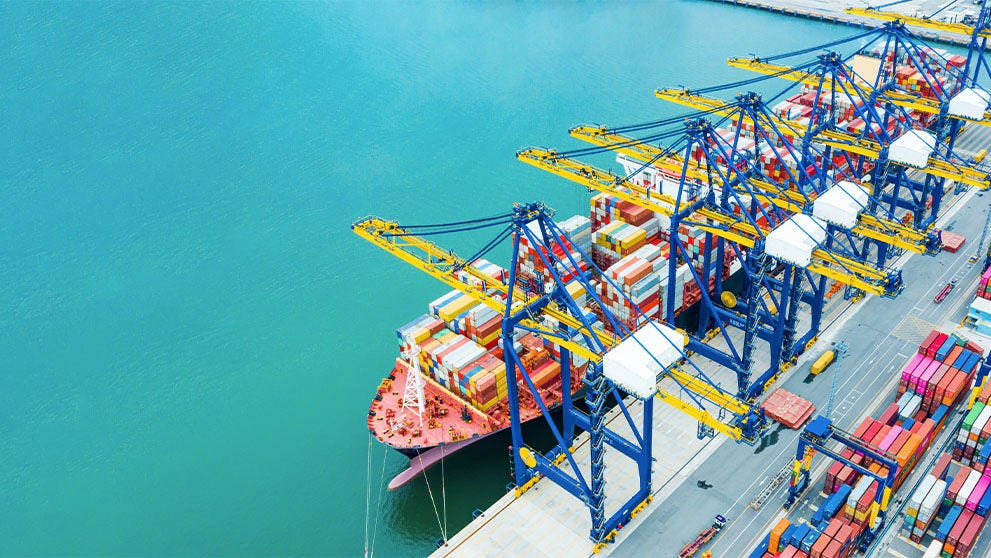
Myth 2: Heavy shipments have to travel by sea freight?
Not necessarily.
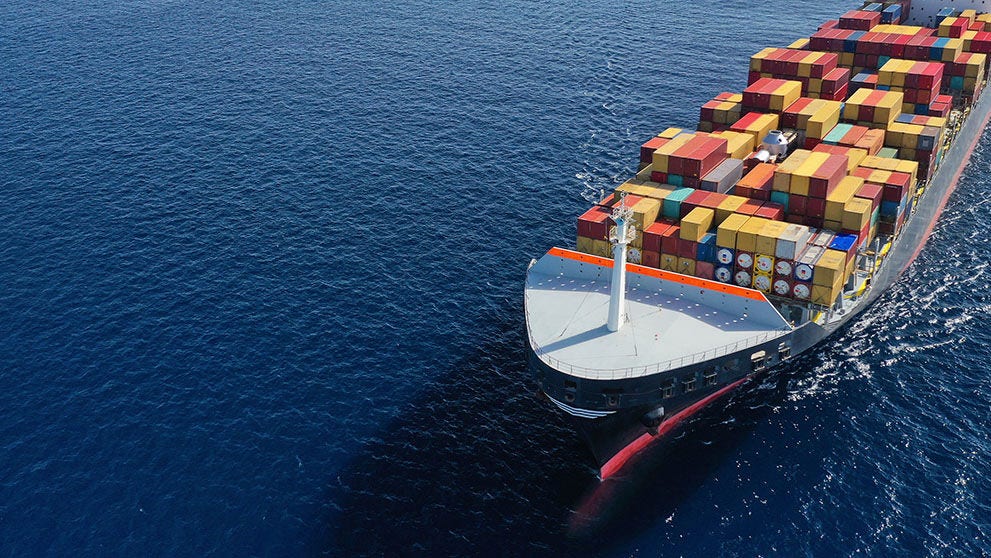
Sea freight can be appropriate for certain large-volume shipments, but it isn't always the best option when speed is critical.
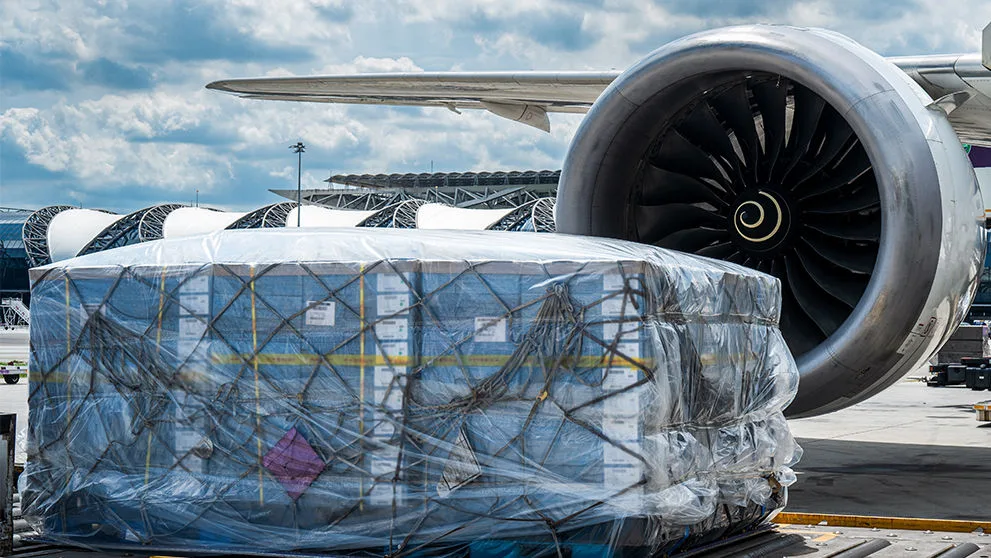
For UAE businesses shipping urgent spare parts, machinery components, industrial equipment or time-sensitive commercial goods, air express can provide a faster alternative.
DHL Heavy Weight Express is designed for international shipments from 50 kg up to 3,000 kg, with delivery possible in as little as 1–3 days for eligible shipments.
This means businesses don't always have to choose between heavy cargo and fast delivery.
Heavy doesn't always mean slow
The right logistics solution depends on more than weight.
If a delayed shipment could stop production, postpone an installation or leave engineers waiting on site, the cost of waiting may be greater than the difference between freight and express shipping.
Myth 3: Large shipments are always slow to deliver
Size does not automatically determine delivery speed.
The transit time for a heavy or large shipment depends on factors such as its origin, destination, weight, dimensions, service and customs requirements.
For businesses, however, the impact of a delayed shipment can extend well beyond logistics.
A delayed spare part could affect production. A missing machine component could postpone an installation. Late equipment could affect an exhibition, project or customer commitment.
For these time-sensitive situations, delivery speed can be an important consideration when selecting a shipping solution.
DHL Heavy Weight Express combines the capability to transport larger and heavier shipments with the speed of an international express network, helping businesses move critical goods when timing matters.

Myth 4: All heavy shipments can be handled the same way
A 100 kg shipment of spare parts isn't necessarily handled in the same way as a 100 kg medical device.
Weight is only one part of the shipping equation.
The nature of the goods, packaging, dimensions, value, fragility and destination can all affect the logistics process.
UAE businesses may ship everything from industrial machinery and automotive parts to medical equipment, electronics and exhibition materials. Each may have different packaging, documentation, customs and handling requirements.
Packaging matters for heavy shipments
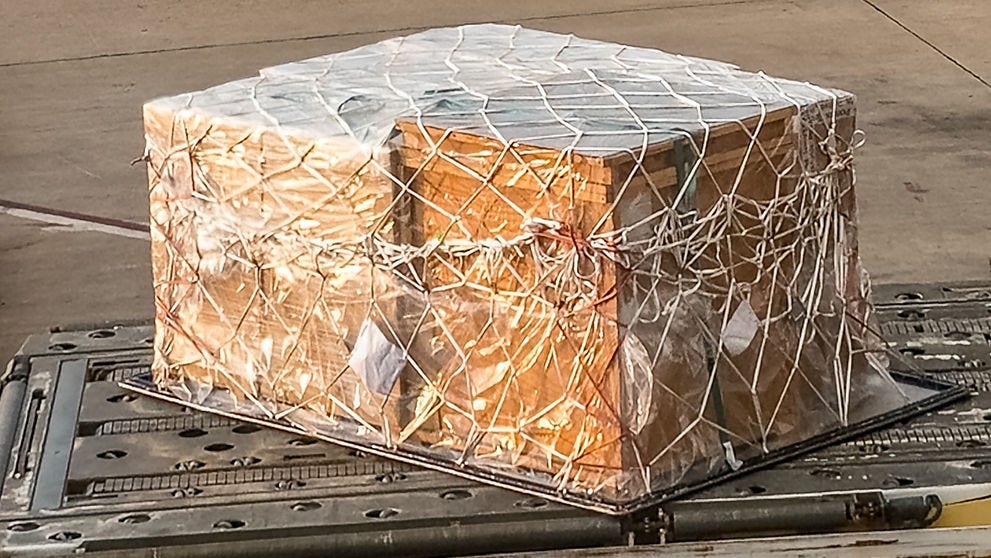
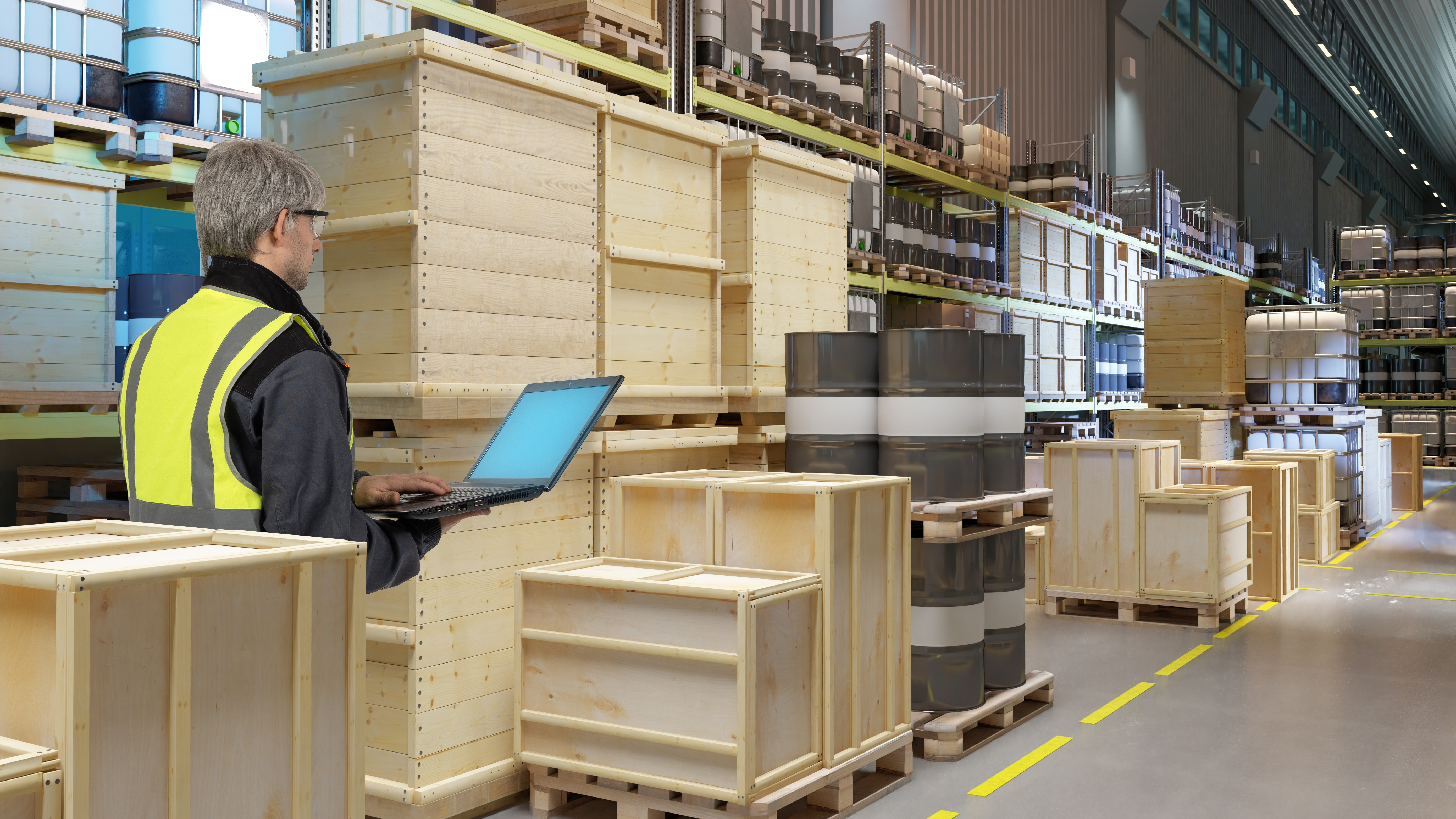
Heavy and palletised shipments need packaging that can withstand the demands of transportation.
Businesses should:
- Use strong, new packaging appropriate for the shipment's weight
- Protect fragile items with suitable cushioning
- Secure pallets and cartons properly
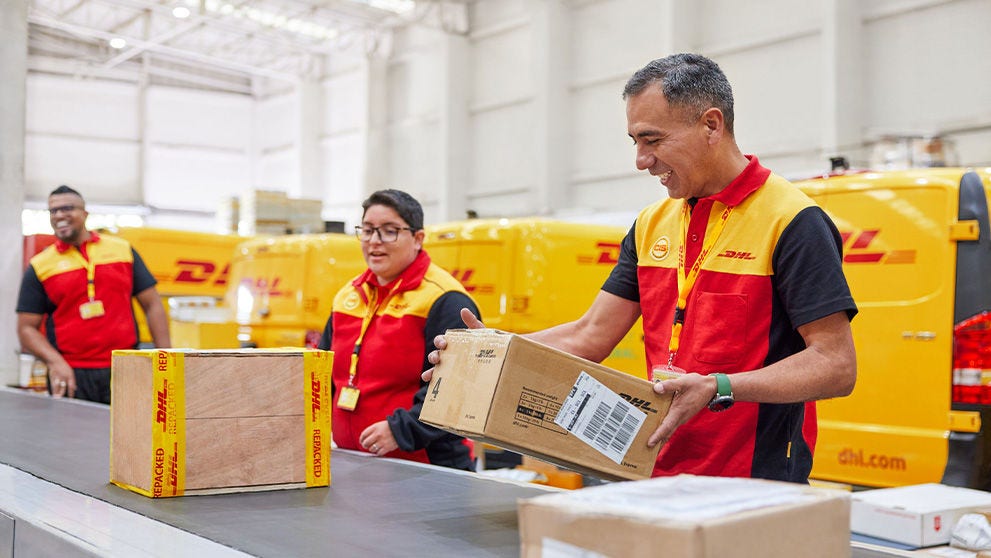
- Use reinforced tape across carton seams
- Clearly indicate shipment weight where required
- Make sure the packaging can withstand handling throughout the journey
Proper packaging isn't just about preventing damage. It can also help make handling safer and reduce the risk of delays.
Myth 5: Heavy shipments require more complex customs procedures when importing or exporting
Not necessarily.
Customs requirements are determined by factors such as the nature of the goods, their origin and destination, and applicable regulations—not simply by the weight of the shipment.
Whether a business is importing goods into the UAE or exporting products from the UAE to international markets, accurate documentation and shipment information are important parts of the customs clearance process.
Businesses should ensure that shipment documentation is complete and accurate and that any applicable requirements are understood before shipping.
This may include:
- Commercial invoices
- Accurate product descriptions
- Shipment values
- HS codes
- Required permits or certificates
- Shipper and consignee information
- Destination-specific documentation
Working with a logistics provider with international shipping and customs expertise can help businesses navigate the requirements associated with cross-border shipments.

Myth 6: Heavy shipments are difficult to track and manage
They don't have to be.
When a shipment contains critical equipment, valuable goods or components needed for a specific deadline, businesses need visibility throughout the delivery process.
Shipment tracking can help businesses monitor the progress of their goods and plan accordingly.
For companies importing into the UAE or exporting to international markets, end-to-end visibility can also help teams coordinate with suppliers, customers, warehouses and other stakeholders.
DHL Heavy Weight Express provides shipment tracking and visibility, helping businesses stay informed from pickup through delivery.
When should you choose DHL Heavy Weight Express?
DHL Heavy Weight Express is designed for international shipments weighing 50 kg and above, combining the speed of express shipping with the capability to move larger, heavier goods through one integrated network. It can be the right choice when:
- Downtime isn't an option. A delayed shipment could halt production, interrupt an installation, or leave engineers waiting on site.
- Deadlines are fixed. Product launches, customer commitments, and project milestones can't simply be pushed back.
- You want to reduce safety stock. Reliable delivery gives you greater confidence to hold less inventory without increasing risk.
- You're managing shipments across multiple markets. One integrated network helps reduce complexity, with fewer handoffs and a more consistent shipping experience.
- Your cargo needs specialist handling. Ideal for high-value, fragile, or time-critical shipments where visibility and care matter.
- You need greater cost certainty. Transparent, all-in pricing helps reduce unexpected charges and makes budgeting easier.
- Customs delays could affect your business. Integrated customs expertise helps keep international shipments moving smoothly.
- Speed matters. Shipments from 50 kg up to 3,000 kg can move internationally in as little as 1–3 days.


 Share
Share
Similar Stories