1 - Siemens, 2023



 Share
Share
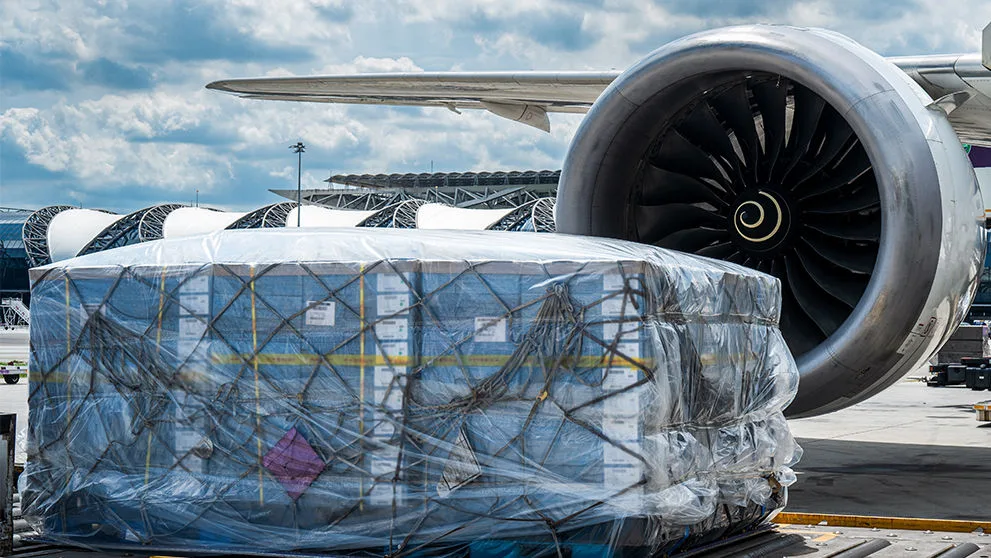
For businesses across the United States, shipping heavy items and oversized cargo internationally has traditionally meant navigating complex freight networks, multiple handoffs, customs complexity and long transit times. Whether importing industrial equipment or shipping large freight, many businesses have accepted delays as part of the process.
Today's supply chains demand a different approach. Manufacturers, distributors and growing businesses have less room for delays and increasingly expect the same speed, visibility and reliability for heavy weight shipping that they've come to expect from express logistics.
The reality is that many assumptions about shipping large and heavy items no longer reflect how modern logistics operates. In this article, we'll debunk six common myths about heavy weight shipping and explore how businesses can move freight faster, simplify operations and keep their supply chains running smoothly.
Heavy weight shipments have traditionally moved through freight forwarding, where the journey is coordinated across multiple carriers and service providers. Depending on the route, shipments may change hands several times before reaching their destination.
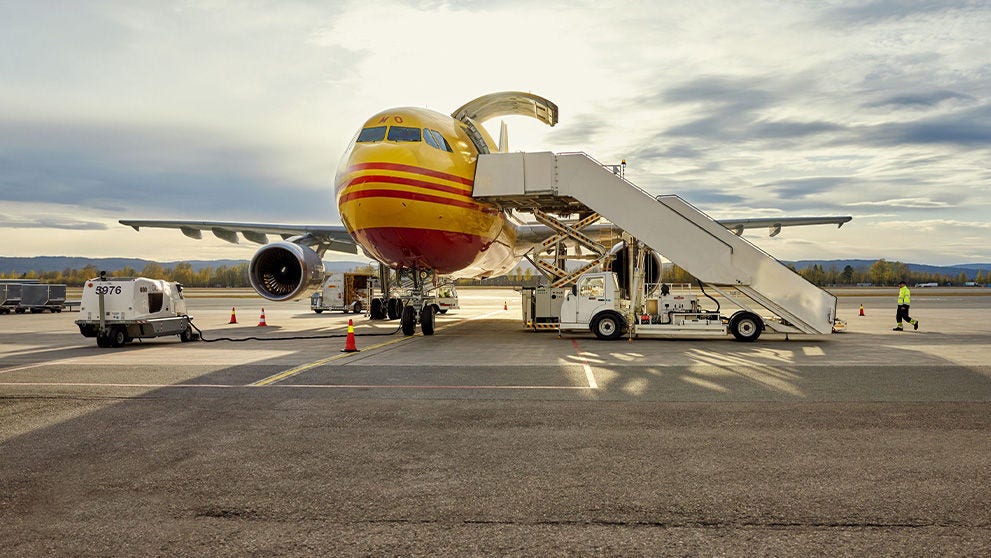
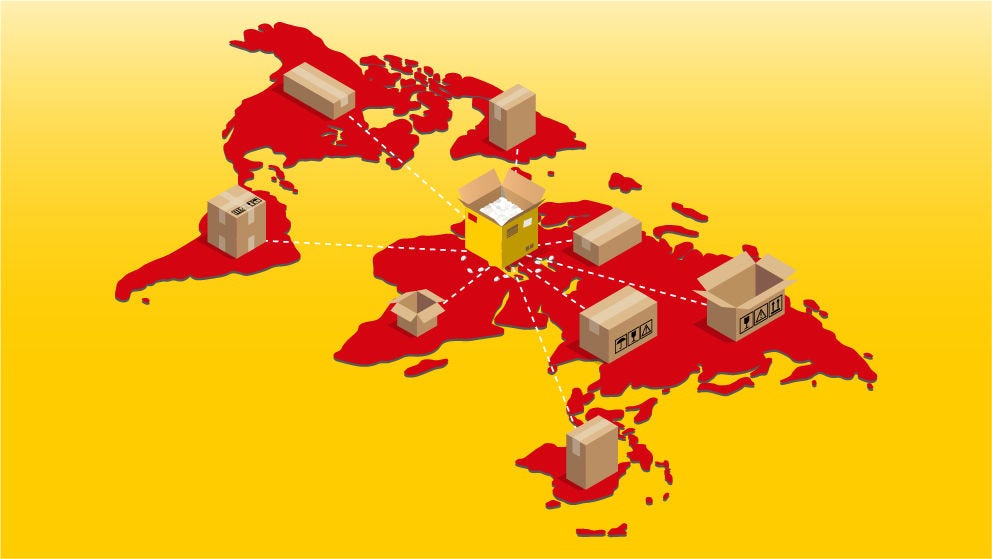
With DHL Heavy Weight Express, shipments move through a single integrated network from pickup to delivery, with one point of contact and end-to-end visibility throughout the journey – a predictable service for time-critical heavy shipments.

Whether you're importing manufacturing equipment to the U.S., sourcing components from Asia, or shipping machinery to customers across Latin America, the lowest shipping quote doesn't always translate into the lowest overall cost. Additional handling fees, customs charges, storage costs and shipment delays can quickly increase the final bill.
Choosing a shipping solution with transparent, all-in pricing can provide greater cost certainty, helping businesses avoid hidden fees and make more informed decisions.
Total shipping cost vs price per pound
Price per pound can be misleading. Oversized dimensions, additional handling requirements, and multiple carrier fees can all increase the final cost. Likewise, splitting one heavy shipment into several smaller parcels isn't necessarily cheaper once individual shipping rates and surcharges are considered.
Focusing on the total cost of delivery – including handling and administration – often provides a more accurate basis for comparison than the initial quote alone.

Many U.S. businesses responded to recent supply chain disruptions by increasing inventory levels. While carrying extra stock may provide a cushion against delays, it also ties up working capital, increases warehousing costs and makes it harder to operate efficiently in a fast-moving market.
The better solution is to reduce the uncertainty itself. Choosing a shipping partner that offers reliable transit times and consistent service can help free up working capital while keeping supply chains responsive.
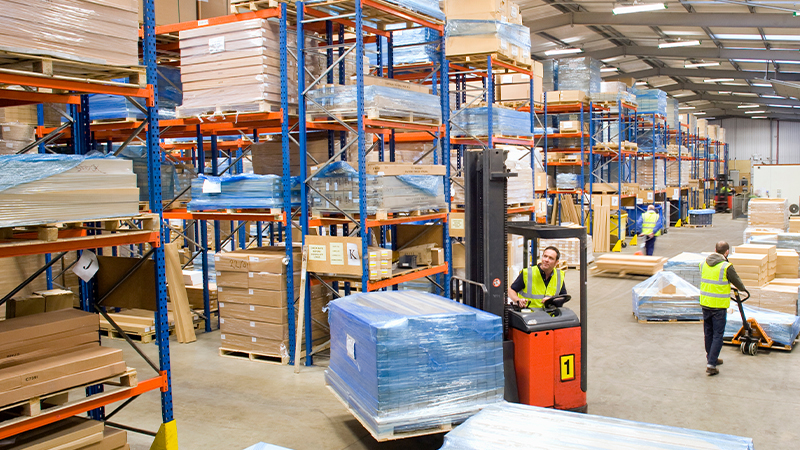
For manufacturers operating across global supply chains, a delayed replacement part can have consequences far beyond the factory floor. When critical components are sourced internationally, every hour of downtime can impact production schedules, customer commitments, and revenue.
That's why more businesses are turning to services like DHL Heavy Weight Express. By moving time-critical shipments through a single integrated network, it helps reduce delays and get essential components where they're needed, faster.
The cost of unplanned downtime
Unplanned downtime costs industrial manufacturers an estimated US$50 billion every year1

From medical devices headed to hospitals, to semiconductor equipment supporting technology production, not all heavy shipments have the same requirements. Many U.S. industries depend on moving high-value and highly regulated goods that require more than simply transporting a pallet from one location to another.
For high-value or regulated shipments, chain of custody and specialist handling are just as important as transit time. DHL Heavy Weight Express is designed with those requirements in mind, helping businesses move critical shipments with the care and visibility they demand.

Businesses operating in the U.S. face a growing range of supply chain challenges, from severe weather to geopolitical disruptions affecting international trade routes. The ability to respond quickly has become a competitive advantage.
Resilient supply chains are built on contingency. Businesses that recover fastest are those with reliable backup plans, clear visibility, and logistics partners that can respond quickly when disruption occurs.

Major installations, facility openings, trade show launches and customer rollouts are often planned months in advance. When a critical shipment arrives late, the impact can ripple across project schedules, customer relationships and revenue targets, making reliable delivery more important than ever.
That’s why fast, reliable shipping is essential. DHL Heavy Weight Express helps businesses meet fixed deadlines by combining the speed of express shipping with the capability to move shipments from 110lbs (50kg) upwards through a single integrated network, ensuring key milestones stay on track.
DHL Heavy Weight Express is designed for international shipments weighing 110lbs (50kg) and above, combining the speed of express shipping with the capability to move larger, heavier goods through one integrated network. It can be the right choice when:
Open a DHL Express Business Account or speak to your Account Manager to find out how DHL Heavy Weight Express can support your business.
1 - Siemens, 2023
 Share
Share