Do B2B Companies Need a Returns Policy?
In B2B e-commerce, efficient returns management is a competitive necessity. Returns often involve bulk orders, contractual obligations, and more complex logistics than a typical consumer return.
Read on to learn how returns management systems maximize profitability, improve customer satisfaction, and strengthen long-term partnerships for B2B companies. We’ll also explore strategies to build an efficient returns process and leverage modern reverse logistics solutions to help your business stay ahead of the competition.
B2B vs. B2C Returns
Most of us have personal experience with B2C returns. They’re regulated, standardized, and a normal part of consumer-facing e-commerce.
In the B2B sector, however, returns are more nuanced. Because they’re not required by law, each case is tailored to the situation and buyer.
B2C returns are typically flexible, easy and accepted for a broad range of reasons, including:
Different color/fit than expected
Customer didn’t like item
- Customer changed mind
B2B returns are usually limited to specific conditions, such as:
- Defective or damaged product
- Incorrect items
Here’s a good way to break it down:
- B2C returns policies should focus on customer experience.
- B2B returns policies should focus on risk management.
The Challenges of B2B Returns
B2B buyers often expect a seamless experience similar to B2C transactions, but B2B returns are more complex because they involve:
Large shipment volumes
Contractual return agreements
Product lifecycle considerations
Multi-location supply chains
These factors might discourage you from making a formal returns policy, but inefficient returns can erode profit margins and harm customer relationships. That’s why a structured, scalable approach is best even if there’s no “one size fits all” solution.
Creating Efficient Returns Processes

1. Standardize Where You Can
Clear and consistent policies are the foundation of effective product returns management. Even if B2B returns are often negotiated case-by-case, there are still core elements you can define, including:
Eligible return conditions
Timeframes
Required documentation
Restocking fees (if applicable)
Standardization reduces confusion and speeds up processing.

2. Centralize Returns Authorization
Implement a centralized Return Merchandise Authorization (RMA) system to:
Track return requests
Approve or reject returns quickly
Maintain visibility across departments
A centralized process ensures accountability and improves turnaround time.
3. Streamline Physical Returns Handling
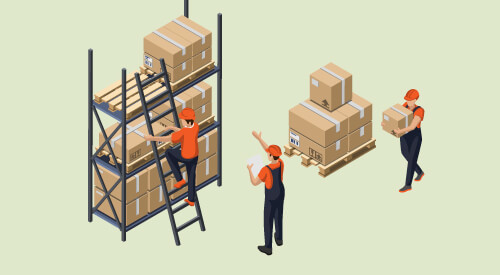
Efficiency in warehouses is key. Best practices include:
Dedicated returns zones
Predefined inspection workflows
Fast sorting and disposition (restock, repair, recycle)
A well-organized warehouse minimizes delays and maximizes recovery value.
4. Enhance Communication with Customers
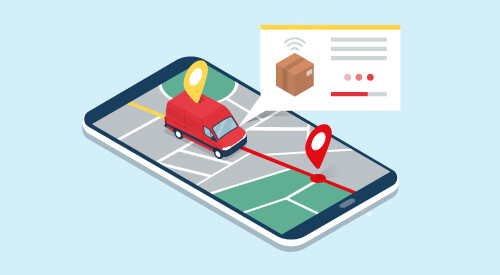
Transparent communication throughout the return process builds trust. Provide:
Real-time status updates
Clear instructions
Responsive support channels
Clear communication can improve customer experience and support stronger, long-term business relationships.
Reducing costs in B2B Returns Management
1. Optimize Transportation Costs
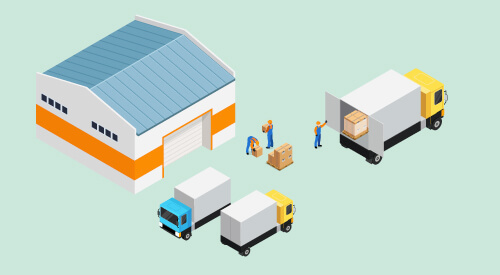
Transportation is a big cost driver in the returns process. Reduce expenses by:
Consolidating return shipments
Using regional return hubs
Negotiating carrier rates
Strategic routing can lower freight costs.

2. Reduce Return Rates Proactively
The best return is the one that never happens. Prevent returns by:
Improving product descriptions and specifications
Providing accurate order fulfillment
Offering pre-sales technical support
Fewer errors mean fewer costly returns.
3. Maximize Product Recovery Value
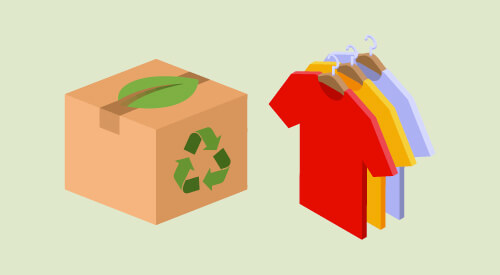
Not all returned goods are lost revenue. Implement strategies to recover value:
Refurbish and resell products
Redirect items to secondary markets
Reuse components in manufacturing
Effective product returns management turns losses into opportunities.
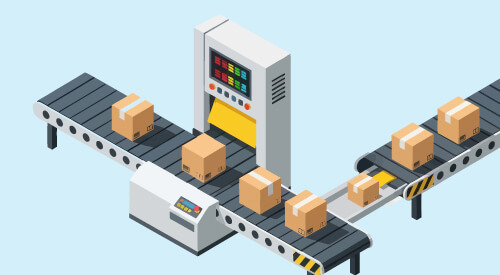
4. Automate Manual Processes
Manual handling increases labor costs and errors. Automation can:
Reduce processing time
Improve accuracy
Lower administrative overhead
Automation is a key lever for cost efficiency.
What Your Returns Are Telling You
Returns often signal deeper issues. Analyze returns data to identify patterns such as:
Frequent product defects
Customer-specific return trends
Order accuracy issues
Supply chain inefficiencies
Insights from data can show you how to optimize reverse logistics and drive continuous improvement in efficiency and profitability.
Building a Future-Ready Returns Strategy
Returns are unavoidable in B2B e-commerce, but with the right strategy, companies can streamline operations, reduce costs, and unlock new opportunities in their reverse supply chain. Look for ways to transform returns into a source of value.
DHL is uniquely positioned to help businesses manage these demands with innovative logistics expertise and reverse logistics solutions built for complex B2B environments.
Ready to partner with DHL for logistics support and shipping solutions? Open a business account today to unlock the benefits!


 Share
Share
Similar Stories