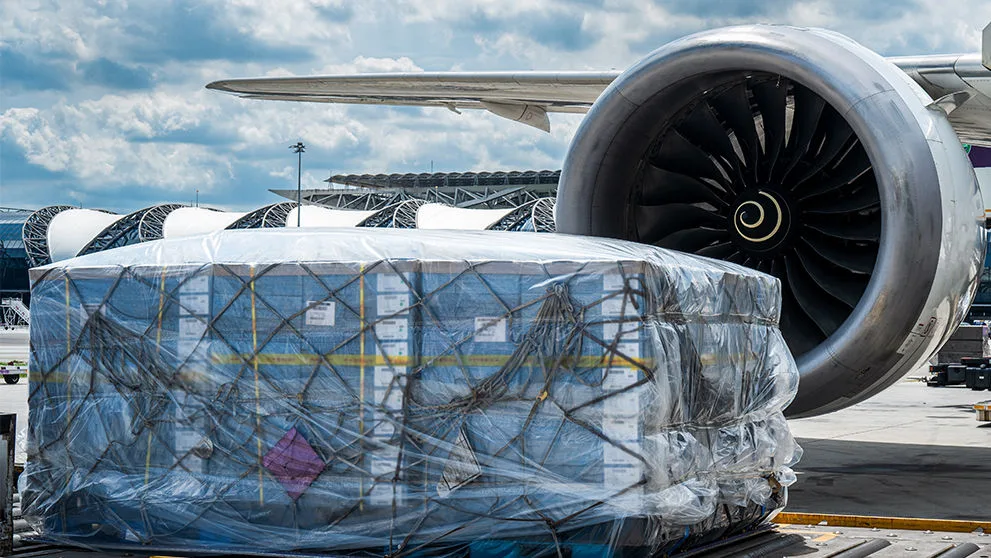
Shipping internationally from the U.S.? Your waybill is the document that keeps your shipment moving from pickup to final delivery. Think of it as your parcel’s travel passport: it confirms the carrier received your goods, outlines the contract of carriage, and powers tracking with a unique waybill number. Complete it accurately, and your shipment has a smooth path through export formalities and customs. Get it wrong, and you could face delays, returns, or extra costs.
Waybill basics
A waybill is the core shipping document for express and air shipments. It serves three functions:
- Receipt: proof your carrier (e.g., DHL Express) took possession of your goods.
- Contract of carriage: the terms under which the carrier transports your shipment.
- Tracking & control: the waybill number (barcode) enables end-to-end visibility.
Unlike some ocean-freight documents, a waybill does not transfer title—it’s meant to move goods quickly and transparently rather than prove ownership.
Why waybills matter for U.S. exporters
When you’re shipping across borders, the waybill becomes more than just a shipping label. Here’s why it matters so much for SMEs and e-commerce brands entering new markets:

1. It acts as a formal contract with your carrier
The waybill outlines the agreement between you and your logistics provider, specifying where the shipment is going, how it will be transported, and who’s responsible at each step. It sets the rules of the road so there are no surprises once your parcel is in transit.
2. It serves as proof of delivery
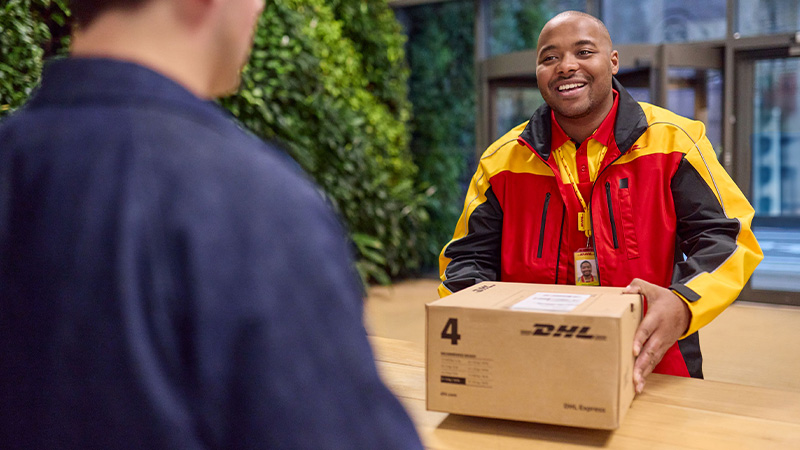
Once the shipment reaches your customer, the signed waybill becomes evidence that the goods were delivered in the expected condition. For businesses shipping high-value or fragile products, this record is essential for resolving disputes or insurance claims.

3. It clarifies who pays for shipping
The waybill includes billing instructions – whether the shipper, receiver, or a third party covers transportation costs. This helps avoid confusion and ensures carriers can invoice accurately.
4. It enables end-to-end tracking
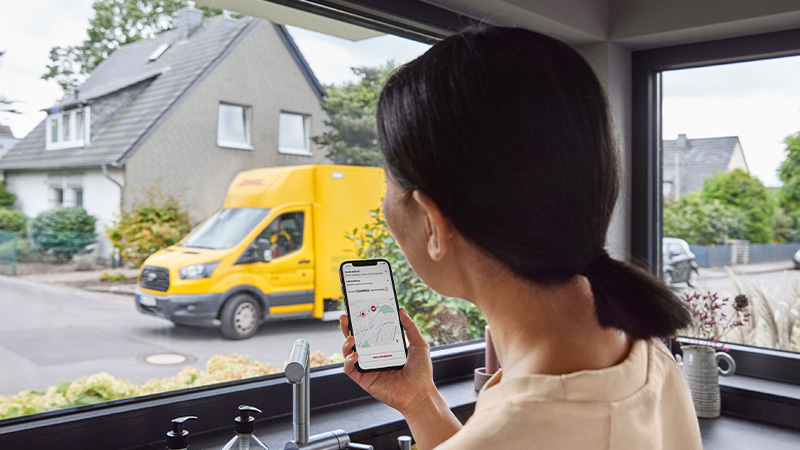
Every waybill has a unique ID number and barcode. This is what powers the real-time tracking your customers rely on – from departure scans to customs updates to final delivery. It also gives you more visibility and control across your cross-border operations.
5. It’s crucial for customs clearance
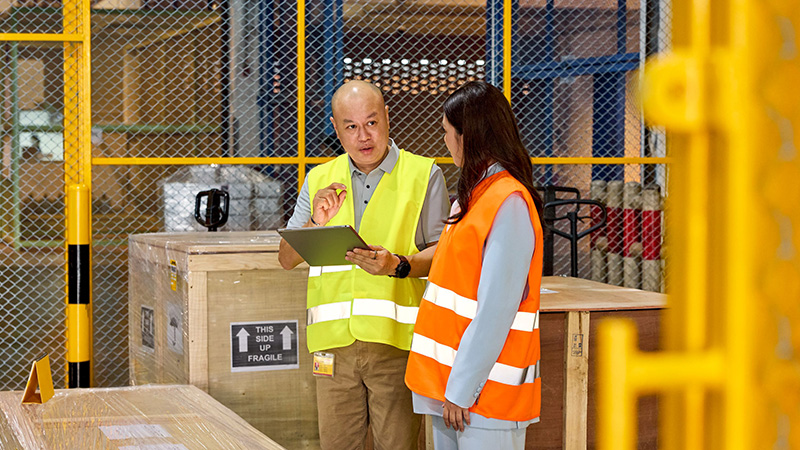
In international shipping, customs officials often refer to the waybill to verify the shipment’s details: who is sending it, who’s receiving it, what’s inside, and where it’s going. A properly completed waybill helps prevent customs delays, fines, or returns – ensuring your goods clear borders faster.
In short, the waybill is the backbone of efficient global shipping – ensuring your goods keep moving, and stay compliant.
Types of waybills
Waybills come in different formats depending on how you ship – and understanding the differences helps you choose the right documentation for every cross-border order.
Traditionally, waybills were issued on paper, but today most carriers (including DHL) offer digital versions that are faster, more accurate, and easier to manage. Through MyDHL+, for example, businesses can create and submit electronic waybills and supporting documents in just a few clicks, helping reduce paperwork and speed up customs processing.
Air Waybill (AWB)
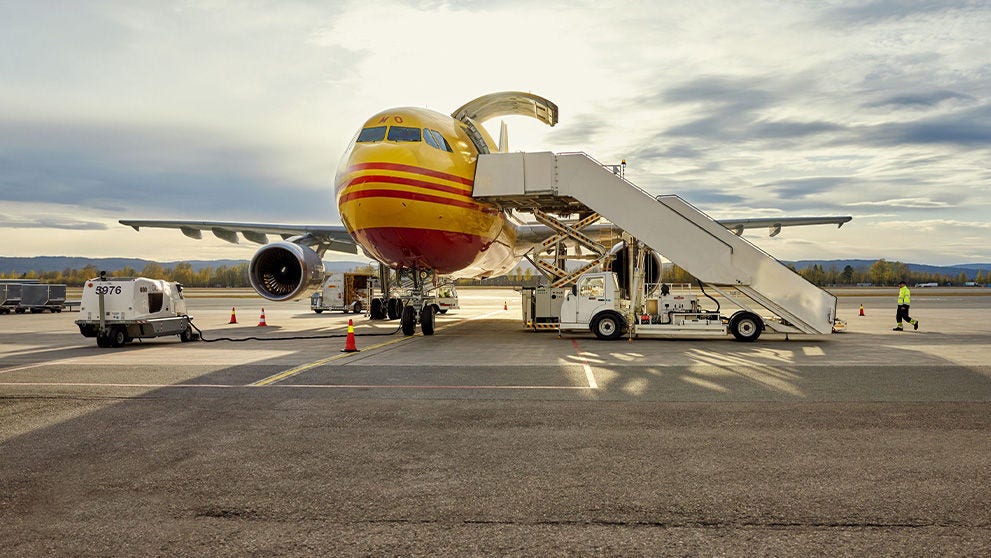
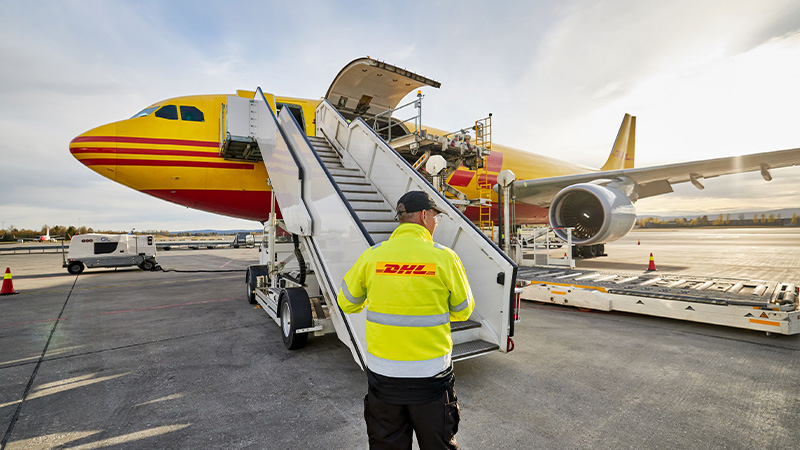
An Air Waybill is used for air freight shipments and serves as the contract between the shipper and the airline. It includes key details such as shipper/consignee information, flight routing, package descriptions, and charges. AWBs can be paper-based or digital – with the latter offering faster processing, fewer errors, and improved visibility.

Electronic Waybills
Electronic waybills (or e-waybills) replace the physical document entirely with a digital version. They streamline shipping by reducing manual data entry, cutting down on errors, and eliminating the risk of lost paperwork. DHL’s digital waybill tools within MyDHL+ allow SMEs to create compliant electronic documentation and share it instantly with carriers and customs authorities.
Bill of Lading
A Bill of Lading (B/L) is a more formal, legally binding document used mainly in sea freight. It serves three functions: a receipt for the goods, a contract of carriage, and a document of title – meaning ownership of the cargo can be transferred while it’s in transit. Businesses often use a B/L for higher-value or more complex shipments requiring proof of title at delivery.
Waybill v Bill of Lading
Although they’re both key shipping documents, a waybill and a Bill of Lading (B/L) serve slightly different purposes.
A waybill is primarily a receipt and shipping contract between you and the carrier. It includes all the essential details (shipper, consignee, contents, destination), supports tracking, and helps with customs clearance. Importantly, a waybill does not act as a document of title, which means the consignee can receive the goods without presenting any original paperwork. This makes waybills faster and more convenient for most e-commerce and SME shipments.
A Bill of Lading, on the other hand, goes a step further. In addition to being a receipt and contract of carriage, it is also a document of title – meaning it can be used to transfer ownership of the goods while they’re in transit. This is why Bills of Lading are more common in sea freight, particularly for higher-value, bulk, or internationally traded goods where proof of ownership is important.
For most cross-border parcels and e-commerce shipments, a waybill is all you need – and DHL’s digital tools make creating one quick and hassle-free.
| Category | Waybill (Express/Air) | Bill of Lading (Ocean) |
|---|---|---|
| Transfers title? | No | Yes (negotiable B/L variants) |
| Primary use | Parcels & time-definite air freight | Ocean freight; higher-value or bulk cargo |
| Speed & handling | Fast, streamlined, digital-friendly | Slower; physical originals may be required |
| Best for | E‑commerce, samples, small parcels, time‑critical B2B | Containerized cargo, complex trade terms |
What to include on a waybill (U.S. checklist)
A waybill captures all the essential details your carrier and customs authorities need to move your shipment smoothly from origin to destination. While formats vary slightly by carrier, here’s the core information you’ll typically be asked to provide:
- Shipper details – your name, company, address, and contact information.
- Consignee details – the recipient’s name, address, and phone number.
- Description of goods – what you’re sending, including item names, materials, and purpose.
- Quantity and weight – number of items, total weight, and sometimes dimensions.
- Value of goods – for customs and insurance purposes.
- HS (Harmonized System) codes – classification codes that help customs identify your products.
- Reason for export – such as sale, return, gift, or sample.
- Payment terms – which party pays for shipping (shipper, receiver, or third party).
- Special instructions – any handling notes or delivery preferences.
U.S.-Specific Waybill Compliance Requirements
- EEI filing (AESDirect): For many U.S. exports valued >$2,500 per Schedule B/HS line or requiring a license, you must submit Electronic Export Information (EEI) and include the ITN on your paperwork/label. (Your broker or DHL can assist; exemptions apply.)
- Denied party & embargo checks: Screen counterparties and destinations to avoid shipping to restricted entities/locations.
- Lithium batteries & hazmat: Follow IATA and carrier policies; misdeclared batteries are a leading cause of delays.
- Country-specific extras: Some destinations require recipient tax IDs (e.g., Brazil CPF/CNPJ), special invoices, or product certifications—collect these up front.
Important: Regulations change. Consider this guidance a practical overview, not legal advice. Always verify current requirements for your product and destination.

Importance of accurate waybill information
Providing complete and accurate information on your waybill is essential for keeping your shipment moving – especially across international borders. Customs authorities rely on these details to verify what you’re sending, and any inconsistencies or missing data can trigger delays, inspections, or even returns. For SMEs and e-commerce businesses, that can mean unhappy customers and unexpected costs, so make it a priority!
Who is responsible for the waybill?
The shipper – that’s you – is generally responsible for creating and providing an accurate waybill. You fill in the shipment details, ensure all customs information is correct, and attach it to the parcel (or submit it digitally). The carrier then uses the waybill to track, transport, and deliver the goods. While the carrier manages the logistics, ultimate responsibility for accurate waybill information rests with the shipper to avoid delays or compliance issues.
What other documents do I need for international shipping?
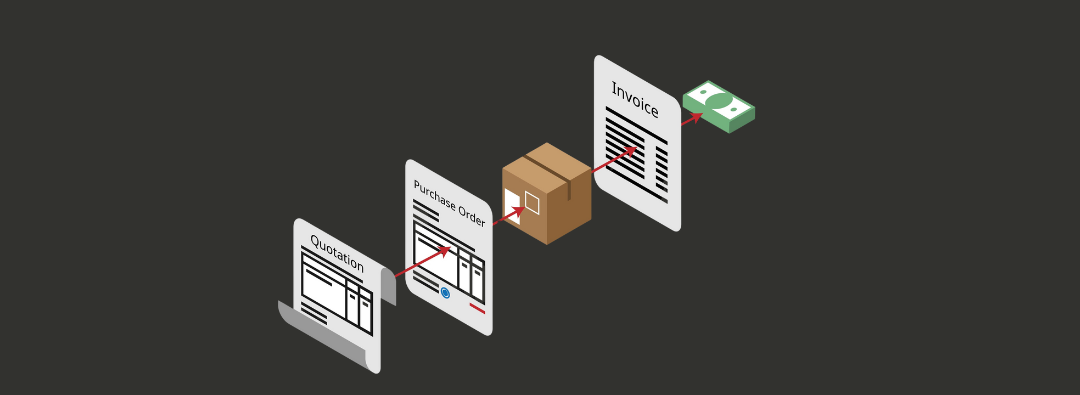
In addition to a waybill, international shipments often require other documentation depending on the destination and type of goods. The most common include:
- Commercial invoice – this details the transaction value and description of goods.
- Packing list – lists items, quantities, and packaging details.
- Certificate of origin – proves where the goods were made.
- Export licenses or permits – required for regulated products.
Tips to fill in a waybill
Completing a waybill correctly doesn’t have to be complicated. Here are a few practical tips:
- Double-check names and addresses – accurate shipper and consignee info is crucial.
- Be precise with item descriptions – avoid vague terms; include materials and intended use.
- Include proper HS codes – these help customs classify goods correctly.
- Provide correct weights and dimensions – this ensures proper handling and accurate charges.
- Review payment and delivery instructions – confirm who pays and any special requirements.
DHL’s waybill generator
DHL makes creating waybills simple with its digital tools in MyDHL+. You can generate, store, and submit waybills electronically, reducing paperwork and the risk of errors. The system also integrates with shipping labels, tracking, and customs forms, letting SMEs focus on growing their business instead of chasing paperwork. With DHL’s waybill generator, cross-border shipping becomes faster and easier to manage.
For fast, international shipping, open a DHL Express Business Account.


 Share
Share

Similar Stories