#LogisticsAdvice

Heavy Freight Shipping: How to Prevent Damage and Delays | DHL UAE

4 min read
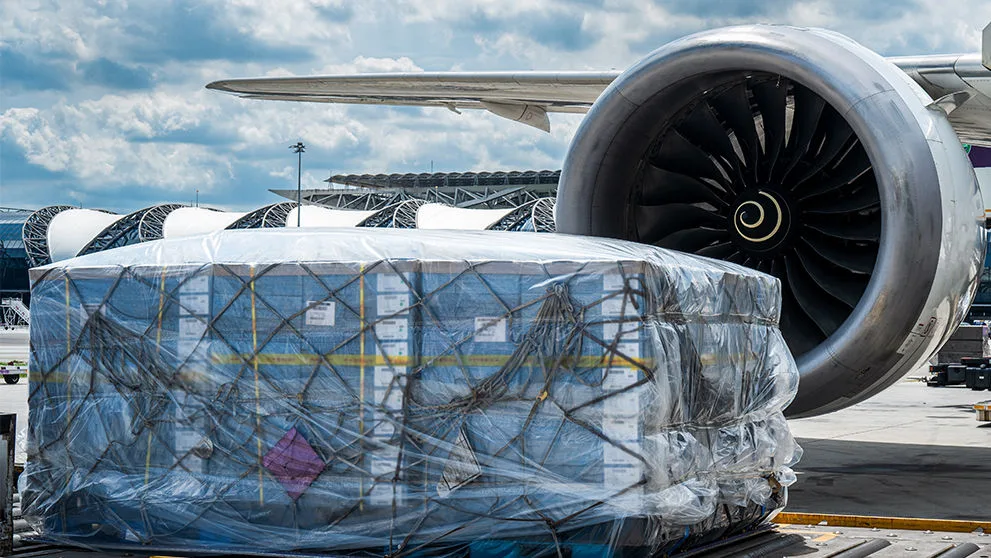
Cargo, containers and pallets are unloaded from a commercial aircraft at Washington airport using container loaders
This article covers
Best practices for heavy freight shipping – including packaging and customs documentation
How to avoid damaged freight

Heavy freight shipping requires careful planning. Issues can arise during loading, handling, transit or delivery, leading to delays, damaged goods or unexpected costs. For businesses shipping machinery, production equipment or palletized goods, even small preparation mistakes can have wider consequences.

The good news? Most are preventable. In this article, we'll explore the most common heavy freight shipping challenges and practical steps you can take to keep your shipments moving smoothly.

What are the common challenges when shipping heavy freight?

Heavy freight shipments rarely encounter problems because of one major issue. More often, several smaller problems can increase the risk of damage or delays throughout the shipping journey.

An unstable pallet, unsuitable packaging, insufficient load securing or incomplete shipment information can all create challenges during transportation and handling.

These issues can affect more than the shipment itself. Delays can interrupt production schedules, postpone customer deliveries, increase handling costs and make supply chains less predictable. Preparing the shipment correctly before collection can help reduce these risks.

How to improve pallet stability for heavy shipments

A stable pallet is essential when shipping heavy goods. If a load is not properly balanced, it can become more vulnerable whenever it is lifted, transported or moved through a logistics hub.

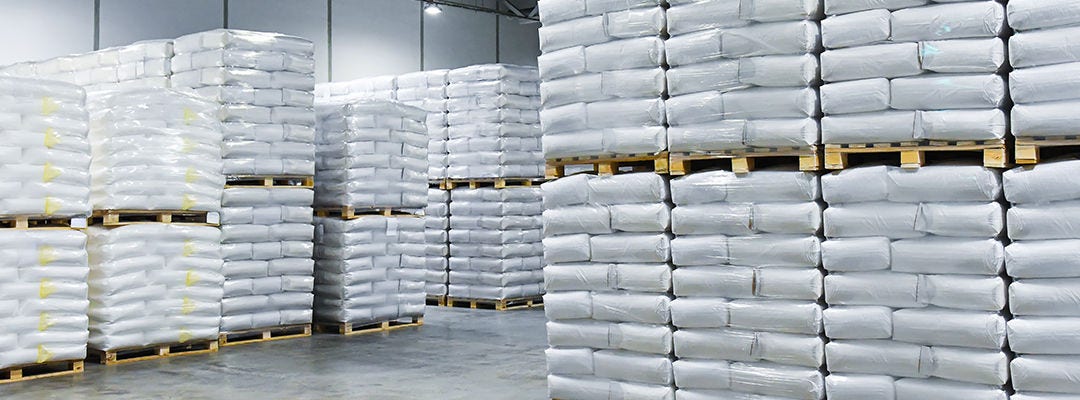
Heavy items should be placed at the bottom of the pallet, with lighter goods above them to keep the center of gravity low. Boxes should be stacked evenly, with gaps minimized wherever possible. Once loaded, the shipment should be secured using suitable stretch wrap, banding or both to prevent movement during transit.

The pallet itself also needs to be in good condition. A damaged or weakened wooden pallet may reduce stability under heavy loads and make the shipment more difficult to handle safely.

How to choose packaging for heavy freight

Standard parcel packaging may not be suitable for heavier goods. Packaging needs to withstand the weight of the product as well as the handling and transportation involved in its journey.

Corrugated boxes should be appropriately rated for the weight they carry. For particularly heavy, large or valuable goods, wooden crates or palletized transport may provide a more suitable solution.

Internal protection is equally important. Empty space inside a package can allow products to move during transit, increasing the risk of impact and vibration damage. Foam inserts, edge protection and suitable void-fill materials can help keep goods securely in place.

Choosing packaging based on the weight, dimensions and characteristics of the shipment can help reduce the risk of freight damage.

Prepare heavy freight for handling

Heavy shipments may pass through forklifts, loading equipment, warehouses and logistics hubs before reaching their destination. Preparing goods for mechanical handling from the beginning can help prevent unnecessary delays and damage.

For example, goods that overhang the pallet edge may be more exposed to damage during forklift handling. An unstable or poorly secured load may also require additional handling before it can continue through the network.

Keeping loads stable, secure and within the pallet dimensions where possible can help shipments move more efficiently through the logistics network.

Check labels and customs documentation

Preparing a heavy shipment isn't only about the physical goods. Accurate labeling and documentation are particularly important when shipping internationally to or from the UAE.

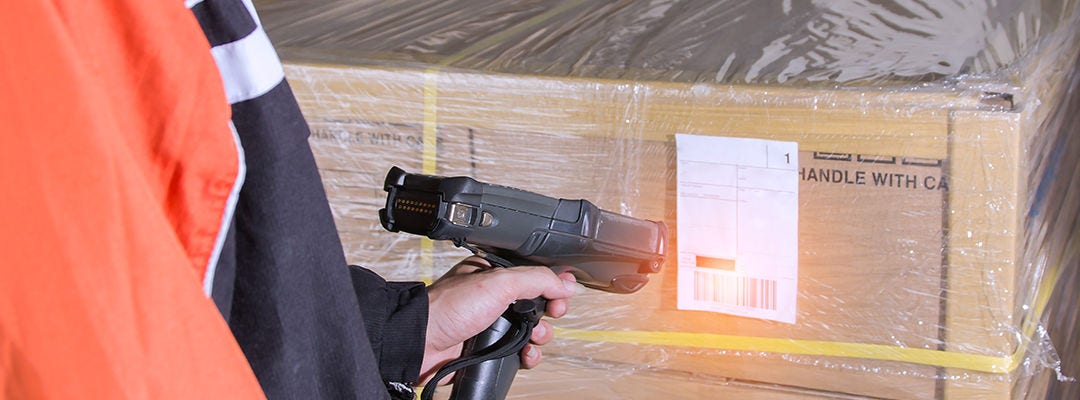
Every shipment should include the correct delivery address, sender and receiver details, shipment reference numbers and any relevant handling instructions. Labels should remain visible and should not be covered by stretch wrap.

Documentation also needs careful attention. Inaccurate commodity descriptions, missing paperwork or incomplete shipment details can result in customs queries and unnecessary delays.

Preparing complete and accurate documentation before dispatch can help support a smoother international shipping and customs clearance process.

The business impact of damaged or delayed freight

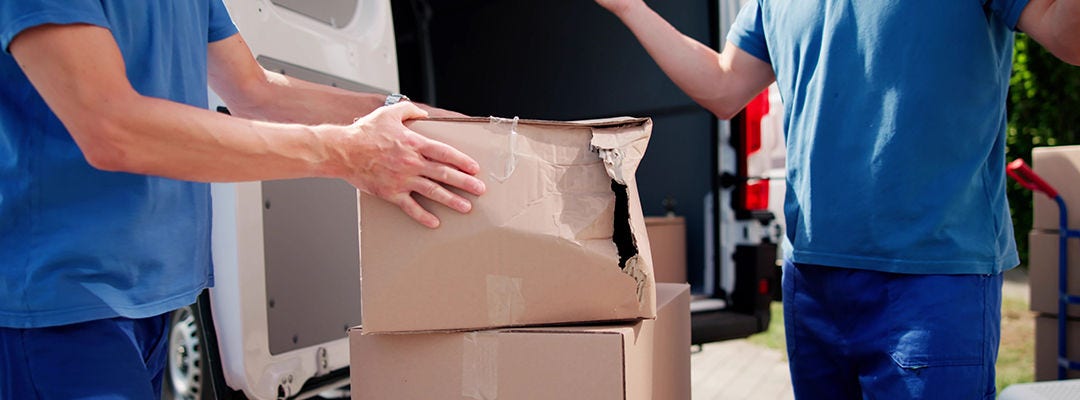
When heavy freight is damaged or delayed, the impact can extend far beyond the shipment itself.

A production line may be interrupted while replacement parts are sourced. Installation teams could arrive before essential equipment. Customer deliveries may be postponed, while businesses can also face additional handling, administration or operational costs.

There is also a customer experience to consider. Missed delivery commitments or damaged goods can affect customer confidence and business reputation.

Preventing freight damage is therefore not simply about protecting products. It is also about protecting business operations, customer relationships and supply chain performance.

How to prevent heavy freight damage and delays 

Most heavy freight problems can be addressed before the shipment leaves the warehouse.

Businesses should:

  • Check that pallets are strong and in good condition.
  • Distribute weight evenly across the pallet.
  • Secure goods to prevent movement during transit.
  • Use packaging appropriate for the shipment's weight and dimensions.
  • Provide sufficient internal protection.
  • Prepare goods for mechanical handling.
  • Keep labels visible and accurate.
  • Check international shipping and customs documentation before dispatch.

Taking these steps before collection can help reduce avoidable disruptions and improve the reliability of heavy freight shipments.

Freight damage FAQs

Freight damage is most commonly caused by poor packaging, unstable pallet loads, insufficient load securing, handling issues, or inaccurate documentation. While each issue may seem minor on its own, together they can lead to damaged goods, delays, or rejected shipments.

Most freight damage can be prevented through good preparation. Using suitable packaging, building stable pallet loads, securing goods correctly, and ensuring labels and documentation are accurate all help improve shipment reliability.

Responsibility depends on where and how the damage occurred, as well as the agreed shipping terms. That's why it's important to inspect shipments on arrival, document any damage immediately, and notify your carrier as soon as possible to begin the claims process.

With DHL Heavy Weight Express, shipments from 50 kg up to 3,000 kg can move internationally in as little as 1–3 days.

Open a DHL Express Business Account or speak to your Account Manager to find out how it can support your business.