#LogisticsAdvice

How To Prevent Heavy Freight Failures: Damages, Delays & Challenges

Vivien Christel Vella
Senior Global Digital Marketing Manager
4 min read
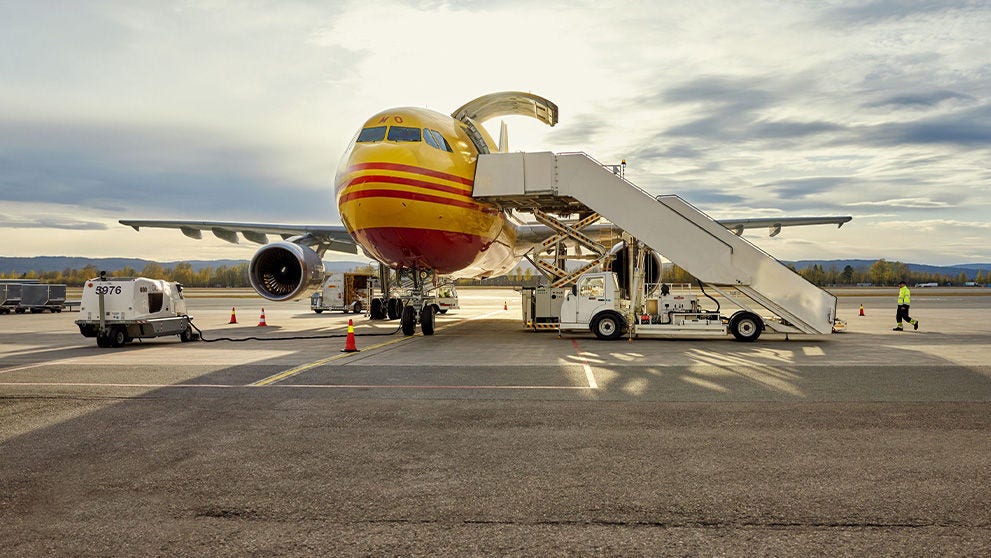
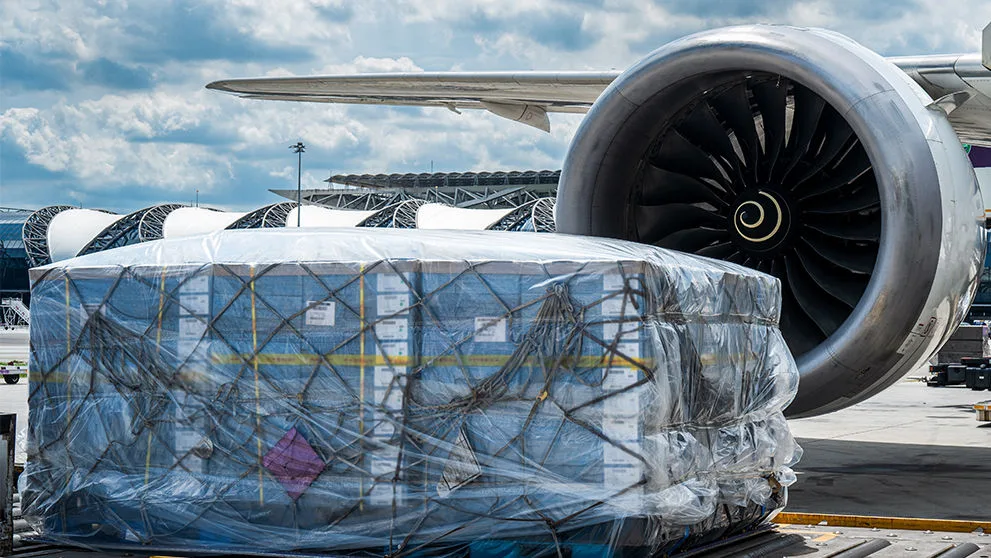
Cargo, containers and pallets are unloaded from a commercial aircraft at Washington airport using container loaders
This article covers
Best practices for heavy freight shipping – including packaging and customs documentation
How to avoid damaged freight

Heavy freight shipping requires careful planning. Issues can arise during loading, handling, transit, or delivery, leading to delays, damaged goods, or unexpected costs. For businesses shipping machinery, production equipment, or palletized goods, even small preparation mistakes can have wider consequences.

The good news? Most are preventable. In this article, we'll explore the most common challenges in heavy freight shipping and the practical steps you can take to keep your shipments moving smoothly.
 

Common challenges in heavy freight shipping

Heavy shipments rarely run into problems because of one major mistake. More often, it's a series of smaller issues that build up over the course of the journey. An unstable pallet, unsuitable packaging, missing shipment information, or goods that aren't prepared for mechanical handling can all increase the likelihood of delays or damage.

These issues don't just affect the shipment itself. They can interrupt production schedules, increase handling costs, delay deliveries to customers, and make supply chains harder to predict. Fortunately, most of these risks can be reduced with better preparation before the shipment is collected.
 

Pallet stability and load integrity

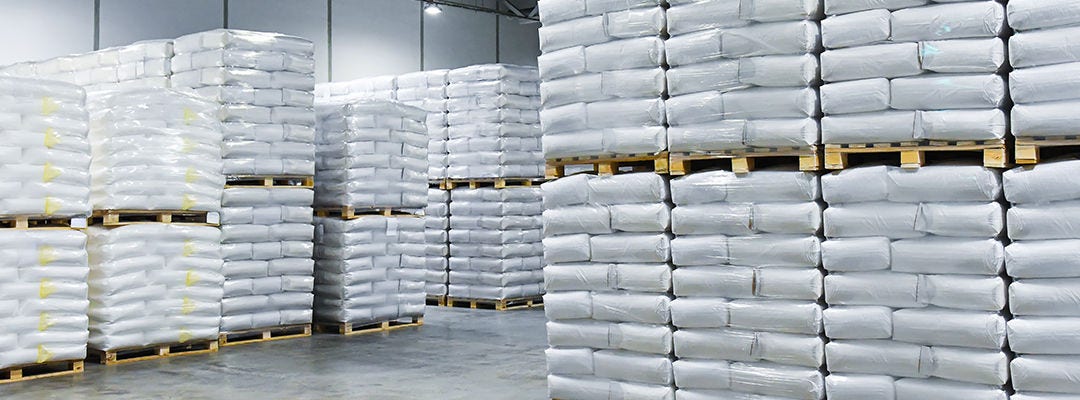
Every successful heavy weight shipment starts with a stable pallet. If the load isn't properly balanced, it becomes more vulnerable every time it's lifted, transported, or moved through a logistics hub.

One of the most common mistakes is uneven stacking. Heavy items should always sit at the bottom of the pallet, with lighter goods above them to keep the center of gravity low. Boxes should be stacked in neat, aligned columns rather than pyramid shapes, and gaps between cartons should be avoided wherever possible. Once loaded, the pallet should be secured with stretch wrap, banding, or both to prevent movement during transit.

The pallet itself also matters. A damaged or waterlogged wooden pallet can warp under load, reducing stability and making the shipment more difficult to handle safely. Spending a few extra minutes checking the condition of the pallet before dispatch can help avoid much bigger problems further down the supply chain.

Packaging quality and suitability

Not every box is designed to carry heavy goods. Packaging that works perfectly for standard parcels may collapse under the weight of industrial components or oversized equipment.

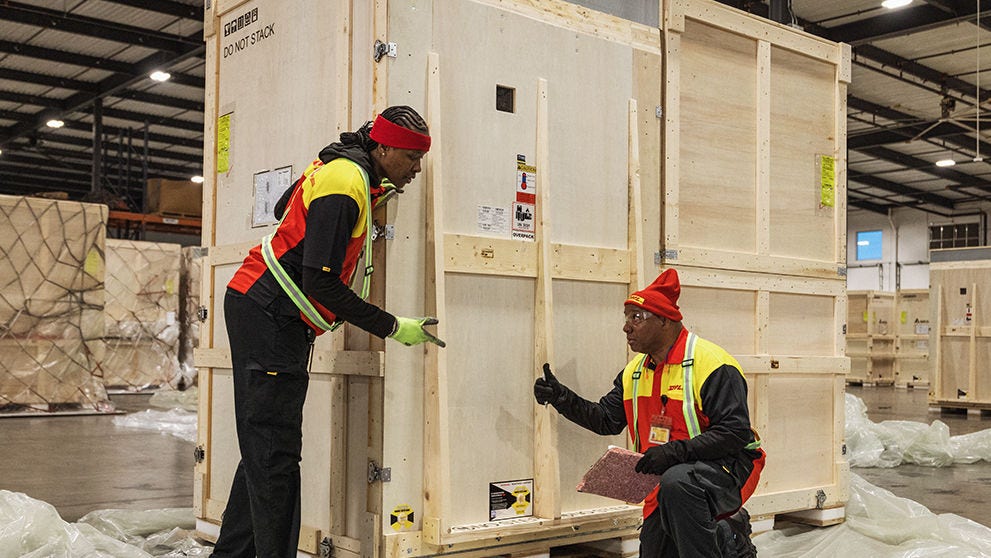
Outer packaging should be strong enough to support the weight of both the product and any stacked loads during transport. Corrugated boxes should be rated for the weight they'll carry, while particularly heavy or valuable goods may be better suited to wooden crates or palletized transport.

Internal protection is just as important. Empty space inside a carton allows products to move during transit, increasing the risk of damage. Foam inserts, edge protection, or other void-fill materials help keep goods securely in place while reducing shock and vibration throughout the journey.
 

Handling limitations and network compatibility

Heavy weight shipments often pass through forklifts, loading equipment, sorting hubs, and handling teams before reaching their destination. If a shipment isn't prepared for that environment, delays can quickly follow.

For example, an unstable pallet may need to be reworked before it can continue its journey. Goods that overhang the pallet edge are more likely to be damaged during forklift handling, while poorly secured loads may require additional inspections before they can be transported safely.

Preparing shipments for mechanical handling from the outset helps keep them moving efficiently through the logistics network. Stable loads, accessible pallets, and secure packaging reduce the need for intervention, helping protect both transit times and the goods themselves.

Labeling and documentation readiness

Preparing a shipment isn't just about the physical goods. Clear labeling and accurate documentation are equally important, particularly when shipments are travelling internationally.

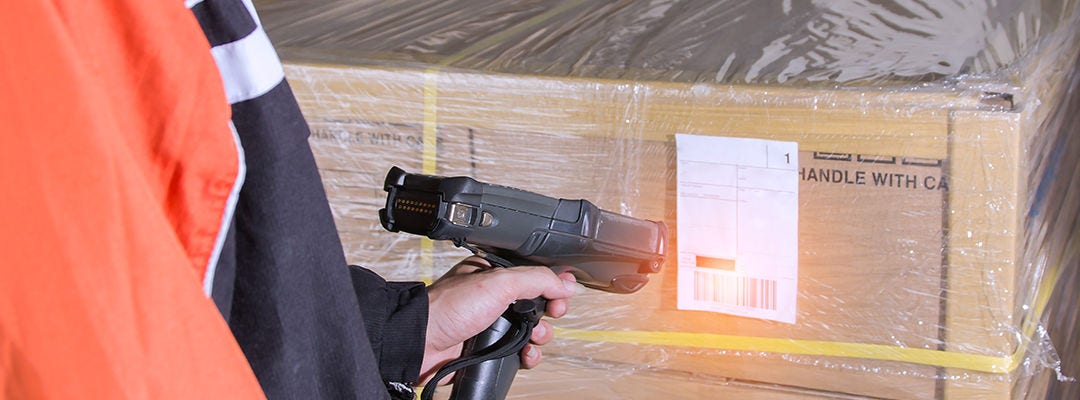
Every shipment should display the correct delivery address, sender and receiver details, shipment reference numbers, and any relevant handling instructions such as Fragile or This Way Up. Labels should remain clearly visible and not be hidden beneath layers of stretch wrap.

Documentation also needs careful attention. Inaccurate commodity descriptions, missing paperwork, or incomplete shipment details can trigger customs queries and unnecessary delays. Getting everything right before dispatch helps goods move more smoothly through clearance and reduces the likelihood of avoidable disruptions.
 

The business cost of damaged freight

When a heavy weight shipment is delayed or damaged, the consequences often extend far beyond replacing the goods.

A production line may sit idle while replacement parts are sourced. Installation engineers could arrive on site with nothing to install. Retailers or distributors may reject late deliveries, leading to additional charges or contractual penalties. Even when freight claims recover some of the financial loss, businesses still absorb the hidden costs of disruption, administration, and lost time.

There's also the customer experience to consider. Missed delivery commitments and damaged goods can affect confidence in your business, making future orders harder to win. Preventing freight damage isn't simply about protecting products – it's about protecting operations, revenue, and reputation.

Preventing freight damage starts before shipping

Most heavy freight problems begin long before a shipment reaches the road or runway. They start with unstable pallets, unsuitable packaging, incomplete paperwork, or loads that weren't prepared for handling.

The good news is that these are all things businesses can control. Standardizing packing processes, training teams on best practice, and working with a logistics partner experienced in heavy weight shipments all help reduce risk before goods even leave the warehouse.

A little extra preparation at the start of the journey can make the difference between a shipment that arrives exactly as planned and one that creates unnecessary disruption across your supply chain.
Freight damage FAQs

Freight damage is most commonly caused by poor packaging, unstable pallet loads, insufficient load securing, handling issues, or inaccurate documentation. While each issue may seem minor on its own, together they can lead to damaged goods, delays, or rejected shipments.

Most freight damage can be prevented through good preparation. Using suitable packaging, building stable pallet loads, securing goods correctly, and ensuring labels and documentation are accurate all help improve shipment reliability.

Responsibility depends on where and how the damage occurred, as well as the agreed shipping terms. That's why it's important to inspect shipments on arrival, document any damage immediately, and notify your carrier as soon as possible to begin the claims process.

With DHL Heavy Weight Express, shipments from 50 kg up to 3,000 kg can move internationally in as little as 1–3 days.

Open a DHL Express Business Account or speak to your Account Manager to find out how it can support your business.