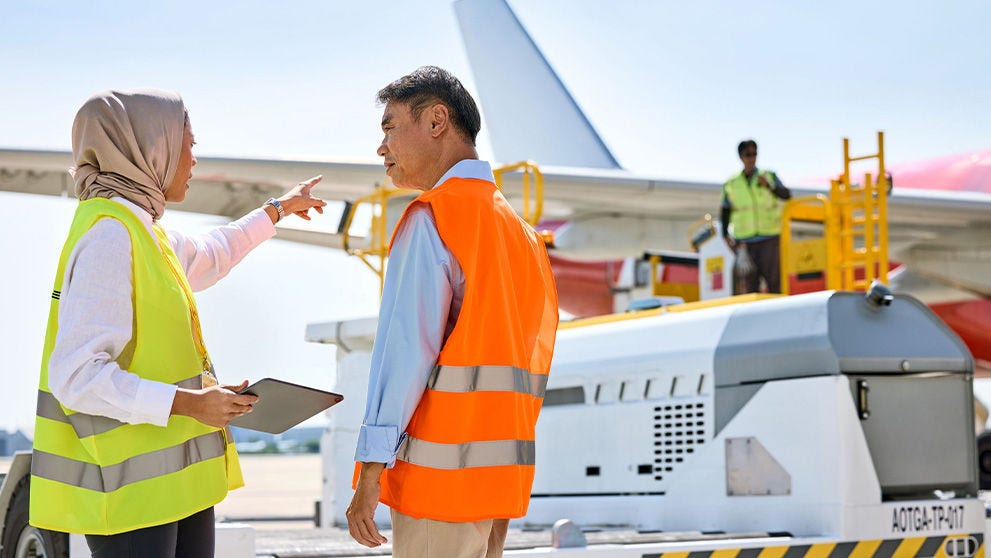
Air freight shipping is the transportation of goods by aircraft, offering businesses a fast way to move products across borders and reach international markets.
Typically arranged through a freight forwarder working with an airline, air freight can be particularly well suited to larger consignments where speed is important. But when shipments are smaller or more time-sensitive, businesses may also consider an international express service such as DHL Express.
While both use air transportation, the services work differently. DHL Express manages shipments through an integrated network from collection to final delivery, offering faster, time-definite delivery and greater predictability over lead times and costs.
In this guide, we'll look at how air freight works, its benefits and costs, and the key differences between traditional air freight and DHL Express.
Airlines transport over 62 million cargo tonnes of goods a year, representing more than 33% of global trade by value.¹
What is air freight?
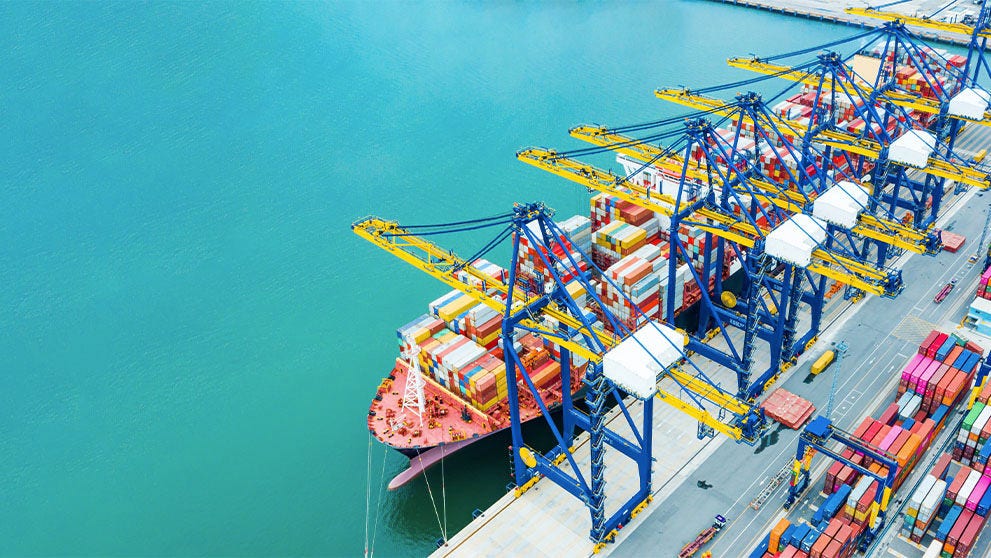
Put simply, air freight (also known as air cargo) is the transportation of commercial goods by air. It plays an important role in global supply chains, helping businesses move products between continents in days rather than the weeks often associated with ocean freight.
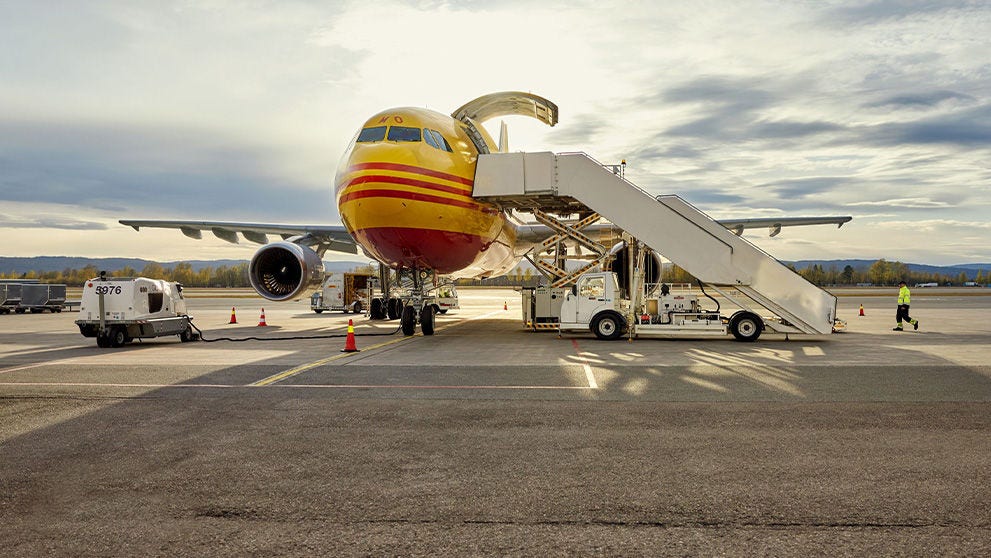
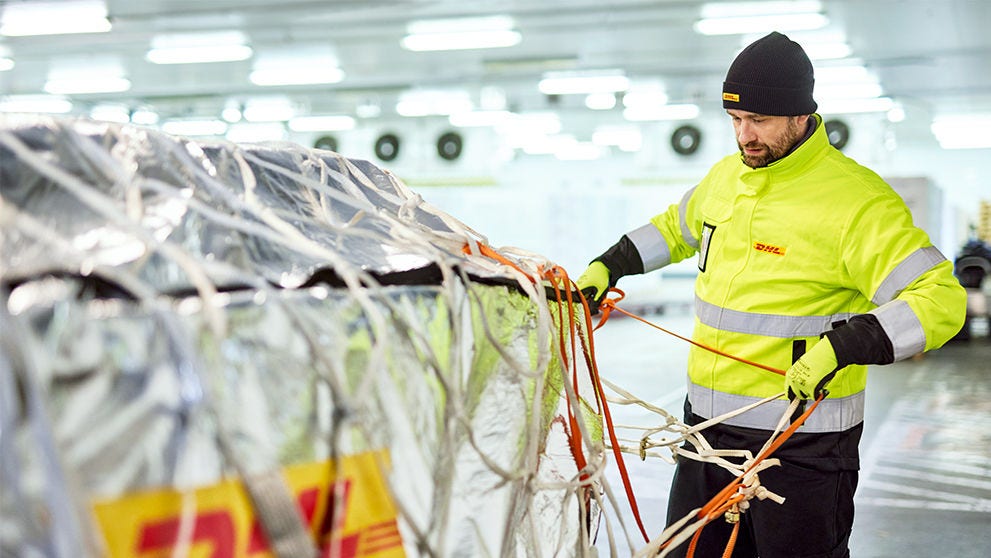
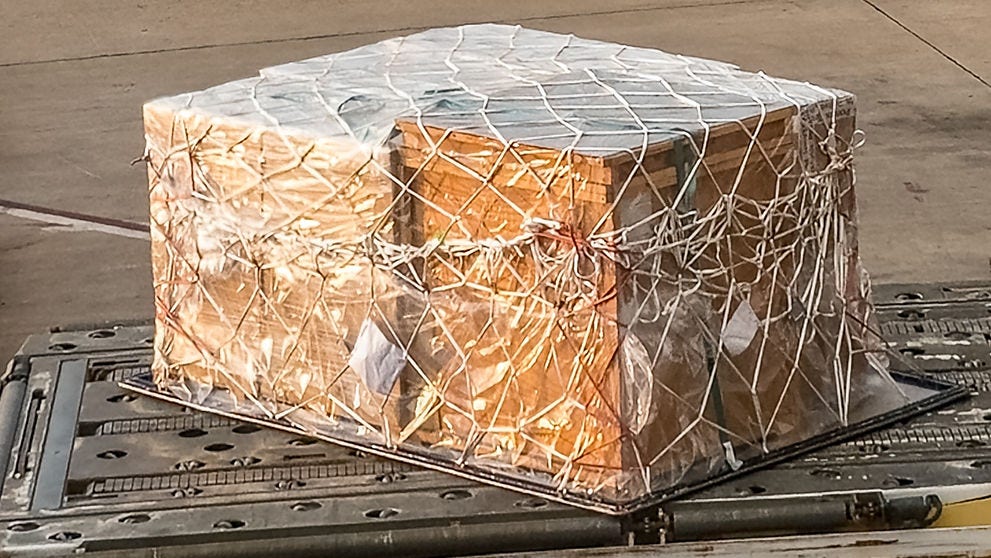
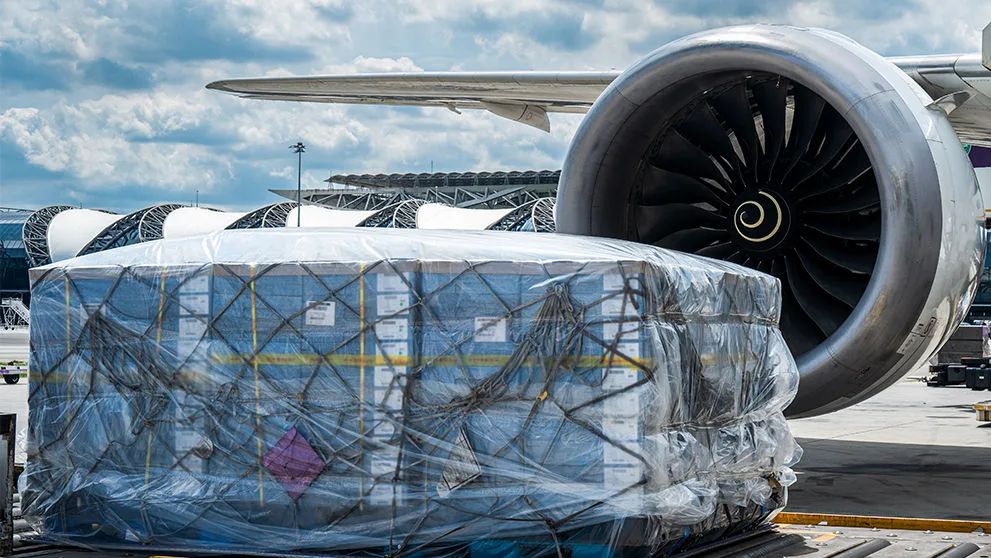
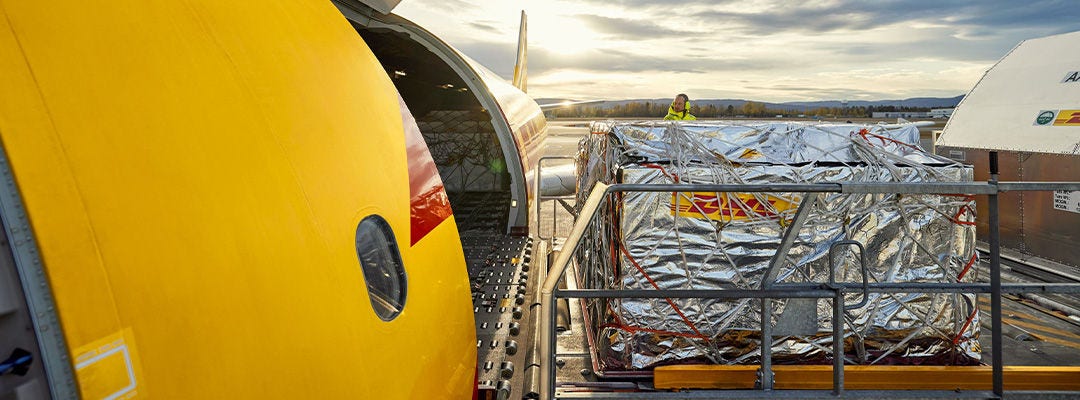
Air freight logistics can involve everything from smaller consignments to large pallets of commercial goods, with cargo traveling in the hold of passenger aircraft – known as belly cargo – or on dedicated freighter aircraft.
Traditional air freight is typically arranged through a freight forwarder, which coordinates transportation with an airline and may work with other providers across different stages of the shipment journey.
For businesses selling internationally, the speed of air transportation can make it particularly useful when inventory needs to reach a new market quickly, a production line needs a replacement part, or a customer simply can't afford to wait.
What are the benefits of air freight?
So, why choose air freight over other forms of international transportation? For many businesses, it comes down to four things.
Speed
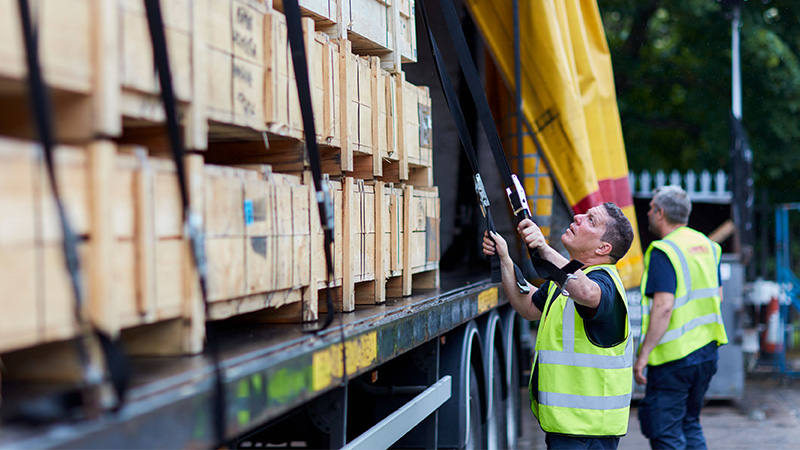
The biggest advantage is simple: air freight is fast. A shipment traveling from China to the US, for example, can take around three days by air compared with roughly 20–30 days by ocean, depending on the route and service.
For businesses working to tight deadlines, those extra weeks can make a significant difference.
Reliability
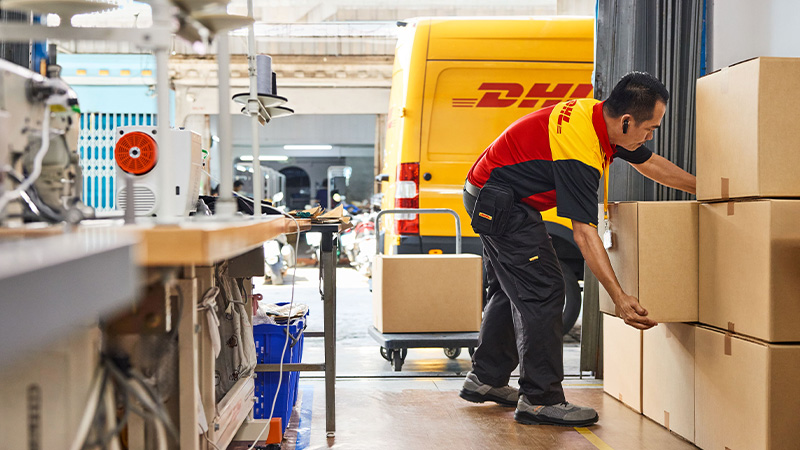
Air freight operates around scheduled flight networks, making transit times relatively predictable. Combined with shipment tracking, this gives businesses greater visibility and makes it easier to plan inventory, production and customer deliveries.
Global reach
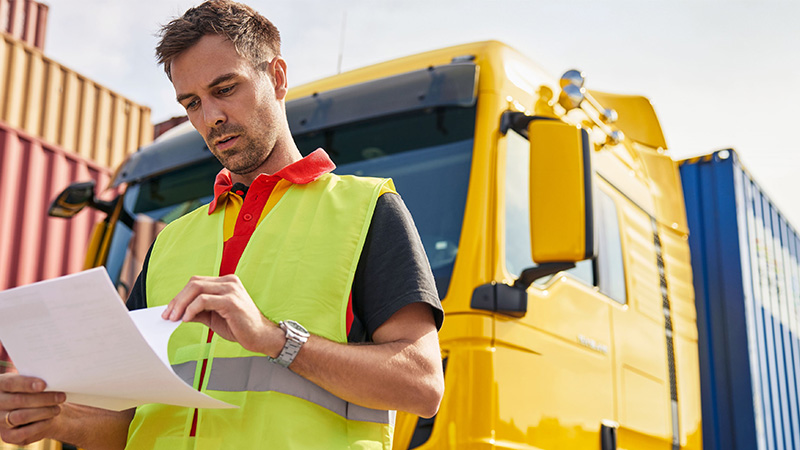
Air freight connects businesses with markets all over the world, helping SMEs reach customers and suppliers far beyond their domestic market.
Security
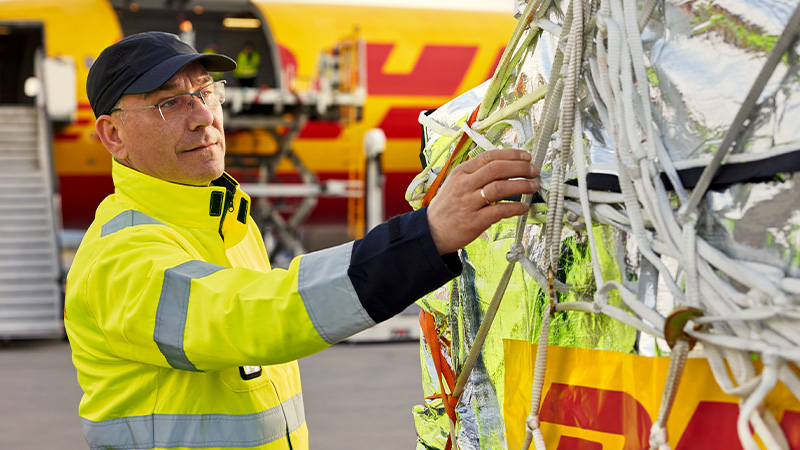
Airports and cargo facilities operate with strict security controls, helping protect goods as they move through the air freight network. This can make air transportation particularly attractive for high-value or sensitive shipments.
When is air freight the right choice? (And when it isn’t)
Air freight isn’t automatically the best option for every shipment. Before choosing it, there are three things worth considering.
Cost
Is air freight expensive? Generally speaking, air freight costs more than ocean freight, but that doesn't necessarily make it the more expensive option overall.
For time-sensitive, high-value or perishable goods, getting products to market days or weeks earlier can outweigh the higher transport cost. Faster transportation can also help businesses respond to unexpected demand or reduce the amount of inventory they need to hold.
Size and weight
Air freight pricing is commonly based on chargeable weight, which takes into account both the actual weight of a shipment and the space it occupies.
That means large, lightweight shipments can sometimes cost more to transport than their actual weight might suggest. For particularly large or heavy consignments, other freight solutions may also be more practical or economical.
Environmental impact
There's no getting around it: air freight typically produces more CO₂ emissions per kilogram than ocean freight.
For businesses where speed makes air transportation necessary, environmental impact may therefore be another consideration when deciding how and when to use it.
Air freight is particularly well suited to:
- Electronics and technology
- Pharmaceuticals and healthcare products
- Perishables such as fresh produce and flowers
- High-value goods
- Time-critical shipments
DHL Express vs traditional air freight: what's the difference?
Both traditional air freight and DHL Express use air transportation to move goods quickly between international markets, but there are important differences in how the services operate.
Traditional air freight is typically arranged through a freight forwarder working with airlines and other providers across different stages of the shipment journey. DHL Express, meanwhile, operates an integrated international network, managing shipments from collection through to customs clearance and final delivery.
For businesses choosing between the two, there are three key differences to consider.
1. Faster, time-definite delivery
Air freight is already one of the fastest ways to move goods internationally. But when every hour counts, DHL Express can help businesses reduce overall lead times.
DHL Express offers international delivery in just 1–3 business days, with time-definite options on eligible routes – including delivery before 09:00, 10:30 or 12:00 on the next possible working day.
This greater certainty over when goods will arrive can be particularly valuable for time-sensitive shipments – whether that's an urgent replacement component, inventory needed for a product launch or an important customer order.
2. An established and secure network
DHL Express operates an established international network designed to move shipments securely across borders.
As an established economic operator across multiple markets, with TAPA-certified operations, DHL Express combines secure handling with established cross-border processes. This can contribute to smoother customs clearance and shorter overall lead times.
And because DHL Express manages the shipment through one integrated network from collection to delivery, businesses benefit from greater continuity across the end-to-end journey.
3. Greater price predictability
Traditional freight rates can be highly responsive to market conditions, with prices potentially changing monthly or even weekly as capacity, demand and geopolitical events fluctuate.
DHL Express can offer contracted rates that remain fixed throughout the year, although applicable surcharges may vary. For businesses shipping regularly, this provides greater visibility and predictability when forecasting logistics costs.
Ultimately, the right option depends on what you're shipping and your priorities. Traditional air freight can be well suited to larger consignments, while DHL Express offers additional speed, security and cost predictability for businesses where time and certainty are particularly important.
Take your business further with DHL Express
For SMEs looking to grow internationally, choosing how to move goods by air isn't simply about finding the fastest flight. Speed, security, cost predictability and the way your shipment is managed from collection to delivery can all make a difference.
With DHL Express, businesses can access time-definite international delivery through an integrated global network, helping them respond quickly to customer demand and reach new markets with greater confidence.
Furthermore, GoGreen Plus allows businesses to reduce the greenhouse gas emissions associated with eligible international shipments through the use of Sustainable Aviation Fuel within DHL Express’ network.
Ready to take your business global? Open a DHL Express Business Account and start shipping internationally.


 Share

Similar Stories