Shipping bulky or industrialized goods internationally? Heavy equipment shipping comes with challenges that standard parcel networks simply aren't built to handle. Here's a simple decision guide to help you decide whether it's time to switch to a dedicated heavy freight shipping solution.
Understanding each readiness factor
1. Shipment profile – when size and weight start to matter
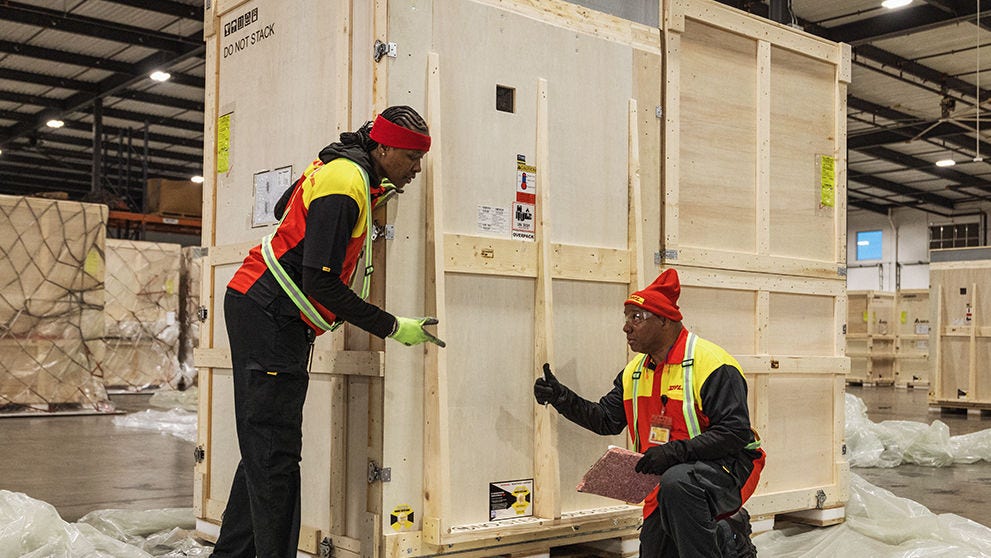
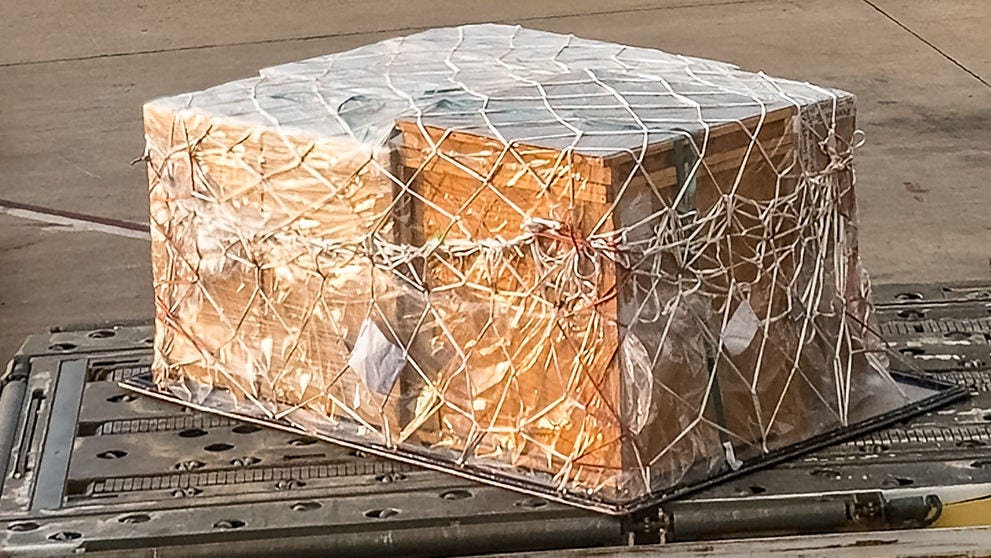
Weight isn't just a pricing consideration; it changes how a shipment moves through the logistics network. As goods become larger, heavier, or more awkward to handle, they often require specialist equipment, different loading procedures, and more robust packaging than standard parcel services are designed for.
If your shipments regularly exceed standard parcel limits or require mechanical handling, it's often a sign that a dedicated heavy weight shipping solution will provide a safer, more reliable fit.
2. Time sensitivity – when downtime isn’t an option
Not every shipment is urgent, but some simply can't afford to arrive late. Replacement parts needed to restart a production line, equipment for a scheduled installation, or machinery supporting a customer launch all have fixed timelines attached to them. In these situations, the cost of a delay usually extends far beyond the transport itself. Lost production time, missed commitments, and costly rescheduling can quickly outweigh any savings made by choosing a slower shipping option. When delivery timing directly affects your operations, speed alone isn't enough – you also need consistency and predictability.
3. Business impact of delays – quantifying what's at stake
Before choosing a shipping service, it's worth asking a simple question: what happens if this shipment arrives a day late? For some businesses, the answer may be "very little." For others, it could mean idle staff, contractual penalties, delayed customer payments, or a manufacturing line waiting for a single component. Looking beyond the transport cost helps put logistics decisions into context. When the financial or operational impact of a delay is high, investing in a more resilient shipping solution can often reduce overall business risk rather than increase costs.
4. Handling complexity – why not all freight is treated equally
Heavy shipments aren't all built the same. Some are robust enough to withstand multiple handling stages, while others contain precision-engineered components, fragile materials, or unusual dimensions that demand greater care throughout the journey. The more specialized the shipment, the more important it becomes to minimize unnecessary handling and ensure everyone involved understands its requirements from collection to delivery.
Choosing a service that's designed to manage complex, high-value freight can help reduce the risk of damage, delays, or rejected shipments before they happen.
5. Supply chain variability – building resilience into freight
Supply chains rarely operate in perfect conditions. Demand changes, suppliers experience delays, customs requirements evolve, and unexpected disruption can affect even the best-laid plans. Businesses that rely on heavy shipments often feel those changes more acutely because replacing industrial equipment or replenishing stock isn't as simple as sending another parcel.
Building resilience means thinking beyond today's shipment and considering how your logistics operation will respond when circumstances change. Reliable delivery and consistent transit times help reduce the need for costly last-minute fixes and emergency shipments.
6. Visibility and control – from reactive to proactive freight management
When a shipment is valuable or time-critical, knowing it left the warehouse isn't enough. Businesses need clear, continuous visibility so they can keep customers informed, plan resources, and respond quickly if something changes during transit. Gaps in tracking often occur when multiple providers handle different stages of the journey, making it harder to identify where delays have occurred or who is responsible for resolving them.
End-to-end visibility helps businesses move from reacting to problems after they've happened to managing shipments proactively, improving planning and giving greater confidence in delivery commitments.
DHL Heavy Weight Express: Ready When You Are
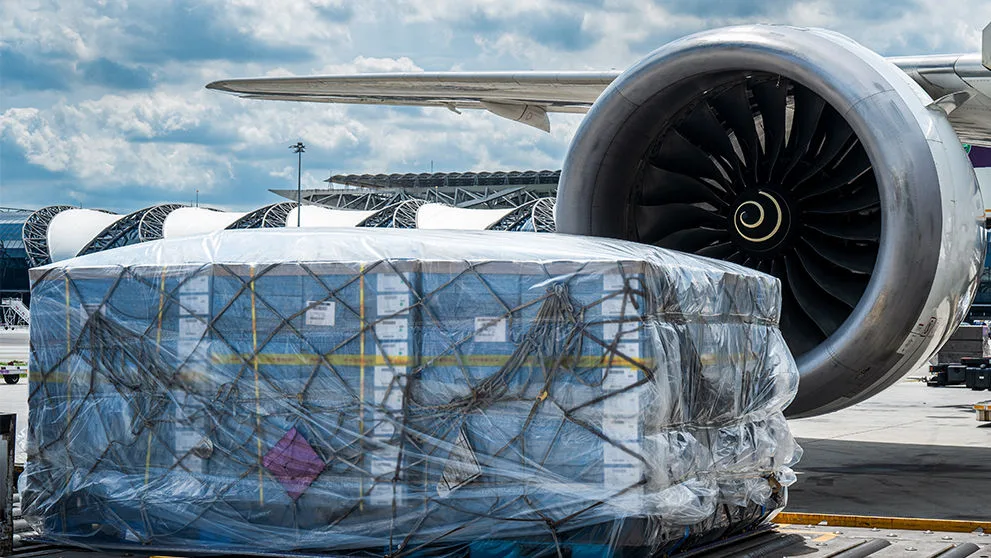
With DHL Heavy Weight Express, shipments from 50 kg up to 3,000 kg can move internationally in as little as 1–3 days.
Open a DHL Express Business Account or speak to your Account Manager to find out how it can support your business.


 Share

Similar Stories