
So, is your business growing? Great! But as order numbers rise, so does the workload. For SMEs, handling shipping in-house can quickly evolve from a practical, low-cost solution to a time-consuming challenge – especially if customers are abroad.
If you're spending more time coordinating deliveries, answering “Where is my order?” emails or resolving customs issues, it might be time to rethink your current setup. Here are five signs that your business has outgrown DIY shipping – plus some tips for what you can do about it.
Sign 1 – You're spending too much time organizing shipments
When you're starting out, handling shipping yourself may work in the early stages of your business. You might compare a few carriers, book a shipment, print a label and hand the package over – job done. But as orders start flowing non-stop, those small tasks can quickly add up.
Suddenly, you're spending hours each week comparing services, booking individual shipments, printing labels, monitoring tracking numbers, and dealing with unexpected issues. And every time something goes wrong – an address needs updating, a delivery is delayed or a shipment gets stuck – someone on your team must resolve it.
The real cost isn't just the time spent on shipping. It's what you or your team could do instead. For a small business, hours spent managing deliveries are hours not spent developing products, engaging with customers or exploring new markets.
A smarter approach: Digital shipping tools can eliminate much of the documentation required throughout the shipping process. With DHL Express, for example, businesses can manage bookings, documentation, and tracking online, while the delivery work is handled by an experienced logistics partner. Less time spent stressing over shipping means more time focused on scaling the business.
Sign 2 – Customers are constantly asking where their orders are
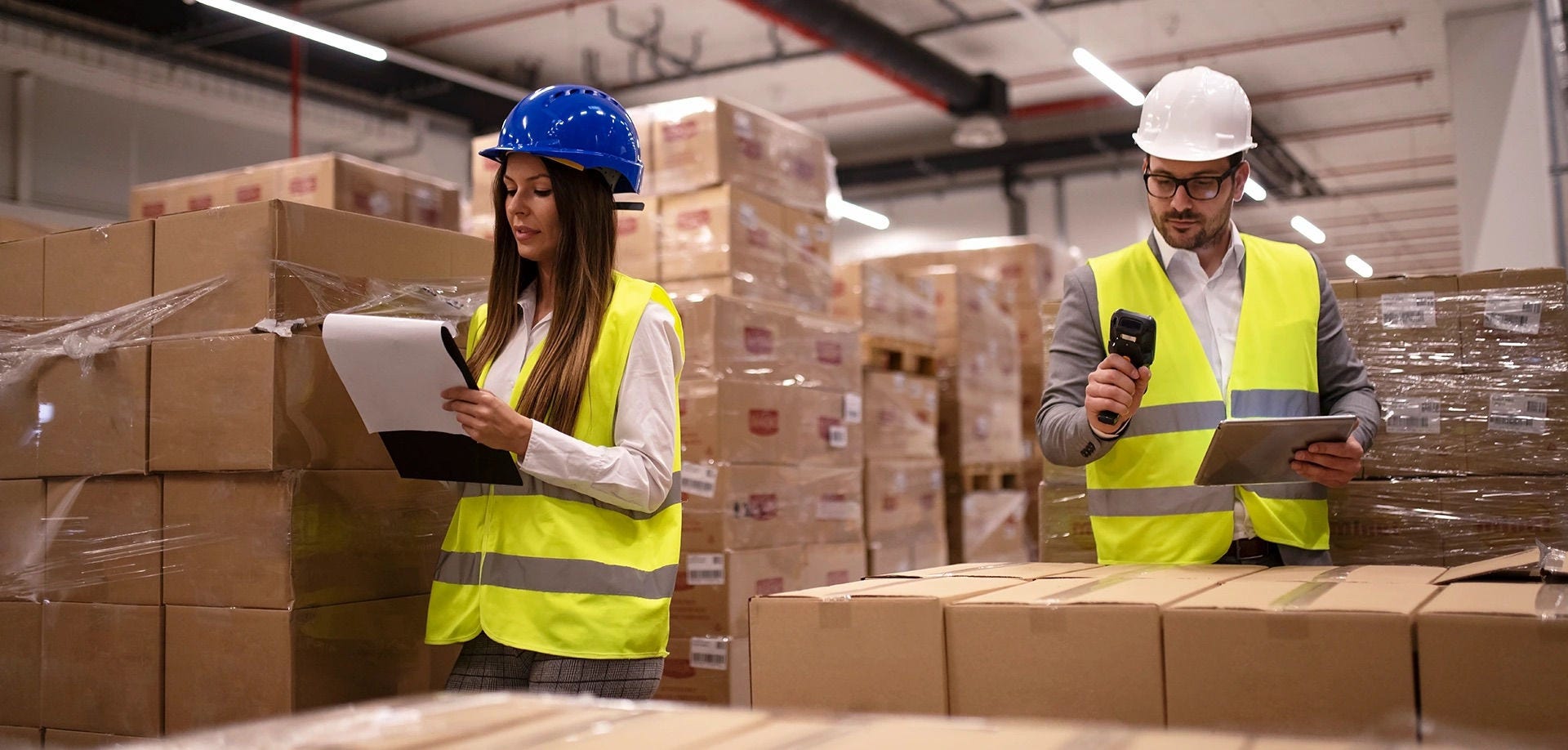
If your inbox is flooded with messages asking, “Where's my order?”, it might be time to upgrade your shipping system. Inadequate tracking can be a major issue when you're using multiple carriers or when shipments pass between different networks. You might know that a shipment has been picked up but then loses visibility at a transfer point or during overseas transit. Your customer wants an update, so your team must contact the carrier manually. And that makes it harder to deliver the e-commerce experience customers now expect. People are used to tracking everything from food deliveries to online orders in real time. If your business can't provide reliable status updates, it can impact customer trust – even if the product itself is excellent.
A smarter approach: End-to-end tracking can relieve this stress from your team. With DHL Express, businesses can monitor shipments throughout transit, making it easier to keep customers informed about where their orders are and when they can expect them to arrive.
Sign 3 – Your international sales are expanding
Managing cross-border orders on an ad-hoc basis can work when you're sending the occasional international shipment. But as international sales become a larger share of your business, the operational challenges multiply. You'll be managing customs declarations,duty or tax assessments, country-specific regulations and longer, more complex routes. And mistakes can have serious consequences. An incorrect HS Code, missing document or vague item description could lead to customs delays, unexpected fees or even a shipment being returned. For a customer buying from you for the first time in another country, a complication at the border damages the first impression.
A smarter approach: This is where an experienced logistics partner can make a real difference. DHL Express combines a global network covering 220+ countries and territories with in-depth customs expertise, helping SMEs navigate the practical challenges of cross-border shipping without having to become customs experts . As your international sales grow, your shipping setup can scale with them.

Sign 4 – Returns are becoming increasingly difficult to handle
Returns are one of those things that are easy to manage when you're starting out. A customer reaches out, someone arranges the return, the item comes back, and a refund is issued. Done.
But returns tend to grow alongside sales. Without a clear strategy, every return can require additional time, coordination and resources: scheduling pickup, keeping the customer updated, processing the refund, inspecting the item, and getting it back into inventory. Multiply across dozens or hundreds of returns and suddenly your team is spending a substantial amount of time dealing with products that have already been sold.
There's a financial impact, too. Unmanaged returns can hurt your bottom line and create inconsistent customer experiences. And when you're trying to scale, the last thing you need is a process that becomes more complicated every time your sales increase.
A smarter way: Build returns into your shipping process from day one, rather than treating them as an afterthought. A trusted logistics partner can help create a more streamlined return workflow, making it easier for both your team and your customers to manage shipments coming back as well as going out.
Sign 5 – Shipping mistakes are starting to take a financial toll
At low volumes, occasional mistakes may be manageable. A shipment gets the wrong label; someone books the wrong service, or a package isn't quite prepared for the carrier's guidelines. You resolve it and move on.
But when you're shipping hundreds of orders, small error rates turn into significant figures. If just 1% of your shipments have an issue and you're sending 500 orders a month, that's five problems every month – each one requiring someone to investigate, fix and potentially explain the situation to a customer.
Common mistakes include incorrect addresses, inadequate packaging, choosing a service that doesn't meet the required delivery window, and overlooking customs regulations on international orders. And the cost isn't always obvious. Alongside the direct cost of fixing the problem, there's the potential loss of customer trust. A great product can still receive a poor review if it arrives late, damaged or not at all.
A smarter way: The right shipping partner can help minimize manual tasks for your team. With DHL Express, businesses can access a range of international shipping services, end-to-end tracking and built-in customs expertise, with digital tools to help simplify the booking and management process. That's invaluable as your order volume expands, and there's less margin for errors.

When it's time to transition to a smarter shipping solution
If any of these issues sound familiar, it doesn't necessarily mean you've got shipping wrong. It may simply mean your business has reached the point where the methods that worked when you were smaller no longer hold up at the same scale.
Think of it as a quick checklist:
You're spending too much time organizing shipments:
Shipping documentation consumes your team's working day.
Customers are asking where their orders are:
Your current tracking system isn't providing them with enough detail.
International sales are growing:
Customs and cross-border regulations are becoming increasingly complex to handle.
Returns are getting complicated:
Handling returns is turning into a manual, case-by-case chore.
Shipping mistakes are costing you:
Mistakes are happening often enough to impact your time, margins or customer trust.
This is where DHL Express can help. Its global network reaches 220+ countries and territories, with end-to-end shipment tracking and digital tools for managing deliveries. Customs expertise is built into the service, helping SMEs navigate the challenges of international trade.
And as your shipping volume expands, a DHL Express Business Account can provide you with shipping tools and volume-based rates. In other words, you don't have to build an even more complex shipping setup yourself. You can let your logistics partner handle the hard work while you focus on the much more rewarding task of growing.


 Share