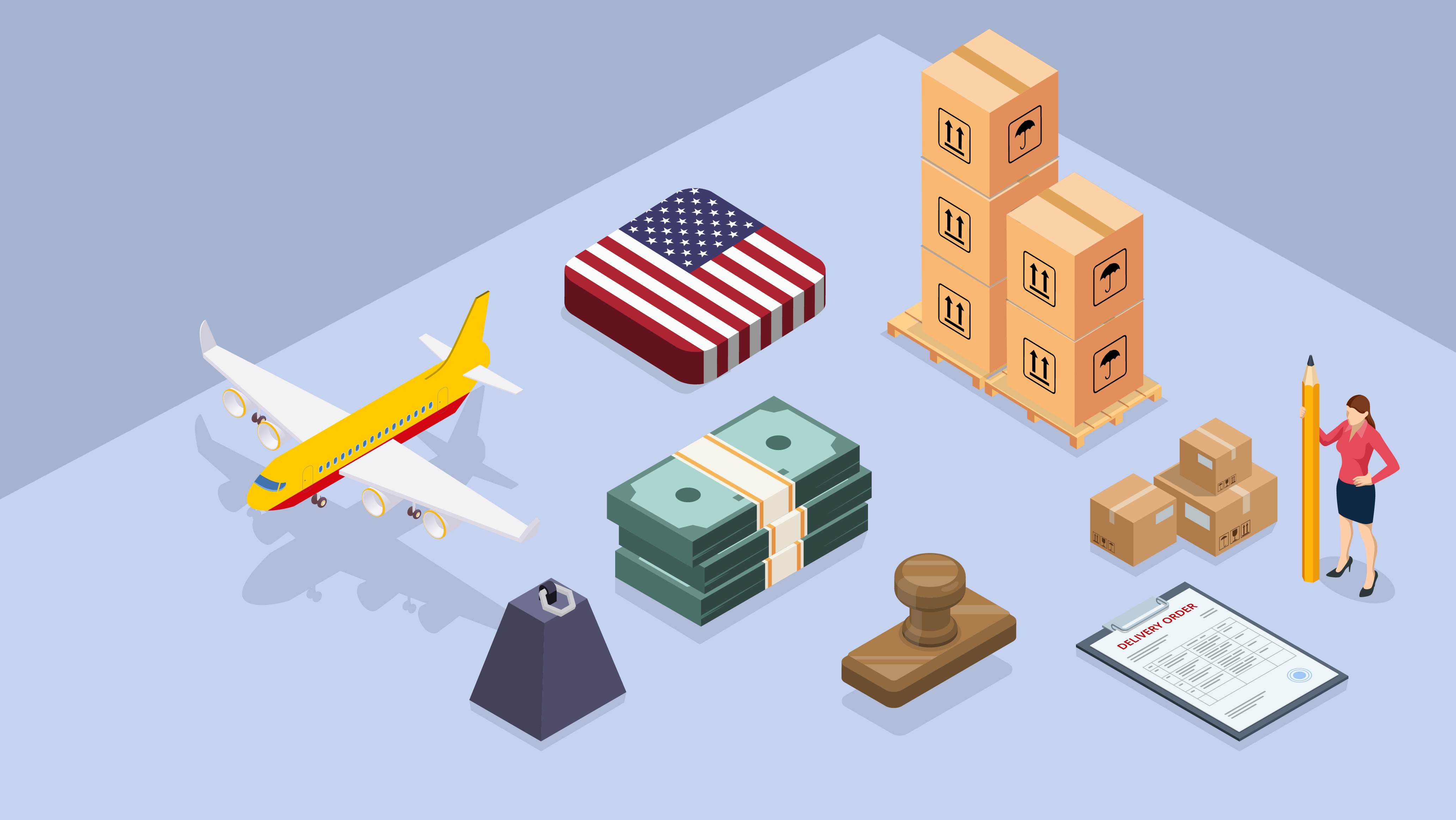
New Zealand is a globally connected trading nation, but its geographic isolation creates unique and persistent logistical challenges. Reliance on air and seaports, long transit distances, and strict compliance with international trade standards mean that businesses here face distinct logistical challenges. This article breaks down what logistical issues are, the common challenges in logistics, and offers practical supply chain solutions to help New Zealand businesses adapt, thrive, and stay competitive.
Challenge 1: Geographic isolation and long transit times
Due to New Zealand’s geography, exporters often face logistical challenges, resulting in high costs and long lead times for international trade. The distance makes long transit distances a significant burden. At the same time, reliance on major ports1 (such as Auckland and Tauranga) can make port congestion more disruptive across the entire national supply chain.
To tackle this challenge, businesses are encouraged to prioritize logistics partners with global air networks. This approach can significantly reduce delivery windows, often enabling shipments from NZ to Asia or the US within several days.
Additionally, using time-definite express options is advisable. These services help guarantee delivery timelines for perishable and high-value exports, effectively mitigating the financial risk associated with lengthy standard transit times.
Challenge 2: Sustainability and environmental pressures
The spotlight on environmental sustainability is now more intense than ever in the logistics industry, which accounts for 8-10% of global greenhouse gas emissions2. This is mainly due to the industry's heavy reliance on fossil fuels for shipping goods worldwide.
On top of that, to achieve its net-zero 2050 target3, New Zealand is facing intense pressure from government mandates and a highly eco-conscious consumer base. Since logistics is a major contributor to emissions, the industry must adapt, making this a significant logistics challenge for all sectors.
Key export sectors, such as dairy, wine, and horticulture, are under increasing pressure from international buyers to prove their sustainability credentials4 across the entire supply chain. This is compounded by consumer demand, as shoppers prefer brands that offer visible eco-focused solutions5, which necessitates a fundamental shift in sustainable logistics practices.
To meet these demands, businesses are encouraged to:
- Adopt carbon insetting: Utilize DHL Express' GoGreen Plus services, which offer carbon insetting. This means investing directly in Sustainable Aviation Fuel (SAF) to reduce the carbon emissions associated with specific shipments, providing traceable sustainability benefits.
- Implement eco-packaging: Implement sustainable packaging solutions for exports, ensuring materials are recyclable or biodegradable to meet consumer demands and regulatory requirements.
Challenge 3: Rising costs and economic pressures
The logistics industry shows sustained economic pressure, with global inflation, higher fuel surcharges, and labor shortages driving up shipping costs. These logistics difficulties6 pose major problems in logistics and disproportionately impact smaller businesses in New Zealand that lack the scale to absorb price increases.
To manage these logistics problems, businesses are encouraged to embrace the following solutions:
- Adopt shipping automation: Implement digital tools (like MyDHL+) to automate repetitive tasks such as labeling, quoting, and tracking. This directly lowers overhead costs by saving staff time and reducing manual errors.
- Explore volume-based pricing: Actively explore volume-based pricing models and DHL Express account perks to negotiate better rates, providing a crucial advantage in managing overall problems in logistics and supply chain management.
Challenge 4: Regulatory and compliance changes
The regulatory landscape affecting current logistics operations is constantly shifting, making compliance a continuous task. This presents problems in logistics and supply chain management for New Zealand businesses, particularly with local issues that can disrupt the entire international shipping process.
For instance, compliance with the Ministry for Primary Industries (MPI) biosecurity rules7 is non-negotiable. Failure to comply with these shipping restrictions can result in significant delays and higher costs. Businesses may also face new sustainability and tax reporting requirements, requiring meticulous attention to export documents and customs updates related to new trade agreements.
To simplify the process, businesses are encouraged to rely on logistics partners that offer a centralized compliance system. Alternatively, using DHL Express’ Duty Taxes Paid (DTP) services simplifies customs clearance in export markets, ensuring the receiver doesn't face unexpected fees.
Challenge 5: Digital adoption gaps among NZ SMEs
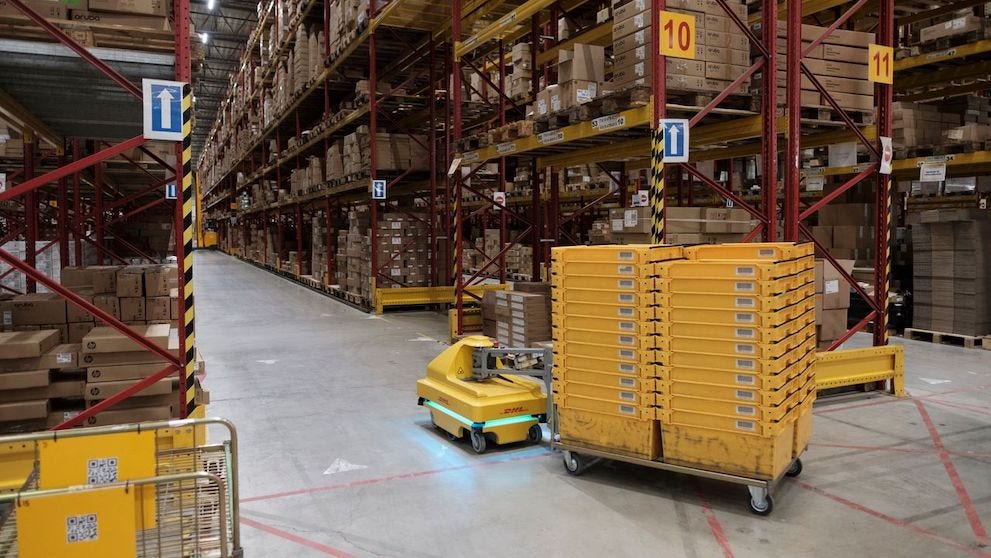
A common issue in logistics and supply chain management for small and medium-sized enterprises (SMEs) is a lag in digital integration. Many smaller businesses still rely on manual processes, resulting in poor visibility, errors, and missed market opportunities.
This lack of integrated digital systems means poor visibility into stock and shipment locations, making it impossible to proactively address current logistics issues. At the same time, this reliance on manual processes makes it difficult for businesses to scale quickly to meet new international demand.
To solve this, businesses should leverage Logistics APIs, such as the DHL Express API, to connect e-commerce platforms directly to the logistics system. Additionally, for perishable and sensitive goods, utilizing IoT-enabled tracking provides enhanced visibility and temperature monitoring throughout the shipping process.
How NZ businesses can stay competitive
Staying competitive in 2026 demands a proactive stance against these global logistics problems. Businesses can stay competitive with the following strategies:
- Build resilience: Invest in multi-sourcing and agile processes to reduce reliance on single trade lanes.
- Invest in sustainability and digital tools: Prioritize digital transformation to close adoption gaps and integrate sustainable logistics practices into core operations.
- Stay compliant: Maintain a clear focus on the documents required for export and biosecurity regulations to prevent costly border issues.
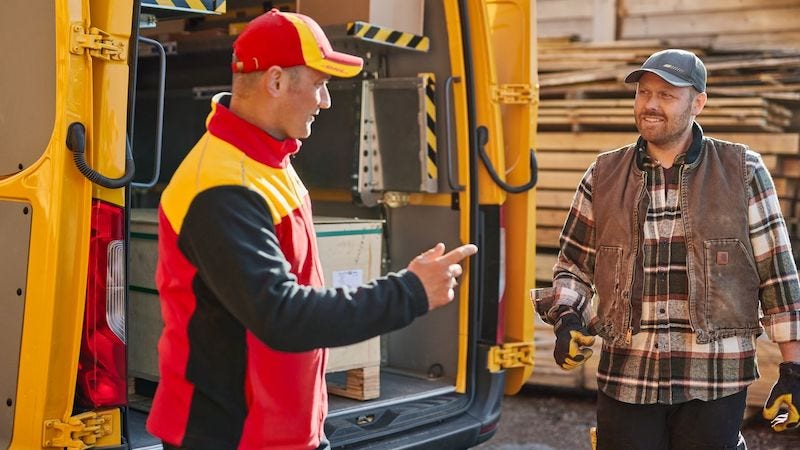
Embrace the future confidently with DHL Express
As New Zealand businesses navigate the logistical complexities of 2026, the support of a strategic partner is vital. DHL Express New Zealand provides the expertise to overcome challenges like geographic isolation and rising costs.
DHL Express can support your business with targeted solutions designed for global trade. For instance, time-definite delivery ensures your goods arrive quickly, often reaching major markets such as Asia and the US within several days. The service also uses advanced digital tools for total online shipment tracking, giving you and your customers complete visibility and control over your international shipments.
DHL Express also assists businesses with GoGreen Plus (carbon insetting) to address environmental pressures while simplifying NZ’s customs clearance processes to manage regulatory hurdles. By partnering with DHL Express, you gain the infrastructure and expertise needed to confidently future-proof your supply chain.
Open a DHL Express business account today and start shipping with confidence.


 Share
Share
Similar Stories