#SmallBusinessAdvice


 Share
Share
Accepting cryptocurrency payments for businesses in 2026: What NZ exporters should know
5 Mins Read
Share

Cross-border commerce moves fast, and exporters need payment methods that keep pace with global buyers. Cryptocurrency is one option gaining traction because it promises quicker international settlement and more accessible transactions.
At its core, cryptocurrency is a digital asset used for buying, selling, or transferring value. For those wondering “how does crypto work?”, blockchain, the underlying technology, is a shared digital ledger that records transactions securely.
It’s also useful to distinguish between digital currency vs cryptocurrency. Digital currency refers broadly to any money that exists electronically, such as online bank transfers or digital wallets, including cryptocurrency. Cryptocurrency is a specific type of digital currency.
For businesses, the real question is not ‘what is crypto?’ but ‘when does it make sense to use it as part of an international payment strategy?’
And payment strategy is only one part of the wider export journey. Today’s international customers expect fast payments and fast delivery. That means exporters need not only efficient payment options, but also a trusted delivery partner with a world-class network to meet those expectations.
Why crypto matters for NZ businesses that trade internationally
Traditional cross-border payments can be slow and costly for businesses operating in global markets. Transfers often pass through multiple banks, adding delays, FX layers, and uncertainty. Cryptocurrency aims to reduce this friction by enabling faster settlement across borders without relying entirely on traditional financial intermediaries.
This matters even more for New Zealand exporters because New Zealand is geographically distant from major international markets. Since exporters often receive payment only after goods arrive or delivery milestones are met, long shipping routes naturally extend the time before payment even starts to process. When international payments then take several extra days to clear, the total wait before funds are received becomes significantly longer.
FX spreads and intermediary bank fees can also reduce margins, and time zone differences may push settlement into the next business day. At the same time, international customers expect fast, modern payment options regardless of where a business is based.
In practice, these pressures show up in everyday scenarios: selling consumer goods to the US or UK, receiving payments for digital services from South-East Asia clients, or paying international suppliers without waiting for multiple banking cut-offs. For businesses that combine digital services with physical goods, such as software firms with branded merchandise, accepting crypto or using a crypto-enabled payment processor can introduce more flexibility at checkout.
Taken together, these factors show why cryptocurrency is being considered as a way to reduce payment friction in global commerce.
How cryptocurrency works in cross-border payments
Cryptocurrency payments move from one digital wallet to another. A wallet is a secure application that stores the keys needed to send or receive crypto. Businesses can manage their own wallets or use a payment processor that handles the technical side.
To accept crypto from international buyers, a business typically uses one of two methods:
- Direct acceptance: The customer pays in cryptocurrency, and the business receives it directly into a wallet. The business manages conversion to NZD through an exchange when needed.
- Payment processor: A third-party provider accepts the customer’s crypto and instantly converts it to NZD before depositing funds into the business’s account. This removes most volatility for the business.
Settlement speed varies by cryptocurrency. Most major networks confirm transactions within seconds, although some may take longer depending on network congestion and fees. Unlike card payments, crypto transactions are irreversible once confirmed, which reduces chargeback risks but increases the need for strong internal controls.
Blockchain matters because it creates a transparent record of each transaction. For businesses, this supports trust, clear audit trails, and simplified reconciliation, although crypto accounting still requires specialized handling.
Before accepting cryptocurrency, exporters should understand transaction fees, confirmation times, and how exchange rates will be managed.
Crypto vs traditional payments for international trade: Benefits for exporters
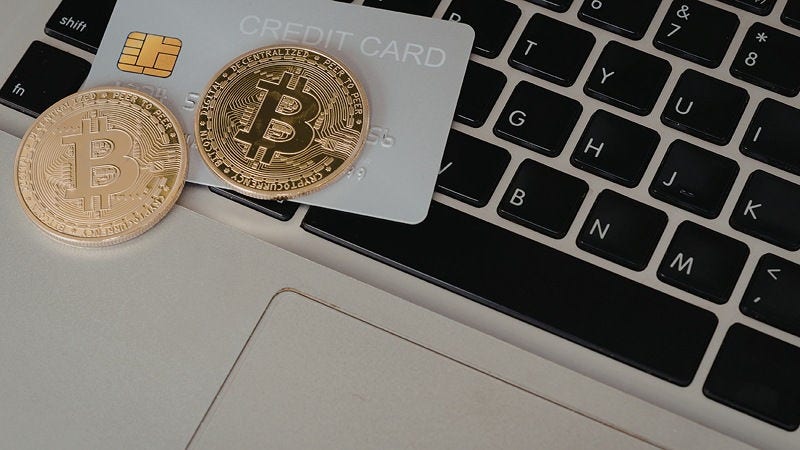
Cryptocurrency can offer several business-focused benefits, especially for companies trading across borders.
- Faster settlement and improved cash flow: International wire transfers can take several days to clear. Crypto transfers typically settle in seconds, which helps small exporters minimize working capital gaps.
- Access to customers who prefer crypto payment options: Some international buyers, especially in digital-first markets, prefer paying with crypto. Offering more options can increase conversion rates.
- Potentially lower transaction fees: Depending on the chain, network conditions, and payment processor, fees may be lower than traditional FX charges or card processing costs.
- Reduced chargeback risk: Because crypto transactions cannot be reversed without mutual agreement, exporters face fewer disputes compared to card payments.
These benefits apply no matter which acceptance method is used, though the operational requirements differ between direct acceptance and working with a payment processor. A business that accepts crypto directly will navigate volatility and custody themselves, while those using a payment processor may trade flexibility for stability. Understanding these trade-offs ensures exporters choose a model that supports their operational goals.
The risks businesses need to understand before using crypto
Exporters should carefully assess the risks associated with cryptocurrency before adding it to their payment ecosystem. Clear understanding builds trust and helps ensure responsible adoption.
- Volatility and pricing risk: Crypto prices can change rapidly. If businesses accept payment in crypto and delay conversion to NZD, the value received could fluctuate significantly.
- Compliance and regulatory uncertainty: Rules vary across markets and continue to evolve. Businesses must ensure they comply with financial reporting, AML (anti-money laundering) requirements, and cross-border commerce rules.
- Fraud and scams: Threats such as fake payment confirmations, compromised wallets, and phishing attacks require strong safeguards, including multi-factor authentication and strict key management.
- Accounting and tax implications: According to New Zealand’s Inland Revenue Department (IRD), crypto is often treated as property for tax purposes, which affects how gains, losses, and transaction values are recorded.1 This can increase administrative complexity.
- Custody and wallet management responsibilities: Businesses holding crypto directly must secure private keys. Losing access means losing funds permanently.
Practical ways to control risk include auto-converting incoming payments to NZD, pricing goods in NZD rather than crypto amounts, using reputable payment processors, and establishing strict internal security procedures. Businesses should consult professional advisers for tax and accounting guidance before implementing crypto payments.
How to decide if crypto payments make sense for your business
This short decision guide helps exporters assess whether cryptocurrency aligns with their commercial priorities.
Ask yourself:
- Are your customers international? While crypto can be used for local payments, its biggest advantages show up in cross-border transactions, where traditional banking can be slower, more costly, or less consistent.
- Do you face high FX or transaction fees? If FX spreads significantly reduce margins, crypto-based payments or processors might present savings.
- Can you manage volatility risk? Businesses must decide whether to hold crypto or convert immediately.
- Do you have accounting capability? Crypto introduces additional reporting considerations that must fit into existing workflows.
- Can you handle security responsibilities? Direct acceptance requires strong operational security and staff training.
Exporters can use these questions to re-evaluate their payment strategy before making any decisions.
Building a cross-border business
Crypto may streamline global payments, but exporting success also depends on reliable shipping and delivery, predictable transit times, and a logistics partner with global reach. Smooth payment processing is only one half of the customer experience. The other half is ensuring every shipment, from samples to bulk orders, arrives securely and on time.
DHL Express supports New Zealand exporters with a world-class delivery network, fast international transit, and tools that simplify global trade. For any business operating across borders, pairing the right payment options with trusted logistics creates a stronger, more resilient cross-border operation.
Open a business account with DHL Express today.
Share
Similar Stories