Starting your own business is thrilling—but it also means that everything falls on your shoulders. Every decision, task, and minute is yours to manage. That sense of ownership is rewarding, but it can also feel overwhelming.
In today’s fast-paced digital world, especially in e-commerce, speed and accuracy are crucial. Customers expect quick responses, orders need to be fulfilled fast, and as a solo entrepreneur, you’re under pressure to do more with less. How do you stay on top and avoid burnout?
The key is a two-fold approach: optimize your personal productivity and use the right tools to make your business run smoother.

1. Understand what being solo entails
Working for yourself means you set your own rules. Deadlines and priorities aren’t handed to you—they’re yours to create. Recognize early that success requires discipline, adaptability, and knowing your own limits.

2. Treat your time like a strategy
Alongside your business plan, create a time plan. Outline your priorities for the year, month, and day. Clear goals help you decide where to focus your energy.
Consider outsourcing tasks that don’t directly drive growth. This lets you dedicate your energy to activities that matter most—whether that’s revenue-generating work or moving your business forward.

3. Delegate before it overwhelms you
Even the most successful founders don’t do everything themselves. Identify your strengths and outsource or automate the rest—marketing, admin, or customer support. Even a small budget can go a long way with freelance support or affordable tools. Trying to do it all yourself slows you down.

4. Plan your days effectively
A long to-do list can feel endless. Instead, pick a few high-impact tasks each day and schedule them in. Group similar tasks to reduce the mental cost of switching between activities. Tools like Google Calendar or Trello help, but don’t forget to leave room for unexpected tasks or creative thinking.

5. Stay close to your customers
When your team is small—or non-existent—every customer interaction counts. Respond to messages quickly, answer questions promptly, and build trust through responsiveness. Loyal customers are one of your most valuable assets.
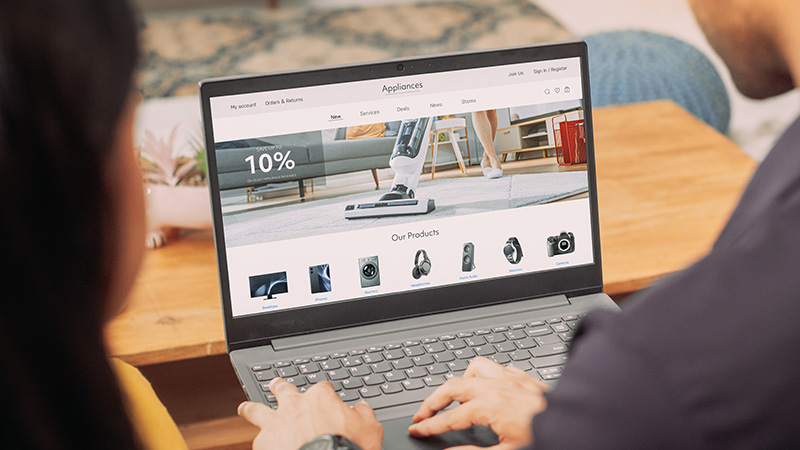
6. Automate wisely
You don’t need to reinvent the wheel. Platforms like Shopify can handle inventory, payments, and delivery with minimal effort. But focus on automating the right things. Efficiency shouldn’t replace a personal touch—it should enhance it.

7. Keep your brand human
Automation is helpful, but speed shouldn’t make your business feel robotic. Use technology to personalize interactions. Platforms like Magento 2 or Monetate can recommend products to customers based on their behavior—like having a virtual salesperson who knows them.

8. Embrace new tools for time-saving
AI chatbots, conversational interfaces, and subscription models can take repetitive tasks off your plate and create predictable revenue. These tools let you shift from reacting to planning, giving you more space to focus on growth.

9. Let data guide your decisions
Data tools help you keep product info accurate, track trends, and predict customer needs. Instead of guessing what to stock or promote, rely on analytics to make informed choices that save time and reduce risk.

10. Take moments to reflect
Running a solo business is demanding, so pause regularly. Review what’s working, tidy your workspace, and ask: Are your actions moving you closer to your goals? Learn from mistakes, celebrate wins, and adjust your plan when needed.
“To succeed, jump as quickly at opportunities as you do at conclusions.”
— Benjamin Franklin
Being a solo entrepreneur doesn’t mean doing everything yourself—it means spending your energy smartly. Combine sharper habits with the right tools, and you’ll turn minutes into momentum.
From smarter shipping to global support, DHL Express can help you streamline operations, save time, and focus on what matters most: building your business.


 Share
Share
Similar Stories