This article covers
Mapping a domestic shipping framework within Brazil's expansive territory
The key operational differences between local fulfillment and international trade
Strategic delivery windows and how to calculate shipping timelines
Tactical pricing, packaging, and reverse logistics workflows for Brazilian small businesses
What is domestic shipping?
Domestic shipping refers to the movement of goods between two points within a country’s borders. For example, a retailer based in London, UK sending products to a customer in another UK city is domestic shipping. Often, domestic services are extremely fast.
What is domestic shipping?
Domestic shipping refers to the physical movement of commercial goods between two points located entirely within a single country's sovereign borders. For example, a digital retailer based in São Paulo sending a consumer electronics package to a buyer in Rio de Janeiro or Belo Horizonte is executing domestic shipping.
Because these items move within domestic boundaries, they bypass cross-border customs agents entirely, allowing express transport providers to offer rapid delivery options as standard.
Domestic vs. international shipping: What are the differences?
International shipping is the movement of commercial cargo between different countries, forcing packages to cross formal geopolitical borders.
Understandably, cross-border logistics represents a larger, significantly more complex operational workflow than domestic shipping due to strict international regulations, tax compliance registries, and customs documentation requirements.
While domestic dispatches only require a localized fiscal invoice (Nota Fiscal Eletrônica), international lines demand Harmonized System (HS) code classification, detailed commercial invoices, and rigorous border clearance by the Receita Federal.
How long does domestic shipping take in Brazil?
Domestic shipping transit times depend directly on the geographic distance between your warehouse and the destination address, your chosen transport carrier, and the specific service tier selected at checkout.
While traditional public postal services (Correios) can take anywhere from 3 to 15 business days to bridge distant states via standard ground networks (PAC), specialized express carriers routinely provide next-day delivery as standard across major corporate capitals. Moving your inventory via dedicated air express networks ensures your storefront satisfies rising consumer demands for speed.
What are the benefits of domestic shipping for your business?
For Brazilian small businesses and start-ups, launching through domestic shipping channels is the safest place to begin your commercial journey. Managing regional routes involves significantly less administrative burden than international trade because there are no foreign customs forms or destination tariffs to evaluate.
This streamlined workflow leaves your management team with more time to focus on product development, inventory positioning, and the many other demands that a new business faces.
Furthermore, domestic shipping affords much stronger quality control over your supply chain. Your operations team can easily execute on-site quality inspections when your manufacturing suppliers are closer, while any unexpected customer friction—such as an order going missing in transit—can be investigated and resolved quickly.
Most importantly, optimizing local fulfillment pathways unlocks fast delivery speeds. If there is one variable your digital customers prioritize above all else, it is receiving their purchases via a speedy, predictable delivery.
Once your brand has conquered domestic shipping and stabilized local operations, you can securely scale your exports globally with support from international logistics experts like DHL.
Planning your domestic shipping strategy: Best practices for Brazilian e-commerce
Whether your enterprise has just processed its very first batch of online orders or is rapidly scaling its weekly volume, a well-planned fulfillment strategy is the key to meeting modern customer expectations and saving your business time. Implement these six core logistics best practices to optimize your regional distribution:

Think speed
1. Prioritize transit speed
It will come as no surprise to your sales team that online consumers consistently place a premium on delivery speed when purchasing goods online. According to e-commerce benchmark data from ABCOMM, long transit windows are an immediate trigger for checkout abandonment. Offering your buyers an expedited air express option directly at your digital checkout ensures they enjoy an excellent customer experience with your brand, driving repeat purchases and long-term loyalty.
Offer customers flexible delivery
2. Offer flexible delivery choices
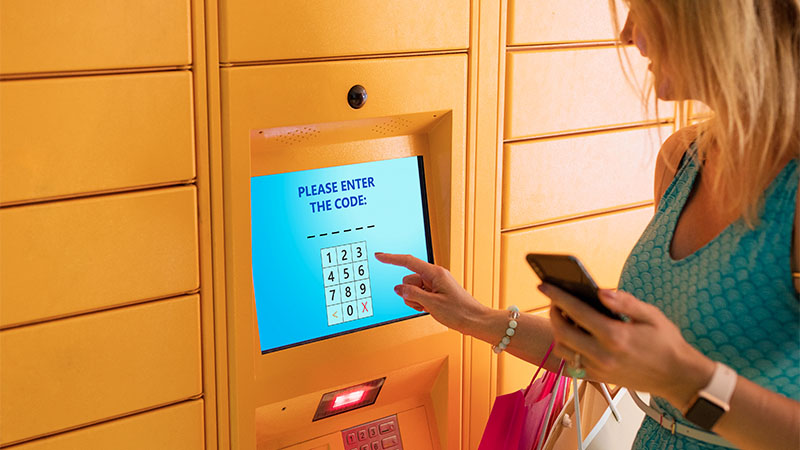
Modern shoppers require absolute control over when and where they receive their merchandise. A consumer might know they will be away from home during the day and prefer the option to divert their delivery to their office address, a secure commercial locker, or a neighborhood pickup point. Alternatively, budget-conscious buyers might choose to save money by selecting a slower, lower-cost ground delivery.
The more flexible delivery choices you can display at checkout, the less likely users are to become frustrated by rigid shipping rules and abandon their purchases entirely. Partnering with a logistics provider that maintains an extensive, nationwide fulfillment network helps your business satisfy these diverse delivery expectations seamlessly.

Evaluate your products – and then pack accordingly
3. Optimize your packaging to reduce volumetric weight
Because express transport providers calculate freight costs based on volumetric weight rather than simple deadweight, your choice of packaging directly impacts your operational expenses. To protect your profit margins, your warehouse team must pack products inside appropriately sized boxes, eliminating excessive interior space and heavy filler. Furthermore, integrating automated labeling software into local ERPs like Bling or Tiny saves valuable administrative time and eliminates manual address typos before the courier arrives.
Decide how to charge customers
4. Decide how to charge customers for shipping
Industry research indicates that up to 66% of modern digital consumers expect free shipping to be available on every online purchase they make. While absorbing the cost of frete can initially seem like a heavy financial expense for an emerging start-up, it operates as a highly effective customer acquisition tool. In fact, roughly 60% of e-commerce business owners report that structuring "free shipping with conditions"—such as establishing a minimum order value—stands out as their most successful marketing tool.
Alternatively, your store can implement a flat-rate shipping fee or feature real-time, carrier-calculated shipping fees during checkout. While these fee structures are cheaper for your backend ledger, they can drastically lower your conversion rates if the final delivery cost shocks the consumer.
Finding the right pricing balance requires continuous optimization and trial-and-error testing. The golden rule is to always maintain complete cost transparency; never surprise your customers with hidden logistics fees at the final payment window.
Think green
5. Build green credentials into your logistics
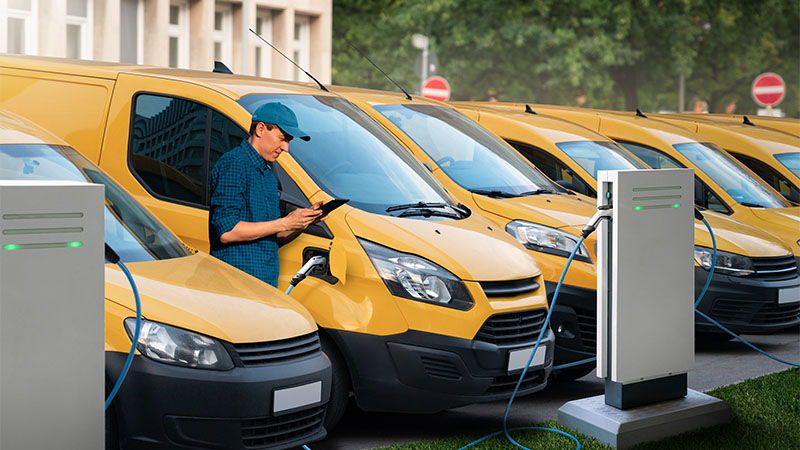
Environmental accountability directly shapes modern brand loyalty. Consumer trends show that up to 58% of eco-conscious shoppers are willing to accept slightly extended transit windows if the delivery process utilizes verified sustainable methods, even when immediate next-day options are accessible.
By participating in initiatives like DHL’s GoGreen Plus service, your small business can directly inset its carbon footprint. This program allows corporate accounts to reduce the greenhouse gas emissions associated with their logistics through the deployment of Sustainable Aviation Fuel (SAF), instantly improving your company's green credentials.
Offer full tracking
6. Implement real-time shipment tracking
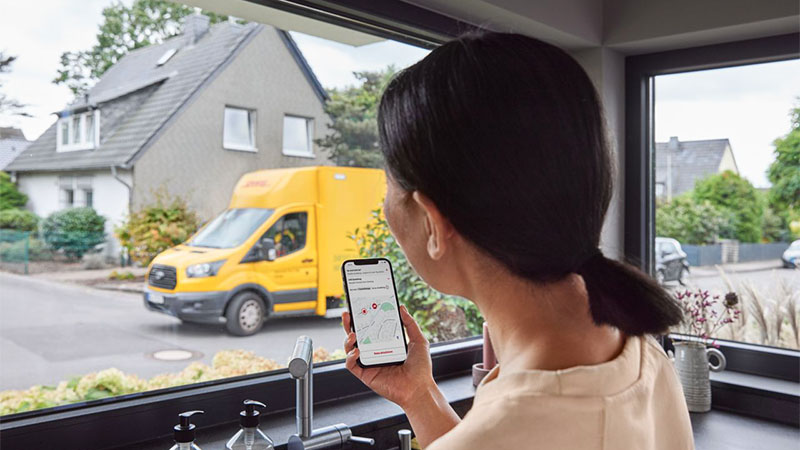
E-commerce consumers require constant visibility over their incoming packages. Providing full, real-time tracking transparency with automated SMS and email milestone notifications directly lowers your customer support overhead and provides peace of mind to the buyer.

Anticipate returns
How should your business anticipate and manage customer returns?
Brazilian businesses must systematically integrate a structured reverse logistics model into their operating budgets to remain compliant with federal consumer protection mandates.
Under Article 49 of the Brazilian Consumer Defense Code (Código de Defesa do Consumidor), online shoppers possess a legal right of regret (Direito de Arrependimento), allowing them to return any product within 7 days of receipt for a full refund, with the business mandatory bearing all reverse shipping fees. On average, approximately 30% of all global e-commerce orders are returned by consumers, making reverse logistics an unavoidable reality of doing business online.
To minimize the financial impact of customer returns on your bottom line, your fulfillment team must take proactive design steps. Displaying accurate, high-definition product photography, detailed sizing charts, and explicit interactive descriptions on your storefront reduces purchase mistakes.
Furthermore, automating your return labeling workflows through your carrier portal ensures that when a return does occur, the item is routed back to your warehouse quickly and cost-effectively, allowing your team to restock the inventory and preserve your working capital.
Understanding domestic shipping rates and carrier networks
Transport providers establish their domestic shipping rates by evaluating the package’s physical scale, volumetric weight, item contents, and the chosen delivery speed.
To keep your distribution expenses as low as possible, your warehouse desk must audit packaging sizes regularly and avoid oversized exterior containers. Most express carriers provide specialized corporate contract rates for business-to-consumer (B2C) merchants who ship regular weekly volumes; never hesitate to negotiate these parameters as your monthly sales scale.
DHL Express provides small businesses, medium enterprises, and e-commerce merchants with a fully tracked, next-day delivery service for domestic shipments across Brazil. By managing your logistics through a MyDHL+ account, your team can seamlessly generate transport labels, check regional rates, and book courier pickups for single or multi-piece dispatches simultaneously.
Partnering with a globally recognized logistics leader allows your start-up to leverage the deep brand trust and operational reliability that consumers recognize worldwide. Whatever commodities your enterprise is commercializing, ensure they reach your customers fast, safely, and with complete visibility.
To optimize your regional fulfillment network, open a DHL Express Business Account today.


 Share
Share