

In the world of professional racing and high-performance automotive vehicles, every increment in acceleration, tuning detail, and 0.1-second improvement is the difference between victory and defeat.
The driver’s skill is one part of the equation. The car’s setup matters too: turbocharger response, engine durability, and airflow regulation all influence the result.
In the high-end, global tuning market, enthusiasts and professional racers rely on technical prowess, reliability, and the prompt delivery of parts. These factors can directly impact performance on the track and the next speed record.
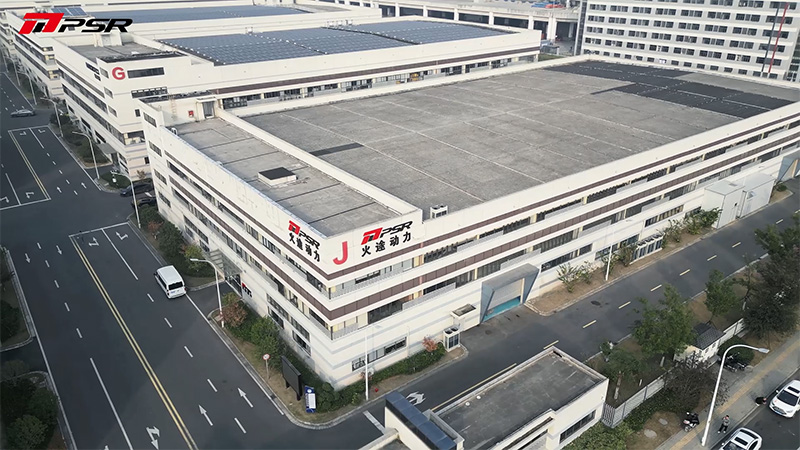
Responding to this demand, a start-up enterprise in Wuxi, entered the global stage with its own brand, Pulsar Turbo Systems (PSR). And within a few years, PSR’s laser-like focus on speed and quality transformed it from a local supplier to an international icon in the auto-tuning community.
From Marketplaces to an Independent Site: Building PSR’s Global Engine
PSR launched on eBay and Amazon, but complex and inconsistent international policies quickly made it clear that they needed more channel control.
“We needed more autonomy and flexibility in brand and customer management,” recalled CEO Yao of PSR.
The team quickly pivoted, building an independent site while continuing to use e-commerce platforms and overseas warehouses. The site soon became more than a sales channel: it connected the brand directly with tuning enthusiasts around the world and helped lay the foundation for PSR’s international expansion.
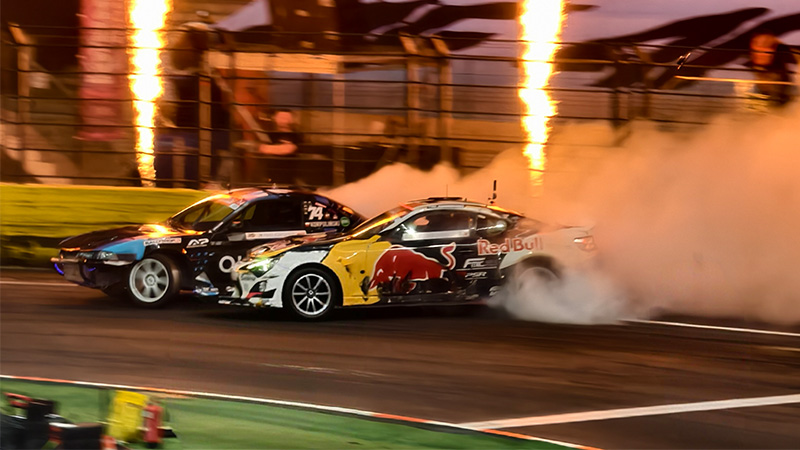
Their products quickly gained attention in Europe and North America, where automotive tuning culture thrives. Pulsar Turbo Systems could be customized for specific vehicle models and individual customer needs. This became a major selling point for enthusiasts who shared engine tests and tuning details on social media using the hashtag #pulsarturbo. Some even created before-and-after comparisons on Instagram, helping build PSR’s reputation within the community. Word of mouth spread the word about the brand, propelling PSR turbochargers and parts onto international race circuits and helping drivers secure titles at the Drift Masters International Championships.
PSR then began introducing tailored products for specific markets: high-performance models for North America and more eco-efficient ones for Europe. This localized approach gave the company a competitive edge.
PSR made the smart decision to build a website that served both consumers and dealers, with dealer recruitment offers and order management functionality. This B2B and B2C approach let PSR reach enthusiasts and channel partners alike, and the brand quickly gained recognition from pro teams and international tuning dealers. With strong positions in mature markets, PSR also began exploring emerging opportunities in Australia, the Middle East, and South America. As business surged, however, significant challenges were on the horizon.
As Orders Surged, Cross-Border Logistics Became the Bottleneck
As PSR parts gained traction, the management team knew that weak logistics can damage a hard-earned reputation. As order volumes rose, three problems emerged:
Unstable delivery times: Auto parts shipments could take between four and seven days, disrupting tuning shops and frustrating enthusiasts.
Limited package visibility: Tracking updates were slow and unclear, leaving customers uncertain and creating extra work for the service team.
- Customs clearance delays: When PSR piloted its products in Australia, orders skyrocketed. Shipments were then held in customs for days, with no clear cause and a negative impact on the customer experience.
These issues damaged brand trust with PSR’s high-end customer base. As expansion accelerated, ensuring compliance, stability, and efficiency became a major challenge. PSR knew it needed a logistics partner that could keep up with its ambitions.
The Turning Point: DHL Express Brings Performance Tuning to Chinese Auto Parts
PSR teamed up with DHL in 2020. CEO Yao likened the collaboration to a performance tuning session. The global network and reputation mattered, but professional account management and efficient problem-solving made the biggest difference. DHL didn’t just take over shipping. They acted as a logistics specialist, working closely with PSR to diagnose the issues:
STEP 1: Diagnose the Bottlenecks
PSR experienced persistent delays when shipping products to and from Australia. By analysing monthly delivery times, DHL found that shipments could be delayed by up to two days at both export and import customs clearance.
STEP 2: Optimize Customs Clearance with Targeted Solutions
Following DHL’s advice, PSR revised its customs declaration documents and moved to a fully online system, reducing export processing to just one day.
With the diagnostics complete and new processes in place, DHL established an export system for Europe and North America before taking over transport services.
STEP 3: Improve Shipment Visibility
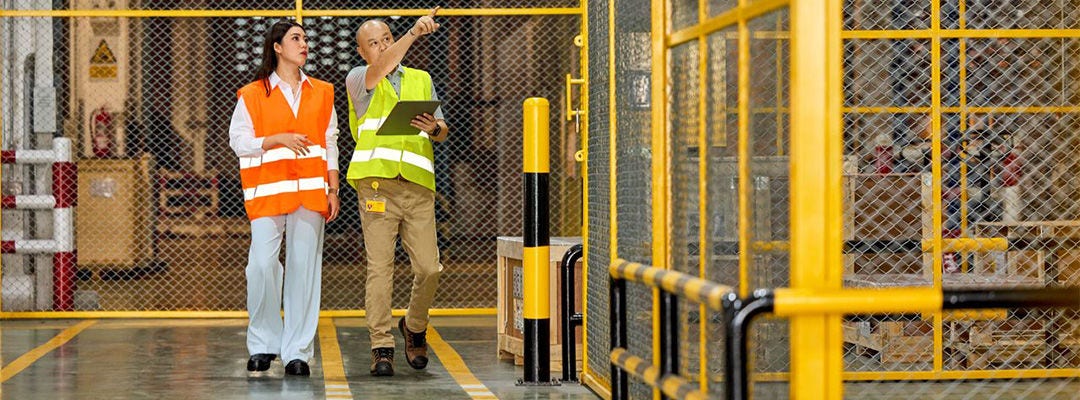
DHL provided end-to-end shipment tracking, alleviating customer anxiety. Exceptional shipments were handled by a specialist DHL logistics team who cut resolution times to 24 hours with dedicated after-sales support.
STEP 4: Build a Strong Compliance Foundation
DHL helped PSR implement Wuxi’s first Export Model Declaration, accelerating the company’s capital recovery through compliant foreign exchange receipts and tax rebates.
These improvements delivered measurable results. For the Australian market expansion, mainline delivery times were reduced by more than 50%, customs clearance delays dropped from up to three days to one, exception handling efficiency increased by 100 per cent, and logistics costs improved by 20%. More importantly, these gains supported PSR’s expansion into new markets.
Partners in Speed: Exploring New Frontiers
PSR and DHL share a core value: “speed and quality in perfect harmony.” PSR seeks peak vehicle performance, while DHL delivers precise, reliable, and globally integrated logistics. The partnership continues to deepen through a strategic digital alliance that supports the seamless flow of orders, inventory, and operational data.
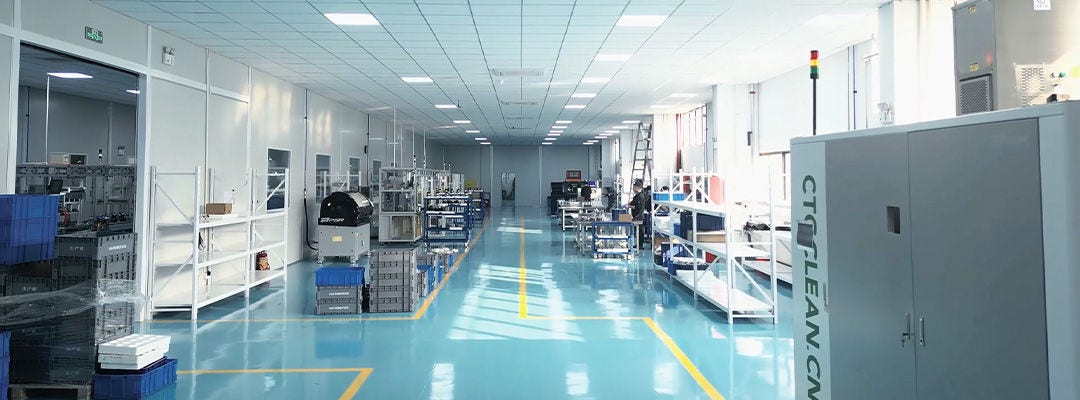
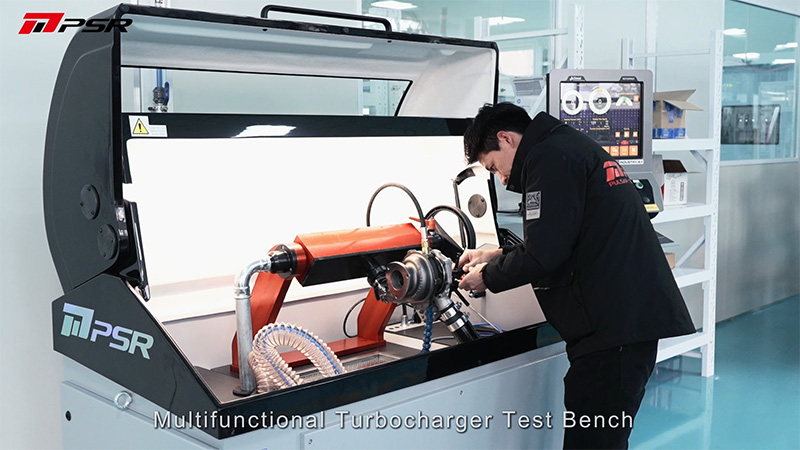
Today, PSR is expanding R&D with state-of-the-art laboratories and test centres to grow its power-tuning product range and enter new markets in EMEA and South America. When tax policies in Europe and North America changed in 2025, PSR’s forward-thinking business model, established in Australia and the Middle East, helped deliver supply chain certainty.
This story is one of technology, strategy, and cross-border collaboration driving brand growth. The partnership between DHL and PSR meets the demanding requirements of cross-border auto parts shipping and positions logistics as a frontline force in brand reputation. Together, they have shown that a Chinese auto parts brand can compete confidently on the global stage.
For fast international shipping, open a DHL Express Business Account.


 Share
Share

Similar Stories