



Unplanned downtime can be a costly problem in modern manufacturing. Even short interruptions can halt production, delay shipments, and lead to missed delivery windows, SLA penalties, and damaged customer relationships. In an industry that relies on tightly coordinated supply chains and precise scheduling, downtime prevention is now a key priority.
In this article, we’ll explore the root causes of unplanned downtime, how manufacturers are shifting from reactive to proactive strategies, and the solutions that can help build a more resilient and reliable supply chain.
The true cost of downtime in manufacturing
Unplanned downtime is one of the most expensive and disruptive risks facing engineering and manufacturing businesses today. Across the world’s 500 largest companies, it is estimated to cost as much as $1.4 trillion annually1, underlining the sheer scale of its impact. At the same time, more than 80% of industrial businesses experienced unscheduled downtime in the three years to 20242 – highlighting how widespread the issue has become.
The direct financial losses associated with halted production are significant, but the true cost of downtime often extends much further. Missed delivery windows can lead to contractual penalties and strained service-level agreements (SLAs), while delayed orders can damage long-standing customer relationships. In highly competitive markets, reliability is a key differentiator – and repeated disruptions can quickly erode trust and brand reputation.
For manufacturers operating in tightly scheduled production environments, even a short interruption can trigger a chain reaction across the supply chain. Idle labour, underutilized equipment, and delayed outbound shipments all contribute to mounting costs. As a result, minimizing downtime has become a leading priority for businesses in the sector.
Root causes of downtime in modern manufacturing
Downtime rarely stems from a single issue. Instead, it is typically the result of interconnected risks across both physical operations and global supply chains.
One of the most common causes is supplier dependency. Many manufacturers rely on a limited number of suppliers for critical components, particularly highly specialized parts. This means that when disruptions do occur – whether due to production delays, geopolitical factors, or raw material shortages – there may be few immediate alternatives available.
Transportation delays are another major contributor. Components often move across multiple borders before reaching production facilities, exposing shipments to risks such as port congestion and customs clearance delays. Even minor disruptions in transit can delay critical parts and halt production.
Customs bottlenecks add an additional layer of complexity. Incomplete documentation, changing trade regulations, or export controls can lead to unexpected hold-ups at borders, particularly for high-value or regulated goods.
At the same time, equipment failure within manufacturing facilities remains a key risk. Aging machinery, inadequate maintenance, or unexpected faults can lead to machine downtime, bringing production lines to a standstill without warning.
Underlying many of these challenges is a lack of end-to-end visibility. Without real-time insight into things like supplier performance, shipment status, and equipment health, businesses are often forced into reactive decision-making – responding to disruptions only after they have already impacted operations.
From reactive to proactive: how manufacturers are preventing unplanned downtime
As downtime becomes more costly and complex, businesses are investing in solutions to help them anticipate disruptions earlier.

Predictive maintenance and AI-powered monitoring
Predictive maintenance is transforming how manufacturers manage equipment reliability. Rather than relying on “fixed” maintenance schedules, they are increasingly using AI-driven analytics to monitor machinery performance in real time.
These systems collect data from sensors embedded in equipment – tracking variables such as temperature, vibration, and usage patterns. AI algorithms then analyze this data to detect anomalies or early warning signs of failure, triggering maintenance only when it is actually needed.
Globally, manufacturers are deploying these technologies across production lines, from automotive assembly plants to heavy equipment manufacturing facilities.
By shifting to predictive maintenance, businesses can extend equipment lifespan, reduce downtime, and improve overall production efficiency. In fact, Deloitte Analytics Institute research found that manufacturing companies implementing predictive maintenance can reduce maintenance costs by up to 25%3.

Real-time supply chain visibility
While predictive maintenance addresses risks within the factory, real-time visibility is critical across the broader supply chain.
Advanced tracking technologies now allow manufacturers to monitor shipments at every stage of their journey – from supplier dispatch to final delivery. With live updates and centralized data platforms, businesses can identify delays early and take corrective action, such as rerouting shipments or adjusting production schedules.
This level of visibility is particularly important in global supply chains, where components may pass through multiple countries and handling points. By gaining a clearer view of supplier performance, transit times, and potential bottlenecks, manufacturers can make more informed decisions and reduce the likelihood of disruption.
Together, predictive technologies and real-time visibility are enabling a more proactive approach to downtime prevention – helping businesses stay ahead of potential issues rather than reacting after the fact.
Strategies for preventing downtime
In addition to adopting new technologies, manufacturers are implementing practical supply chain and logistics strategies to reduce the risk of disruption.
Safety stock and multi-sourcing strategies
To address supply chain volatility, many businesses are rethinking how they manage inventory and supplier networks.
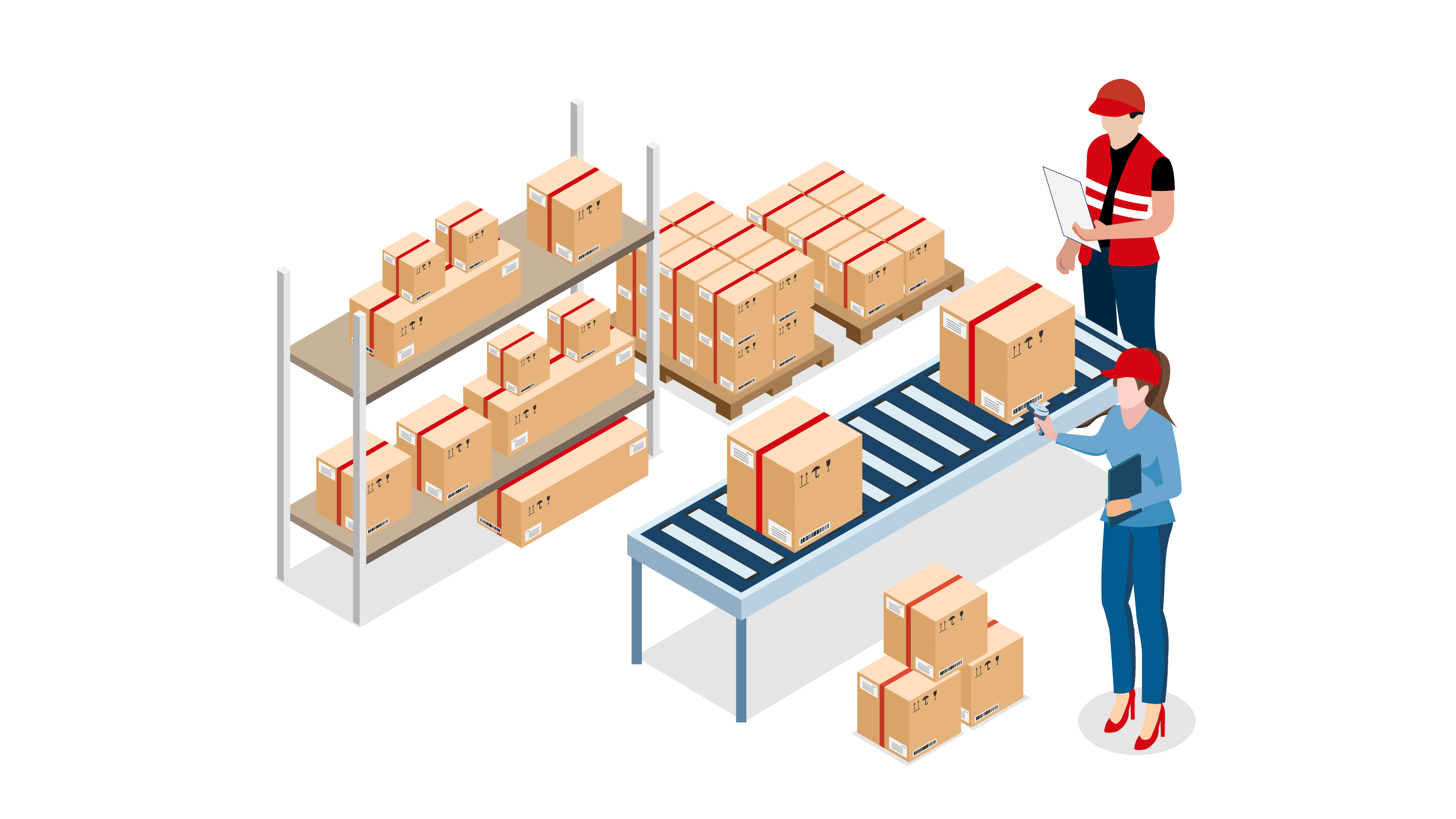
Safety stock optimization is becoming a key priority. Instead of keeping large amounts of extra stock across the board, businesses are becoming more selective – they’re focusing on high-risk or long lead-time components, keeping just enough on hand to avoid disruptions while still controlling costs.
At the same time, multi-sourcing strategies are gaining traction. Relying on a single supplier can leave production vulnerable, so manufacturers are increasingly working with multiple partners across different regions. This approach spreads risk and provides alternative sourcing options if disruptions occur.
Nearshoring is also playing a role, with companies moving parts of their supply chain closer to production facilities or key markets to reduce transit times and improve reliability. In fact, 57% of companies with China-based production have adopted a “Supplier +1” strategy4 – meaning they keep their existing supplier but also add at least one more in a different region, so they’re less reliant on a single source if disruptions occur.

Time-critical shipping for urgent components
Even with strong planning, unexpected disruptions can still occur. In these situations, the ability to move critical components quickly becomes essential.
Time-critical shipping solutions enable manufacturers to expedite urgent parts across borders, minimizing production delays. This is particularly important in sectors such as automotive, aerospace, industrial machinery, and heavy equipment manufacturing, where missing components can halt entire production lines.
Fast, reliable international express services ensure that high-priority shipments – including heavier shipments – reach their destination on time, helping businesses recover quickly from disruptions.

Strategic inventory positioning and regional warehousing
Placing inventory closer to production facilities or key markets can significantly reduce lead times and improve responsiveness.
Regional warehousing strategies allow manufacturers to store critical components in multiple locations, creating a buffer against transport delays or supply disruptions. This approach also enables faster replenishment and more flexible distribution, particularly in global operations.
By combining strategic inventory positioning with efficient logistics networks, businesses can reduce their dependence on long-distance shipments and respond more quickly to changing demand or unexpected issues.
Sustainable logistics as a resilience strategy
Sustainability is becoming an increasingly important consideration in manufacturing supply chains, alongside cost, reliability, and efficiency.
Optimized transport routes, for example, can in certain cases reduce fuel consumption and emissions while also improving delivery reliability. By avoiding congestion and minimizing unnecessary mileage, businesses can shorten transit times and lower the risk of delays.
Energy-efficient facilities and better inventory placement help warehouses run more efficiently and lower energy use and handling-related emissions.
At the same time, regulatory pressures are increasing. Policies such as the EU Carbon Border Adjustment Mechanism (CBAM) are requiring importers to report the embedded carbon emissions of certain goods, adding new layers of complexity to cross-border trade.
Predictive logistics also plays a role, enabling businesses to anticipate demand, optimize shipment planning, and reduce waste across the supply chain. By aligning sustainability initiatives with operational efficiency, manufacturers can build supply chains that are both more resilient and more environmentally responsible.
Reduce unplanned downtime with DHL Express
In today’s manufacturing world, even small disruptions can have a big knock-on effect, so being able to adapt quickly really matters. As businesses look ahead to future trends in the manufacturing industry, there’s a growing focus on building supply chains that are not just efficient, but resilient too. That means staying on top of global suppliers, keeping critical parts moving, and being ready to respond when something unexpected happens.
This is where DHL Express fits in – helping manufacturers move parts quickly across borders, with better visibility and support when it’s needed most. Whether it’s dealing with urgent shortages or planning ahead to avoid delays, DHL Express can play a practical role in keeping production on track and reducing the risk of downtime.


 Share
Share

Similar Stories