The global technology sector is expanding at unprecedented speed. From AI platforms to smart devices and connected consumer electronics, demand for advanced digital infrastructure is accelerating worldwide. Behind many of these innovations sits a vast backbone of data centers, semiconductors, cooling systems, precision components, and other highly specialized hardware.
For B2B businesses operating in this technology ecosystem – whether supplying finished equipment, micro-components, or specialist materials – the opportunity is enormous.
But so is the logistics complexity. To compete globally, technology suppliers must deliver more than innovation; success demands reliability, speed, and cross-border expertise.
In this article we’ll explore how suppliers and manufacturers operating within the technology sector can scale cross-border with confidence.
An Overview of the Global Technology Sector
The global technology market is massive and still growing – and it’s doing so on multiple fronts. Total global IT spending alone topped US$4.7 trillion in 20231, reflecting strong demand for digital infrastructure, cloud services, and enterprise hardware.
Demand for semiconductors – the tiny chips at the heart of virtually every modern device – is surging. After reaching about US$792 billion in sales in 2025, industry groups project that global semiconductor revenue will exceed US$1 trillion in 20262, driven largely by AI, data center, and networking hardware demand.
That growth is mirrored in infrastructure build‑outs. AI‑optimized data center components – from GPUs to high‑bandwidth memory and networking cards – grew by roughly 44% year‑over‑year in mid‑20253, as enterprises expanded capacity to support machine learning workloads. Meanwhile, forecast models show that AI‑capable data center capacity is expanding at 30%‑plus annual rates in many regions4, with thousands of facilities online or planned to keep pace with cloud and AI compute needs.
At the same time, microelectronics and edge computing are reshaping how components are designed and used – moving intelligence closer to end‑users and industrial applications. Consumer electronics and smart devices continue to drive appetite for smaller, faster, and more energy‑efficient chips, even as B2B infrastructure deployment continues to scale.
All of this activity – from semiconductors and smart devices to AI hardware and data center expansion – creates a technology landscape that is global, interconnected, and highly dependent on fast, reliable international shipping. In markets where components may be sourced in one region, assembled in another, and deployed around the world, logistics performance directly affects competitiveness and customer satisfaction.
Key Technology Logistics Challenges
Speed-to-market
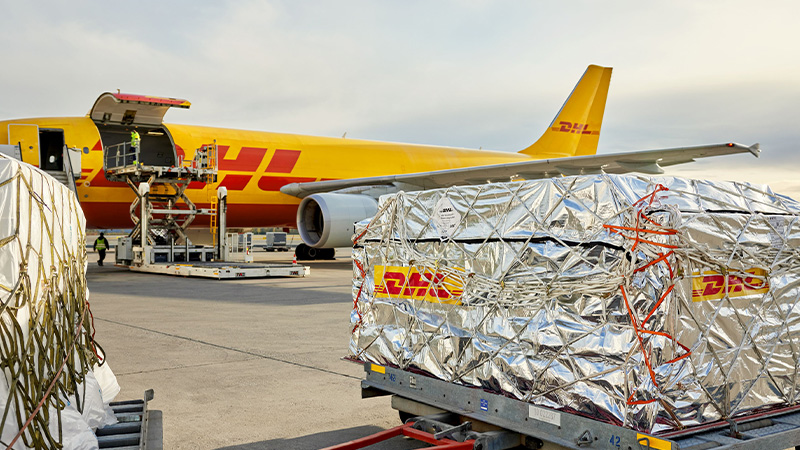
It is integral as product cycles are short and launch timelines tight. For B2B suppliers, even small delays can halt production or delay project milestones. Many manufacturers operate “just-in-time” models, meaning components often need to move internationally in days. Predictable, time-definite delivery is essential.
Protecting sensitive, high-value goods
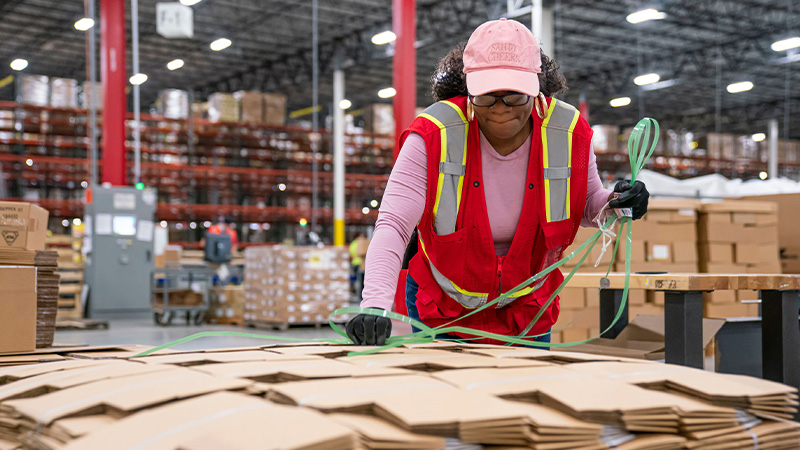
Technology components are compact but extremely valuable, and sensitive to vibration, temperature, humidity, or electrostatic discharge. Custom-built parts like semiconductors, precision connectors, and specialist hardware can’t be easily replaced. That’s why careful packaging, secure handling, and full shipment visibility are critical for cross-border shipping.
Elevated theft risk
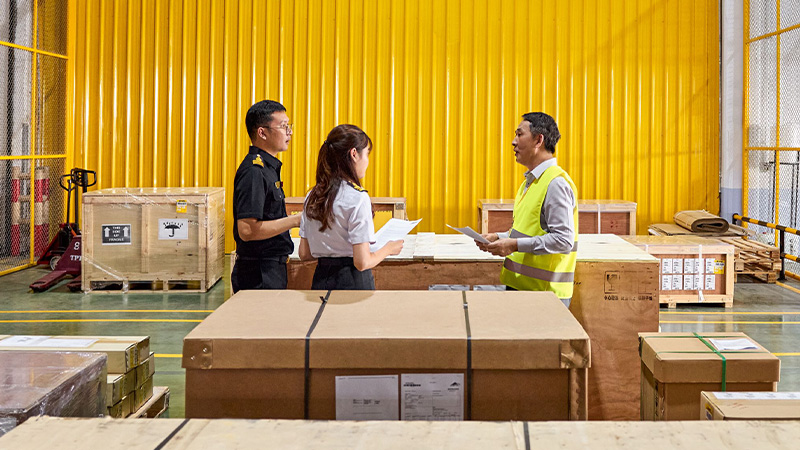
High-value tech goods, from processors to premium memory modules, are prime targets. One lost shipment can have a serious financial impact. Controlled transport networks, monitoring, and insurance coverage help mitigate these risks.
Regulatory and export compliance complexity
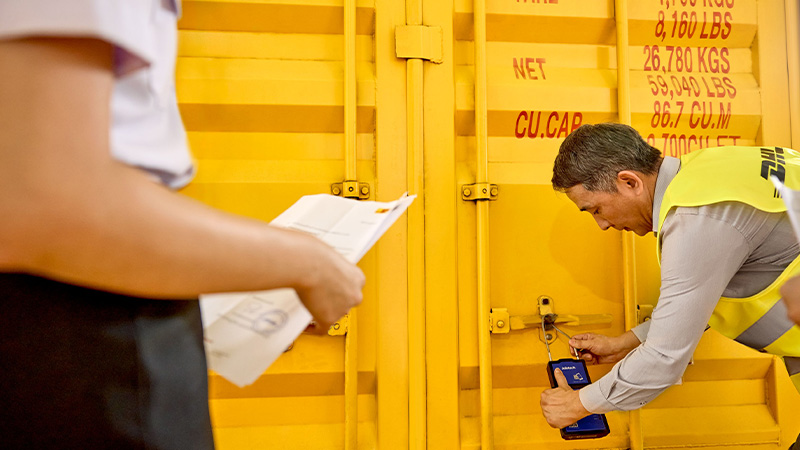
Many advanced components are subject to export controls or licensing depending on the destination. Accurate product classification and complete documentation are essential. SMEs need to stay on top of evolving trade rules to avoid costly delays or fines.
Reverse logistics and lifecycle management
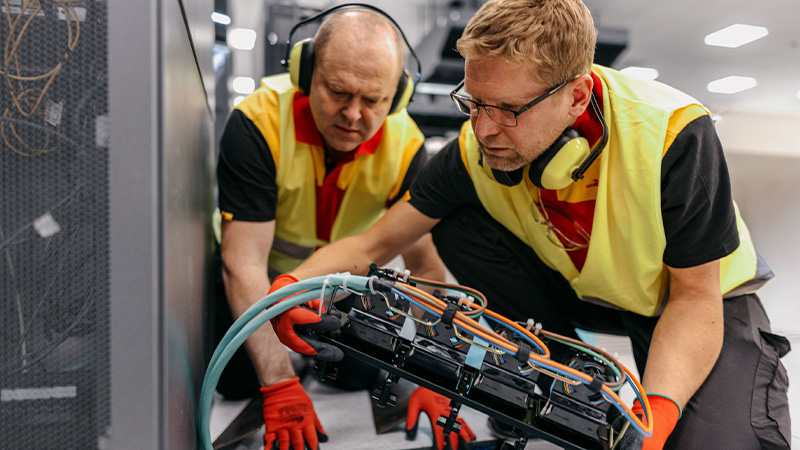
Returns aren’t a big part of the tech business model. Components and hardware are returned for repairs, warranty claims, upgrades, or end-of-life recycling. Delayed returns can extend customer downtime or stall production. Thus, effective reverse logistics requires clear customs procedures, shipment visibility, and secure handling.
Market Trends and Changing Consumer Expectations
Cross-border e-commerce for tech products is booming, with components sourced globally and hardware sold internationally. This adds complexity: multi-country fulfillment, duties, export documentation, and international returns all need careful management. And customer expectations now center on fast, trackable shipments – next-day or even same-day delivery in some markets – along with real-time tracking to help manage complex supply chains.
Sustainability is also rising up the agenda. Businesses face pressure to reduce packaging waste, lower transport emissions, and provide transparency on environmental impact. Working with logistics partners that offer carbon-efficient shipping and smarter packaging solutions helps SMEs stay competitive while meeting their environmental commitments.
Pressure Points in Global Technology Supply Chains
Even as demand for technology products rises, global supply chains remain under pressure. Semiconductor shortages – especially for chips used in AI servers, networking gear, and modern vehicles – have repeatedly disrupted manufacturers. Pandemic-related factory shutdowns and transport delays created backlogs, while rapid growth in AI and electronics has stretched production capacity. With most advanced chip manufacturing concentrated in a few locations, delays at a single facility can ripple across global supply lines.
Geopolitical tensions and regulatory changes add more uncertainty. Export restrictions between the US and China on high-performance chips and manufacturing tools, along with licensing requirements, can suddenly block shipments or require costly rerouting.
All of this makes resilience, flexibility, and contingency planning essential for B2B technology businesses. Diversifying suppliers, holding multi-region inventory, and partnering with logistics providers who can reroute shipments and respond quickly to regulatory changes is now an important requirement.
How DHL Express Supports Technology Logistics
Whether you’re moving high-value microelectronics, critical AI hardware, or components for global data centers, you need a logistics partner who can keep shipments moving across borders without fuss.

Time-Critical and Express Delivery Networks
When every hour counts, DHL Express’ time-definite international express services make a real difference. From just-in-time supply chains and urgent spare-part deliveries to global product launches, DHL Express helps technology businesses hit tight deadlines and keep projects on track.
For larger, heavier shipments that still demand speed and reliability, DHL Heavy Weight Express offers the same time-definite delivery benefits for shipments over shipments above 50kg, ensuring critical bulk components and high-volume orders move just as efficiently across borders.
Secure and Insured Shipping for High-Value Electronics
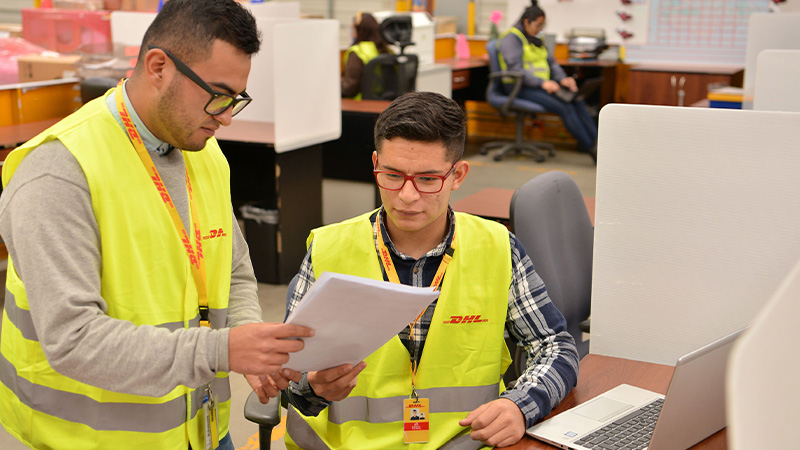
High-value tech goods are tempting targets for theft or loss. DHL Express helps protect your shipments with comprehensive insurance options and value protection, giving you peace of mind that components, prototypes, or finished products arrive safely.

Specialized Handling for Sensitive Technology Goods
From shock-sensitive semiconductors to temperature-sensitive modules, delicate tech products need extra care. DHL Express offers expert guidance on packaging, environmental controls, and handling best practices to keep components safe in transit – whether across town or across the globe.

Returns and Reverse Logistics for Technology Products
Returns are part of the game in tech – repairs, warranty claims, or high-value replacements all need to move quickly to minimize downtime. DHL Express helps streamline these reverse flows, so returned goods get back into the supply chain efficiently, keeping your customers happy and your operations on schedule.

Trade Compliance and Export Controls
When shipping sensitive components internationally, it’s important to be aware that regulations can change fast, and mistakes are costly. DHL Express’ teams know the rules across markets, helping you navigate export controls, customs documentation, and cross-border compliance so your shipments keep moving smoothly.
DHL Express as a Trusted Logistics Partner for Technology Businesses
As the technology sector continues to grow – fueled by AI’s rapid expansion – businesses across the ecosystem must scale at the same pace.
From semiconductors and AI hardware to smart devices and data center components, success depends not only on innovation but on the ability to move critical shipments quickly and compliantly across borders. In a market where delays can halt production and regulations can shift overnight, having a trusted logistics partner is essential.
With its global express network, specialist handling expertise, and deep understanding of cross-border trade requirements, DHL Express can help your business navigate these complexities smoothly – and keep its growth on track.


 Share
Share

Similar Stories