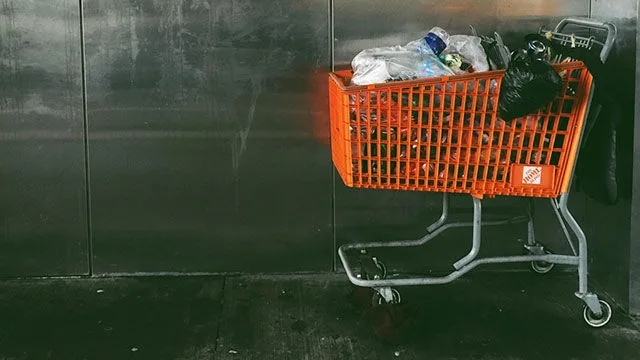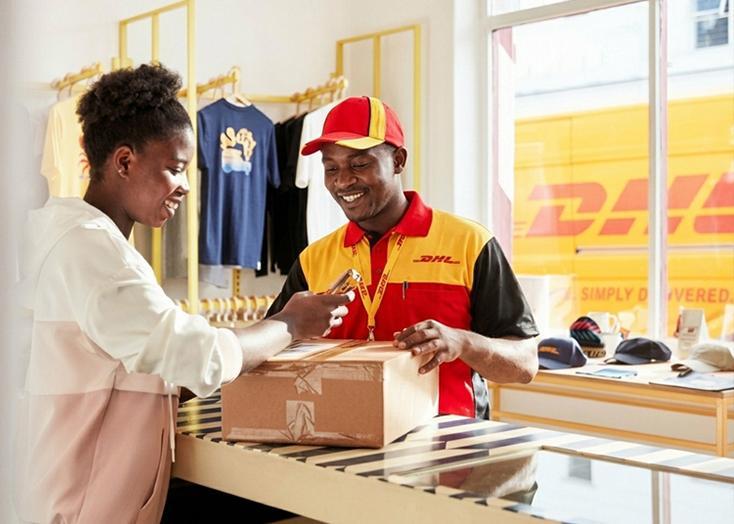
Returns management is often the silent giant in Kenya’s e-commerce ecosystem, ignored until it hits hard. Most online sellers zero in on getting customers and delivering orders, leaving returns as an afterthought. But here’s the truth: returns aren’t rare exceptions; they’re baked into the online shopping experience.
Globally, about 17% of online purchases get returned, and in some product categories, that number climbs even higher. What’s more, a whopping 67% of customers won’t come back after a bad returns experience. That makes returns a crucial factor in winning customer loyalty and repeat business.
For Kenyan online businesses, it’s time to rethink returns, not as a hassle, but as a powerful business tool. Managing returns well builds trust, drives repeat sales, and safeguards your bottom line.
Why Returns Management Drives Growth
Kenyan shoppers are becoming more discerning, making buying decisions based on trust and confidence. A smooth, transparent returns process takes the fear out of shopping online, especially when customers can’t touch or try products before buying.
On the flip side, a clunky returns process leads to:
Overwhelmed customer service teams
Delayed refunds and exchanges
Inventory mishaps from untracked returns
Eroded customer trust and fewer repeat buyers
Returns aren’t cheap either. Handling a return can cost between 20% and 65% of the product’s original price once you factor in shipping, handling, and restocking. So, while you can’t avoid returns, you can definitely manage them smartly.
1. Craft a Clear, Customer-Friendly Returns Policy
Your returns policy isn’t just legal jargon, it’s a key sales driver. Kenyan shoppers carefully check return terms before clicking “buy,” especially for fashion and electronics.
A winning policy spells out:
How long customers have to return items (7, 14, or 30 days)
What conditions qualify (unused, original packaging, etc.)
Whether refunds, exchanges, or store credit are offered
Who covers return shipping costs
Clear policies cut down misunderstandings and boost buyer confidence. Research shows unclear or strict policies can scare off up to 80% of potential customers. Also, Kenyan sellers must consider delivery realities for both city and upcountry buyers.
2. Keep the Returns Process Simple and Transparent
A great policy means nothing if the returns journey is complicated. Customers want a hassle-free, trackable, and timely experience.
Best moves here include:
Giving clear return instructions at purchase
Offering easy return requests via form, email, or online portal
Sharing timelines for pickup, inspection, and refunds
Keeping customers updated every step of the way
Returns are part of your brand’s story. When customers know what to expect, they trust you more and come back.
3. Get Your Reverse Logistics Right
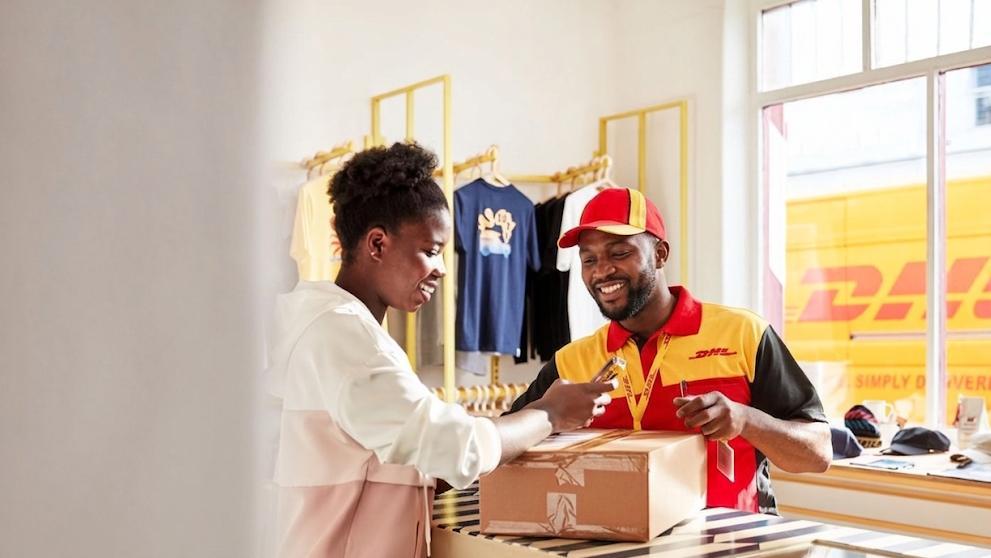
Reverse logistics, the path that returns take back to you, is where many businesses stumble. Without a solid system, returns can:
Get stuck without tracking
Arrive missing paperwork
Take forever to restock or resell
Rack up extra handling costs
In Kenya, with delivery networks varying widely, a consistent reverse logistics setup is key. This means:
Clear pickup or drop-off options
Reliable transport partners
Real-time tracking for both you and your customers
A robust reverse logistics system speeds up returns processing, helping you get products back on shelves or ready for resale quickly.
4. Recover Value from Returns
Not every return is a loss. With the right approach, you can salvage significant value.
Returned items should be:
Inspected immediately
Sorted into resellable, repairable, or non-recoverable categories
Quickly reintegrated into inventory where possible
The faster you handle returns, the less value you lose, especially for fast-moving or seasonal goods.
5. Use Returns Data to Cut Future Costs
Every return tells a story about your products and customers.
Common reasons for returns include:
Wrong size or fit
Product not matching description
Damage or defects
Analyze these trends to:
Improve product descriptions and photos
Adjust sizing guides
Pinpoint supplier or quality issues
Lower your overall return rate
Returns data isn’t just operational, it’s strategic insight.
How DHL Supports Your Returns Journey
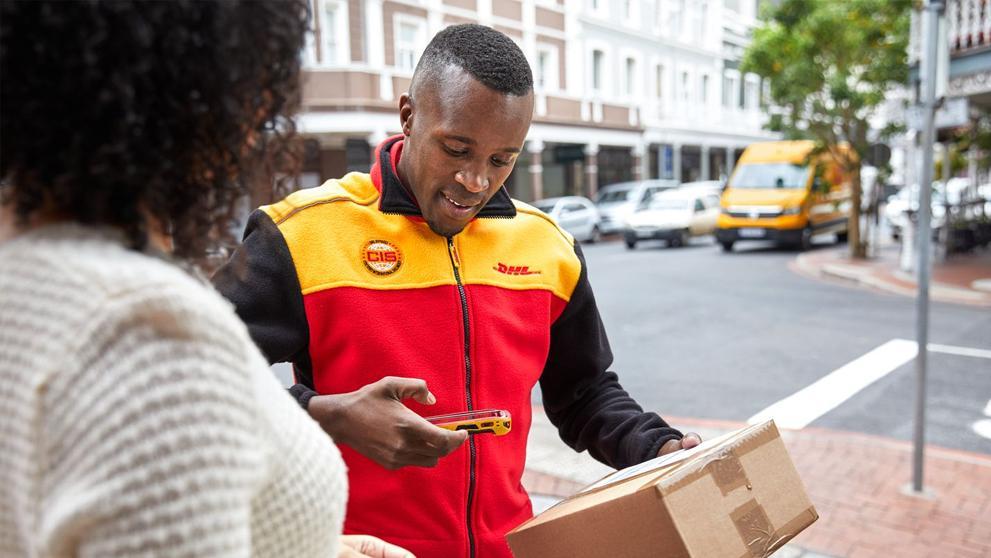
Executing returns well depends on logistics, and DHL is a trusted partner for Kenyan online businesses.
With decades of experience, DHL offers:
Scheduled pickups and nationwide coverage, even in remote areas
Real-time tracking that keeps you and your customers in the loop
Fast processing of returned goods for quicker refunds and restocking
By weaving logistics into your returns workflow, you shift from reactive fixes to a smooth, scalable process.
Turn Returns into Your Competitive Edge
Many see returns as a cost center, but savvy Kenyan online sellers know better. A strong returns system:
Builds customer trust
Encourages repeat business
Cuts operational inefficiencies
Protects long-term profits
As Kenya’s e-commerce market grows, the winners won’t just deliver products, they’ll master what happens when those products come back.
Open a DHL Business Account today and create a returns process that keeps your customers happy and your business thriving.


 Share
Share
Similar Stories