TikTok is no longer just about viral dances and funny clips. In Kenya, it’s fast becoming a powerful business platform where entrepreneurs turn followers into customers, all without sending them off to another website.
With over 4.5 million Kenyans actively scrolling through TikTok daily, spending an average of 52 minutes on the app, the audience is already here. The real challenge? Turning that attention into sales that count.
Looking at shopping trends, TikTok’s e-commerce footprint in Kenya is strong, 35 percent of users are already comfortable making purchases directly on the app. For small business owners and content creators who’ve built a loyal following but struggled to generate steady income, TikTok Shop offers a direct and simple path to sales. Unlike the lengthy process of building a website, your shopfront is right where your customers spend their time.
This guide walks you through setting up your TikTok Shop storefront in Kenya and turning it into a thriving sales channel.
What TikTok Shop Expects From Sellers
Before you list your products, it’s essential to meet TikTok Shop’s standards for operations and compliance. These safeguards help keep transactions safe, transparent, and trustworthy for buyers.
Here’s what you need:
A registered TikTok account in Kenya
A verified TikTok Shop seller profile
Valid business or personal identification
Bank and tax information for payments
Products that follow TikTok Shop’s policies
Verification is crucial. Without it, you won’t be able to list products or complete sales. For businesses, this step is the foundation of operating within a trusted digital marketplace.

Building a Storefront That Works
Once verified, it’s time to create a storefront designed for visibility, approval, and sales.
Step 1: Enter the TikTok Shop Seller Center
Products are managed through the TikTok Shop Seller Center, not directly in the app. Log in using your TikTok details and complete the onboarding process. You’ll provide your store name, address, payout info, and go through account verification. Once approved, you’re ready to start adding products.
Step 2: List Your First Product
Navigate to the Products section, hit “Add New Product,” and pick the right category. Getting this right matters, it affects how visible your product is and whether it gets approved. Misclassifying products can delay or block approval.
When listing:
Use clear, descriptive product names
Write detailed descriptions that tell customers what to expect
Include brand names where relevant
Specify size, colour, material, and other key features
Visuals are just as important as words. Upload sharp images from multiple angles, showing packaging and how the product is used. Short videos can boost approval chances and sales, even when they’re optional, they’re worth the effort.
Set your prices and stock carefully:
Selling price and any comparison price
Available inventory to avoid overselling
Variations like size or colour, each with their own stock and price
Step 3: Sort Out Shipping
Shipping isn’t just a backend detail, it’s part of your storefront’s promise to customers. Decide how you’ll deliver orders:
Seller-fulfilled: you handle packing and shipping
TikTok-fulfilled: where available, TikTok manages delivery logistics
Enter product weight, dimensions, and your shipping origin. Accurate shipping info prevents delays and disputes, which can do more harm than a poor description.
Step 4: Submit for Approval
Once your listing is polished and complete, submit it for TikTok’s review. They’ll check your product details and images to ensure everything meets their standards. Approval can take a few hours or several days.
If your listing is rejected, TikTok usually explains why. This lets you fix the issue and resubmit without starting over.
Step 5: Promote Your Products
After approval, your products go live in your TikTok Shop and become part of your content strategy. Now you can:
Tag products in your videos and live streams
Enable affiliate links for other creators to promote your items
Feature products in your profile showcase
At this point, your content and shop work hand in hand, the shop adds structure, and your content drives discovery.
Avoid These Common Pitfalls
Here’s what often trips up sellers and delays approval:
Incomplete or vague product descriptions
Missing key details
Listing prohibited or restricted items
Making misleading claims or exaggerations
Using low-quality images
Choosing the wrong product category
TikTok’s feedback on rejections helps you quickly adjust and try again.
Logistics: The Backbone of TikTok Commerce
With TikTok Shop trimming the gap between discovery and purchase, logistics becomes the critical link that seals the deal.
If you handle your own order fulfilment, you need:
Fast, reliable order dispatch
Consistent delivery timelines across regions
End-to-end shipment tracking
Smooth return processes
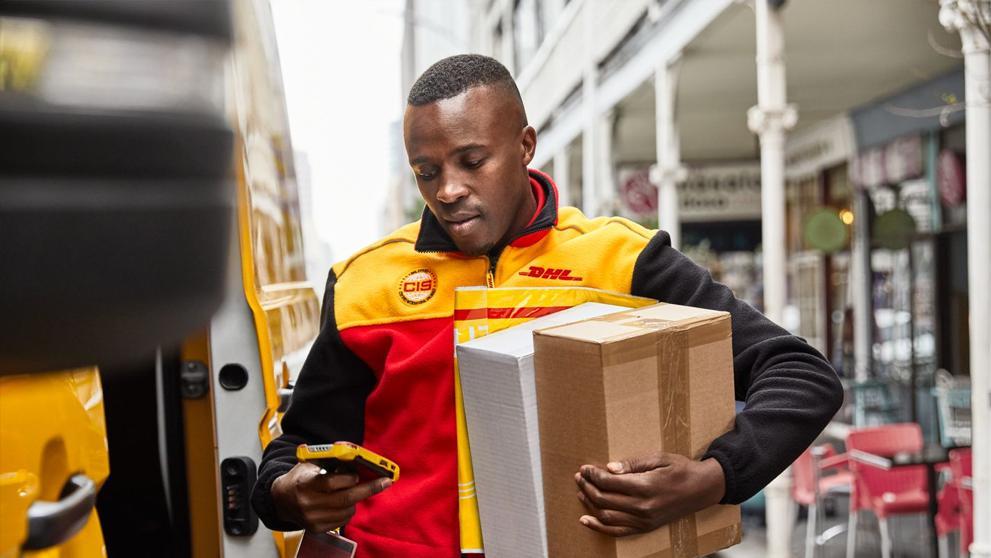
Partnering with a logistics expert like DHL can make all the difference. Scheduled pickups allow you to ship orders smoothly alongside daily operations. Real-time tracking keeps you and your customers in the loop, cutting down on delivery questions and worries.
From TikTok Follower to Verified Seller
The opportunity is clear. With millions of active users, rising e-commerce adoption, and average orders around KES 1,500, the demand is real. Winning won’t come from the biggest ad spend but from getting your setup right, communicating clearly, and delivering reliably.
TikTok brings the customers in. How you deliver keeps them coming back. Open a DHL Business Account today and build a fulfilment system that supports your TikTok Shop success from day one.


 Share
Share
Similar Stories