Kenya’s e-commerce scene is on the move. From Nairobi’s busy streets to the quieter corners of Kisumu and Eldoret, more Kenyans are discovering the convenience of shopping online, scrolling through Instagram, chatting with sellers on WhatsApp, and ordering from businesses they may never meet face-to-face.
This isn’t just a passing trend; the market is projected to hit US$2.6 billion in 2024, with even more growth on the horizon.
But if you talk to any online seller, they’ll tell you the same thing: a good number of shoppers won’t pay until they see the package at their door.
The Numbers Don’t Lie
Cash-on-delivery (COD) is king for Kenyan shoppers. Nearly three out of four (72%) online buyers prefer to pay in cash when their goods arrive. Step outside Nairobi or Mombasa, and that figure jumps even higher, close to 80%. This isn’t a bug in the system. It’s a sign that trust, not just technology, is at the heart of Kenya’s e-commerce journey.
Why Do So Many Shoppers Still Prefer COD?
M-Pesa has revolutionised how we send and receive money. But when it comes to online shopping, trust is built one delivery at a time. For a first-time buyer, paying only after receiving an item just feels safer, especially when you’ve heard stories of online orders that never show up. For shoppers in Nakuru, Kakamega, or along the coast, paying on delivery isn’t just about convenience; it’s about common sense.
Think about it: before e-commerce, you would walk to your local market, inspect what you wanted, and only then pay. COD is simply the digital version of that familiar process. It lowers the barrier for new customers, especially when they’re buying from a seller they don’t know yet.

The Realities for Online Sellers
Understanding why COD is popular is one thing.
Managing it as a business is another. COD brings its own set of challenges:
Failed deliveries eat into your profits. When a customer isn’t home, changes their mind, or refuses the order, you’re left covering the delivery costs both ways.
Returns are more frequent. Customers know there’s no risk; they can simply send back what they don’t want, or even order more than they intend to keep.
Cash flow slows down. Unlike prepaid orders, where the money comes in before you ship, COD means your revenue is in limbo until the payment is collected and remitted.
Handling cash is complicated. Reconciling cash from multiple deliveries and riders takes extra time, and mistakes can creep in.
But here’s the truth: COD isn’t a problem to avoid. It’s a reality to manage, and, with the right approach, a way to grow your customer base.
How to Make COD Work for Your Business
The most successful online sellers aren’t those who fight COD. They’re the ones who build smart systems around it:
Confirm every order before dispatch. A quick WhatsApp or phone call to check the delivery address and make sure the customer is available can drastically reduce failed deliveries. Never ship to an unverified number.
Segment your COD risk. Reserve COD for standard items, but consider partial or full prepayment for high-value, customised, or perishable goods.
Communicate at every step. Let customers know when their order is dispatched and when it’s out for delivery, an SMS or WhatsApp update goes a long way. Informed customers are far less likely to be unavailable or decline the order.
Track COD performance by region. Some areas see more rejections than others. Use your data to decide where COD makes sense, and where it’s better to offer prepaid deals.
- Offer small incentives for prepayment. Even a discount of KSh 50 can encourage repeat customers to pay upfront, boosting your cash flow while still keeping COD as an option for first-timers.
Why Your Delivery Partner Matters
The difference between COD being a growth tool or a cash flow headache often comes down to your logistics partner.
Handling cash, confirming deliveries, and managing returns all add up, so a reliable courier matters.
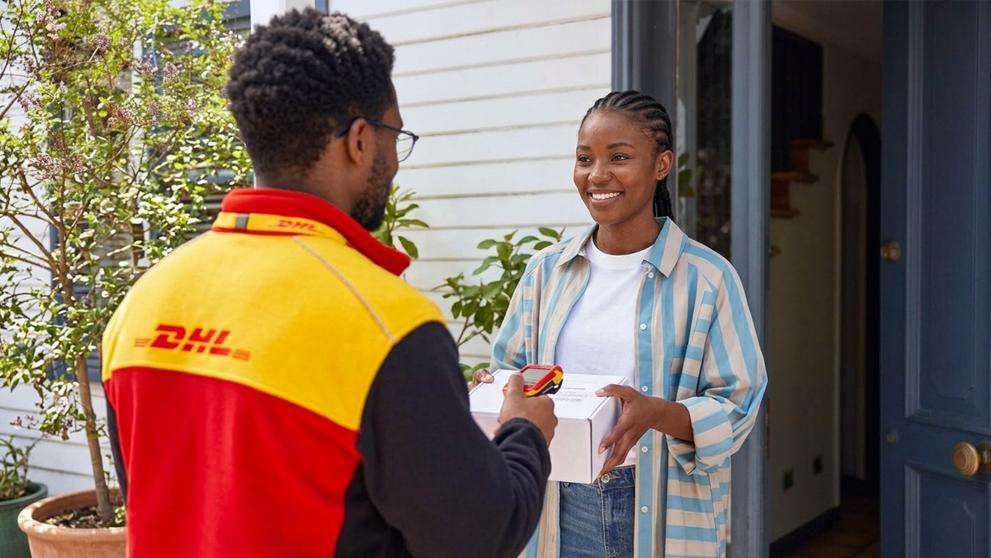
A strong delivery partner does more than just drop off packages. They verify deliveries, collect payments securely (both in cash and via M-Pesa), offer real-time tracking for you and your customer, and keep your cash flow predictable with regular remittances.
With DHL Kenya’s On-Demand Delivery service, your customers can even choose their delivery time, helping reduce missed deliveries and failed collections. Real-time tracking means buyers know exactly where their order is, building confidence and making them more likely to be ready, waiting, and willing to pay when the package arrives.
The Takeaway
Cash-on-delivery isn’t a hurdle, it’s a stepping stone. It reflects where many Kenyan shoppers are on their online journey: careful, curious, and looking for a little extra assurance. The sellers who grow fastest are those who meet buyers where they are, provide a smooth experience, and build trust with every successful delivery.
As that trust grows, so does your business, turning first-time COD buyers into loyal customers who won’t hesitate to prepay next time.
Ready to take your e-commerce business further? Open a DHL Business account and let us handle your cash collections and last-mile delivery, so you can focus on what matters: serving your customers and growing your brand.


 Share
Share
Similar Stories