Kenya is set to witness its largest infrastructure IPO in nearly two decades. In January 2026, the government unveiled the Kenya Pipeline Company (KPC) Initial Public Offering (IPO), offering 65% of shares at KSh 9 each, targeting a raise of approximately KSh 106 billion.
This move opens up an exceptional opportunity for public participation in one of Kenya’s most critical logistics assets, the extensive pipeline network that transports the bulk of the country’s petroleum products from the Port of Mombasa to key inland markets.
This IPO is more than just a share sale. It marks a decisive step towards modernising and expanding Kenya’s pipeline infrastructure. The upgrades promised will reshape freight costs, enhance delivery reliability, and boost supply chain efficiency across the region. For Kenyan businesses reliant on fuel for production, transport, and cross-border trade, this is set to be a transformative moment.
KPC: The Backbone of Kenya’s Fuel Logistics
KPC manages over 1,300 kilometres of pipelines, channeling refined petroleum products from Mombasa to major hubs including Nairobi, Nakuru, Eldoret, and Kisumu. Beyond Kenya’s borders, the network also supports fuel transit to neighbouring countries such as Uganda, Rwanda, Burundi, eastern DRC, and South Sudan.
This pipeline system moves vast fuel volumes annually with greater efficiency and safety than road transport. By reducing dependence on long-haul trucking, KPC plays a key role in lowering transport costs, mitigating accident risks, and improving supply predictability, factors that are crucial for businesses across Kenya.
Financially, KPC has demonstrated strong performance, reporting revenues of about KSh 38.6 billion and a pre-tax profit of nearly KSh 10 billion in the 2024-25 fiscal year. This reflects the company’s operational reliability and commercial strength.
What the IPO Means for Kenya’s Infrastructure
Listing KPC on the Nairobi Securities Exchange (NSE) transforms it from a fully state-owned entity into a publicly traded company, with the government retaining a 35% stake. This broader ownership invites both retail and institutional investors to play a part in shaping Kenya’s logistics future.
The capital raised will be channelled directly into infrastructure development with clear priorities:
Upgrading pipeline capacity and storage facilities to meet rising domestic and regional fuel demand.
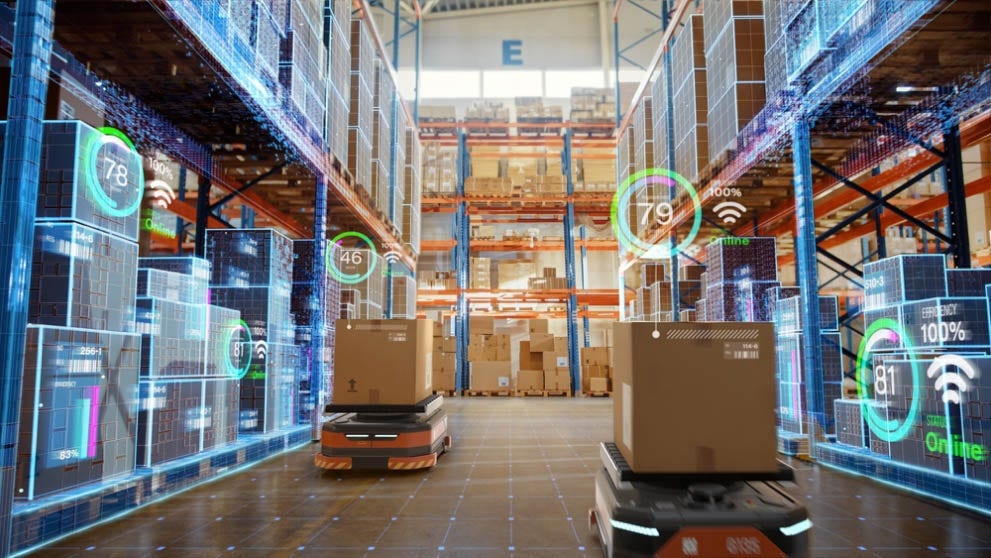
Deploying advanced technologies such as real-time monitoring systems to enhance operational reliability and reduce downtime.
Expanding auxiliary services, including fibre-optic connectivity along pipeline corridors, to support digital logistics and communication services.
This strategic investment signals a shift from mere maintenance to proactive expansion, reinforcing Kenya’s fuel logistics infrastructure, the lifeline of the country’s transport ecosystem.
Impact on Freight Costs and Delivery Efficiency
Fuel is the heartbeat of logistics.
Its cost, availability, and reliability directly affect freight pricing, delivery times, and regional trade dynamics.
Steadier, lower fuel costs will ease transport expenses for trucking companies, delivery fleets, and long-haul operators.
Reliable pipeline supply reduces the risk of fuel shortages that disrupt logistics and distribution schedules.
A modernised pipeline network will smooth bottlenecks, facilitating seamless fuel flow for exporters and importers alike.
With infrastructure upgrades like expanded storage and improved flow management, turnaround times will improve, and congestion-related logistics costs will decline. Small and medium enterprises will particularly benefit through more predictable fuel access, enabling timely deliveries and more competitive pricing.
Building Supply Chain Resilience and Safety
One of the standout benefits of IPO-funded investments is a more resilient and safer supply chain. Compared to road transport, pipelines offer:
Reduced risk of spills and accidents, which means fewer disruptions.
Integrated storage and distribution hubs that enhance inventory reliability and simplify supply chain planning.
Cutting-edge digital monitoring and control systems that minimise delays and improve logistics accuracy.
This level of reliability gives freight operators and manufacturers a steadier fuel supply, a vital edge in a market where volatility is all too common.
Positioning Kenya as a Regional Distribution Hub
The IPO also positions Kenya as a key logistics gateway in East Africa. By linking Mombasa’s port with inland markets and neighbouring countries, enhanced pipeline infrastructure supports cross-border trade and cuts distribution costs.
As sectors such as agribusiness and manufacturing expand their reach, a dependable petroleum logistics backbone reduces input cost variability, a critical factor for sustainable competitive growth.

Partnering for Growth in Kenya’s Logistics Sector
As Kenya’s infrastructure evolves, businesses require logistics partners that can scale with demand and provide full supply chain visibility.
DHL’s extensive network offers efficient delivery across domestic and regional routes, backed by real-time tracking, customs expertise, and freight optimisation tools—helping companies manage costs amid changing infrastructure dynamics.
Opening a DHL Business Account unlocks tailored solutions, competitive rates, and continuous operational support—empowering businesses to capitalise on new opportunities as Kenya’s logistics landscape transforms.
A Strategic Leap Forward for Kenya’s Logistics Future
The KPC IPO is far more than a financial milestone. It’s a strategic investment in Kenya’s infrastructure, strengthening the fuel distribution backbone that powers the economy. Through expanded capacity, enhanced operational reliability, digital oversight, and public ownership, this IPO marks a new chapter where infrastructure development and logistics performance go hand in hand.
For Kenyan businesses, this means long-term opportunities to reduce transport costs, improve delivery planning, and expand distribution networks both locally and across borders. Understanding these shifts in fuel logistics today will position your business to thrive in a more resilient, efficient logistics future.


 Share
Share
Similar Stories