As Kenya steps into 2026, the business climate is buzzing with renewed optimism. The challenges of recent years, from supply chain disruptions to rising interest rates and shifting global trade currents, are easing. Stability is returning, and with it, a surge of activity across the economy.
Kenya’s GDP is projected to grow between 5.2% and 5.5% next year, a robust rebound that translates into more goods crossing borders, heightened consumer demand, and increased investment in business ventures.
For importers, exporters, and distributors, this growth signals a call to action. Manufacturers will step up sourcing, exporters will chase new markets, and supply chains will grow busier. The key to success? Spotting these trends early and positioning your business to move ahead of the pack.
Why This Growth Matters for Your Business
The expected 5.5% growth won’t be uniform across all sectors. It’s powered by shifts creating clear opportunities in select industries. Understanding where momentum builds lets you make sharper decisions on inventory, supplier partnerships, and logistics capacity, well before your competitors do.
Here’s what’s shaping Kenya’s economic outlook for 2026:
The Central Bank of Kenya’s move to cut the Central Bank Rate from 10.75% in February 2025 to 9.00% by December is making borrowing more accessible for businesses.
Agricultural productivity is on the rise, supported by government fertilizer subsidies and favorable weather.
The 2026 Budget Policy Statement commits to strengthening infrastructure, energy, and social programs.
Yet growth brings its own challenges. Supply chains that managed during slower times may face new pressures as demand spikes. Delivery timelines will tighten, inventory turnover will accelerate, and logistics efficiency will become critical.

Four Sectors Leading Kenya’s Growth in 2026
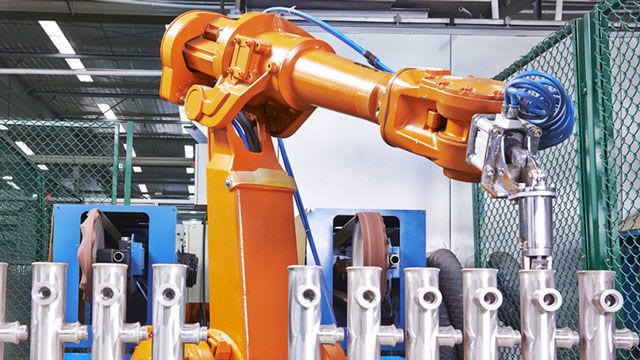
Manufacturing: Powering Local Industry Forward
Manufacturing currently contributes 7.3% to Kenya’s GDP and plays a vital role in job creation and exports. The Kenya Association of Manufacturers’ Manufacturing Priority Agenda, launched in February 2026, focuses on global competitiveness, export-led industrialisation, SME growth, and integrating agriculture into industry.
Key policy highlights include:
Reducing import declaration fees and railway levies on industrial inputs to 1.5%
Removing VAT on fuel levies
Opening electricity markets beyond Kenya Power
Manufacturers are eyeing regional and international markets under AfCFTA, AGOA, and the EU-Kenya Economic Partnership Agreement.
Business takeaway: Suppliers to manufacturers should track policy shifts closely. Manufacturers themselves must sharpen their export logistics. Early movers in regional and EU markets stand to gain a competitive edge.
Agricultural Exports: Tax Incentives Boost Competitiveness
The Finance Bill 2026 introduces measures to enhance agricultural exports:
VAT on inputs for exporters cut from 16% to 8%
Excise duty on packaging materials removed
Faster VAT refund processing
Special incentives for 100% exporters, akin to EPZs and SEZs
Expanded air freight capacity via Kenya Airways and new carriers
A recent success story: Flamingo Group’s Sh2 billion expansion, powered by VAT refunds, created 500 jobs and expanded exports to Europe and the UK.
Business takeaway: Exporters can expect improved cash flow. Now is the time to invest in cold chain infrastructure, packaging, and reliable freight partnerships. Logistics and packaging suppliers should prepare for growing demand and more ambitious clients.
Infrastructure and Construction: Projects Gaining Momentum
Construction bounced back with 6.7% growth in Q3 2025, while infrastructure projects are accelerating.
Key developments include:
The Mariakani logistics hub (Ksh 220 million), serving six coastal counties and cutting project turnaround from 6–8 months to just 12 weeks.
Progress on the Mau Summit-Eldoret-Malaba road PPP project, with pre-feasibility and RFQ planned for Q3 2026.
Business takeaway: If you supply construction materials, heavy equipment, or logistics support, these projects promise steady demand. Building strong relationships with contractors and monitoring tenders now will position your business for growth.
Digital Commerce: Kenya’s Mobile-First Revolution
Kenyan consumers lead in mobile commerce adoption. Data from the Communications Authority of Kenya shows mobile apps account for 44.8% of online transactions, with WhatsApp and social platforms making up 20%, surpassing traditional websites. Over 70% of users shop via their phones, compared to less than 12% on laptops.
In January 2026, average e-commerce order values reached $152.80. For businesses, integrating mobile channels into order fulfilment is no longer optional, it’s expected.
Business takeaway: Online retailers must provide quick confirmations, real-time tracking, and reliable delivery. Logistics efficiency is the new baseline for winning and keeping customer loyalty.
How DHL Supports Your Growing Business
With Kenya’s economy expanding, supply chains will face mounting pressure. Shipment volumes will rise, delivery windows shrink, and visibility becomes essential.
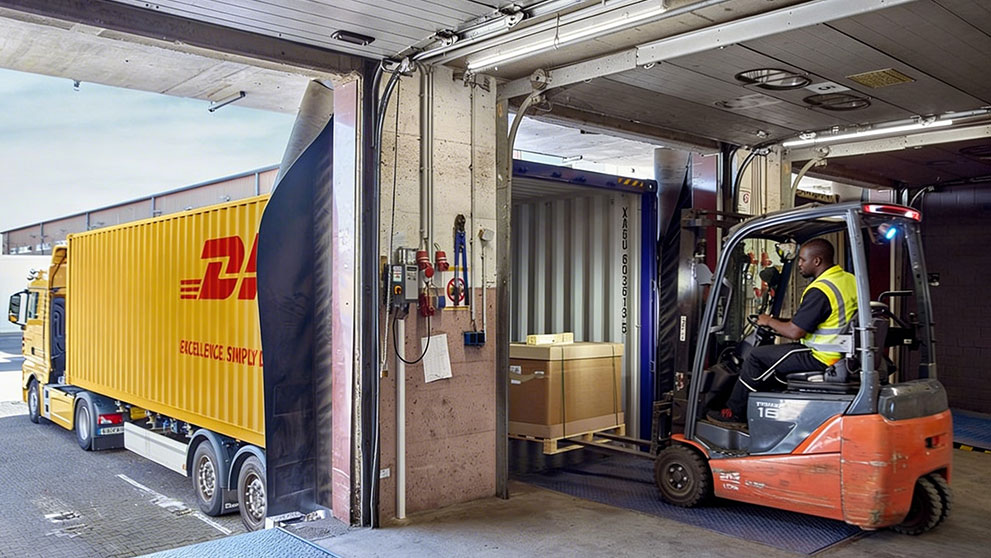
Partnering with a trusted logistics provider like DHL, renowned for its global reach, flexible routing, and real-time shipment tracking, allows businesses to scale confidently.
Opening a DHL Business Account unlocks tools tailored for cross-border shipping, dedicated account support, and shipment visibility, arming your business to move faster and smarter as trade volumes grow.
Seize the Opportunities in 2026
Kenya’s anticipated 5.5% growth signals more than just rising GDP, it heralds a surge in trade across manufacturing, agriculture, infrastructure, and digital commerce.
Businesses that align sourcing, inventory, and logistics strategies with these trends will move quicker and smarter. In times of growth, those who act first often claim the lion’s share of success.


 Share
Share
Similar Stories