Grow your business with the Discover newsletter
Logistics advice & insights straight to your inbox
Subscribe now


 Share
Share

Sustainability has been part of the business conversation for years, yet for many small businesses, its real impact can feel abstract. How do you turn a well-meaning commitment into practical action that actually matters?
To explore this, DHL Express surveyed over 5,000 SME decision-makers across 11 countries and nine industries. The findings reveal not only how sustainability is shaping business priorities but also the challenges, opportunities, and expectations that come with making greener choices.
From understanding customer expectations to making more sustainable logistics choices, this guide explores the lessons SMEs can take from DHL Express’ global survey and how Sri Lankan businesses can turn them into action.
The survey uncovered a fascinating mix of ambition, caution, and opportunity among SMEs worldwide. Here’s what stood out:
Across industries, most SMEs rate sustainability as “very important” or “extremely important” to their business strategies. The fashion and financial services sectors lead the way, with 81% of respondents in each group recognizing sustainability as critical.
Small businesses clearly understand the strategic value of being environmentally responsible, but translating that awareness into concrete action is still a work in progress.
While the intention is there, investment often lags behind ambition. Over half of SMEs (53%) allocate only 1–3% of their operating budgets to sustainability initiatives. A small 9% dedicate more than 5%, while 16% admit to investing nothing at all.
The takeaway: SMEs want to act sustainably, but resources remain a limiting factor.
Only 23% of SMEs believe customers are willing to pay extra for sustainable products or services. The majority remain cautious about assuming market demand will justify higher costs. Interestingly, optimism is higher in markets like China and India, where 47% and 51% of SMEs, respectively, see green services as a potential driver of customer choice.
Many SMEs struggle to engage both staff and customers in sustainability initiatives, and some aren’t sure where to start. This points to a critical opportunity: small, measurable actions can demonstrate impact and make the case for broader engagement.
Across the board, certain sectors are clearly ahead in thinking strategically about environmental responsibility. Fashion and financial services SMEs are not just paying lip service, they see sustainability as a competitive advantage and a core part of their business strategy.
The global trends highlighted in the DHL Express survey closely reflect the realities faced by SMEs in Sri Lanka. Ambition around sustainability is high, but limited budgets and cautious customer expectations make prioritization essential. Rather than trying to tackle everything at once, businesses that focus on high-impact, feasible initiatives can make tangible progress and gain a competitive edge.
Logistics, for example, offers opportunities to demonstrate commitment, reduce emissions, and gain trust in export markets. For example:
Even small, targeted initiatives like these can have outsized benefits. By taking measurable steps in global shipping and logistics, Sri Lankan SMEs not only reduce their environmental impact but also position themselves as forward-thinking, reliable partners for international buyers.
With members of Generation Z showing the highest willingness to pay more for sustainable products¹, these early eco-friendly moves can also boost brand loyalty, foster long-term relationships, and increase appeal in key markets.
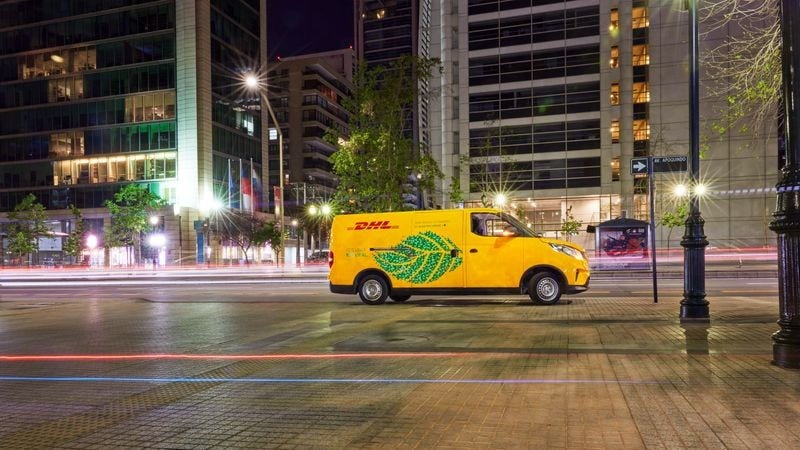
Knowing what matters is one thing, making it happen is another. For Sri Lankan SMEs, sustainability becomes tangible when small, deliberate steps are taken, and results are tracked. Here’s a clear roadmap to get started:
For Sri Lankan SMEs aiming to compete in greener global markets, partnering with DHL Express gives you access to proven, ready-to-use sustainability solutions that make eco-friendly global shipping easier, more credible, and more measurable.
Sustainability is no longer a nice-to-have, it’s a clear strategic edge. By embracing more environmentally-friendly logistics, sharing your progress openly, and partnering with providers who lead the way in low-carbon innovation, Sri Lankan SMEs can strengthen their global presence and earn the trust of increasingly eco-aware customers.
Download DHL Express’ full Sustainability Matters survey report and explore GoGreen Plus by signing up for a DHL Express Business Account. Make your logistics smarter, greener, and more competitive while positioning your business for long-term success in an increasingly sustainability-driven global market.
Share