Grow your business with the Discover newsletter
Logistics advice & insights straight to your inbox
Subscribe now

Sri Lanka’s artistic legacy is a vibrant fusion of history, culture, and craftsmanship. From ancient temple carvings to contemporary abstract art, the island’s creative expression runs deep. Yet despite the local abundance of talent, the international market rarely sees Sri Lankan art on the same stage as Indian or Southeast Asian works.
With global collectors actively seeking unique, handcrafted, and meaningful art, Sri Lankan creators stand at a crossroads — full of potential but held back by limited exposure, marketing reach, and export challenges. The good news? Reliable logistics solutions, such as DHL Express Sri Lanka, can help bridge this gap and open new opportunities for artists.
Sri Lanka’s art scene is shaped by centuries of Buddhist, Hindu, and colonial influences. This deep heritage shines through in everything from intricate woodcarvings and brass sculptures to vivid batik paintings and modern installations.
Collectors across the USA, Europe, Japan, and Singapore are increasingly drawn to authenticity — art that tells a cultural story rather than mass-produced décor. Global galleries and luxury buyers are also recognizing South Asian creativity, as seen in the growing representation of Sri Lankan artists in international art fairs and exhibitions.
With the world’s interest in diverse and cultural artistry rising, Sri Lankan creators are well-positioned to make their mark globally — if the right systems are in place.
Despite its creative wealth, Sri Lankan art exports remain modest compared to neighboring countries. Several factors contribute to this:
Without consistent international exposure or easy export mechanisms, many artists focus only on domestic sales, limiting income and recognition.
Opportunities for Sri Lankan art exports span multiple regions:
For Sri Lankan artists, these regions represent not just commercial opportunities, but also international validation and exposure.
Exporting artworks, statues, and sculptures requires compliance with both Sri Lankan and destination-country regulations.
General documentation includes:
Special considerations:
Import duties vary by destination, so exporters should verify regulations before shipping. DHL Express’s customs support can simplify this process and ensure smoother cross-border transactions.
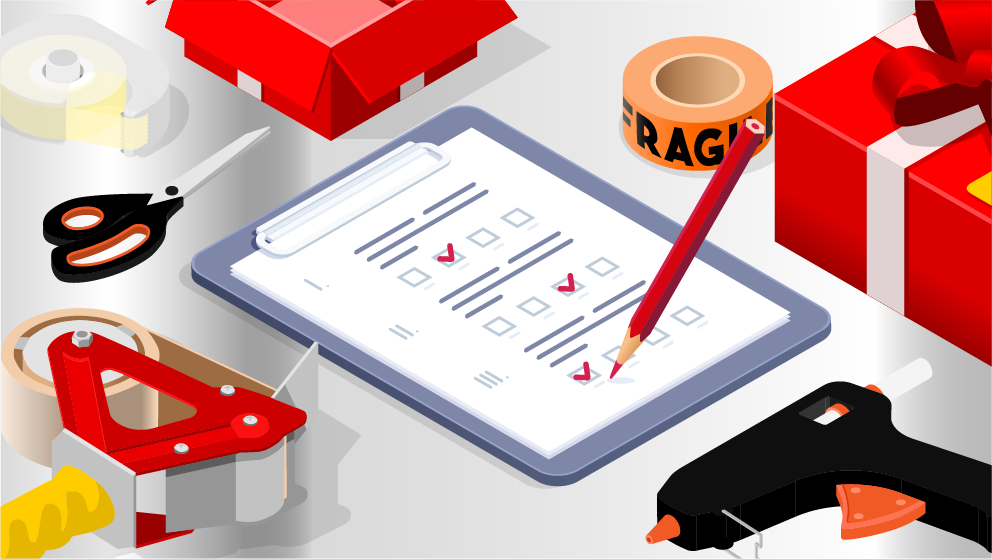
Proper packaging is essential for art exports, especially for delicate materials like wood, stone, and metal. Many artists are unsure of how to ship sculptures or fragile artwork internationally without risking damage. That’s where DHL Express’s reliable logistics solutions come in. Our tailored services make shipping artwork internationally safer, more predictable, and more secure.
To ensure your sculptures reach their destination in perfect condition, we recommend following these best practices:
With professional packing and reliable courier services, artists can maintain the integrity of their work from studio to gallery.
E-commerce has transformed how artists sell sculptures, paintings, and statues, connecting them with global audiences without needing gallery representation. Platforms like Etsy and Saatchi Art make it easier than ever to sell art online, provided sellers understand international shipping and customs procedures.
However, many Sri Lankan artists hesitate to explore international sales due to concerns about customs, delivery reliability, or costs. DHL Express resolves these issues by integrating directly with global marketplace platforms, providing end-to-end solutions that include tracking, customs handling, and express delivery.
By embracing digital platforms backed by trusted logistics, Sri Lankan art can reach appreciative audiences worldwide.
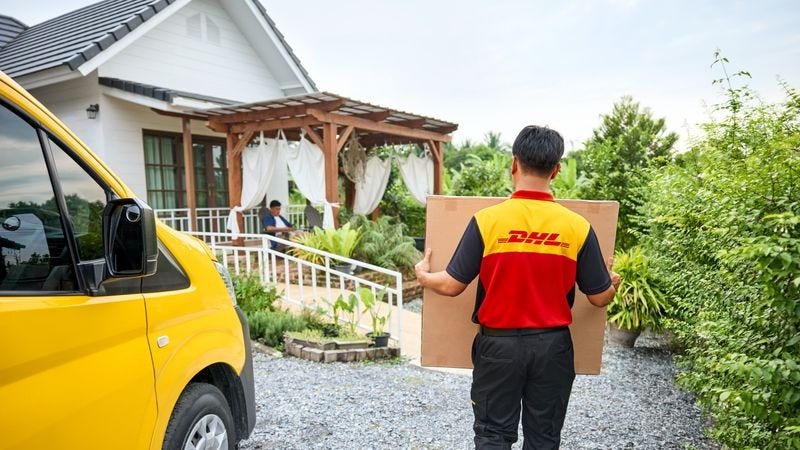
Sri Lanka’s art community has the creativity and craftsmanship to thrive internationally. What it needs now is better visibility and logistical confidence. Exporting art may seem daunting, but with the right preparation — from compliant documentation to expert shipping — artists can build successful global careers.
Partnering with DHL Express gives creators a trusted ally in navigating customs, managing delicate shipments, and accessing international markets. With structured logistics in place, Sri Lankan art can finally claim its well-deserved space on the world stage.
Taking Sri Lankan art global starts with having the right logistics partner.
Take your art beyond borders. Open a business account with DHL Express today.
When preparing a painting for international shipping, start by covering the front with acid-free tissue paper or glassine to protect the surface. Add a layer of bubble wrap for cushioning, then sandwich the artwork between two sturdy pieces of cardboard or foam board. Finally, place it inside a fitted box or wooden crate, ensuring no movement inside the package. DHL Express recommends using double-boxing for high-value pieces and adding ‘Fragile’ labels on all sides.
Protect the glass by placing a rigid board like foamcore against it, then wrap the frame in several layers of bubble wrap with corner protectors. Use a snug inner box cushioned with foam or air pillows, and double-box for extra safety. For international shipments, consider acrylic glazing (Plexiglas) instead of glass.


 Share
Share