Grow your business with the Discover newsletter
Logistics advice & insights straight to your inbox
Subscribe now


 Share
Share

Dropshipping promises low startup costs and the freedom to sell globally. Yet, for many Sri Lankan sellers, it comes with challenges involving unreliable suppliers, long shipping times, and customer expectations.
However, the opportunity is undeniable. According to Grand View Research, the global dropshipping market is projected to reach USD 1,253,790.2 million by 2030, growing at a CAGR of 22% from 2025 to 20301.
This expected growth demonstrates how the dropshipping model can drive exports, especially in light of increasing online shopping trends and surges in cross-border e-commerce. It presents an incredible opportunity to build a globally competitive business while keeping overheads lean.
So, whether you're a beginner or seasoned entrepreneur, this blog will guide you through what dropshipping is and how to get started in Sri Lanka. We’ll cover everything you need to know, from product validation and supplier sourcing to shipping logistics, to set your dropshipping business up for success.
Dropshipping is a retail model where you sell products without holding any inventory. When a customer places an order, you purchase the item from a third-party supplier, who ships it directly to the customer. This is done while retaining your brand on customer-facing materials, such as the packaging supplies and invoices.
Three key roles make this work:
For Sri Lankan entrepreneurs, this model is particularly well-suited to the local landscape:
Dropshipping appeals to many entrepreneurs because it removes the traditional barriers to global selling.
Ready to learn how to be a dropshipper? Here are five steps to get started and establish a business that becomes a sustainable avenue for growth.
Before you list any product, validate that real demand exists. Begin by identifying trends and niches with potential for profitability, and ensure that there is data to back up that interest.
You can use tools, such as Google Trends, TikTok Shop trends, and Amazon Best Sellers, to identify what customers are actively searching for and buying.
Subsequently, when narrowing down your product selection, focus on items that are:
Your supplier is the backbone of your dropshipping operation, so start your search on established platforms, such as:
Once you've shortlisted potential suppliers, evaluate them against these key criteria:
At the same time, watch out for these red flags when vetting suppliers:
Next, you can either build your own store on platforms like Shopify or WooCommerce, or create a seller profile on established marketplaces like Shopee or Amazon. Both are viable paths, but the right choice depends on your goals.
Consider these factors when deciding:
Regardless of which route you choose, ensure your storefront delivers these essentials:
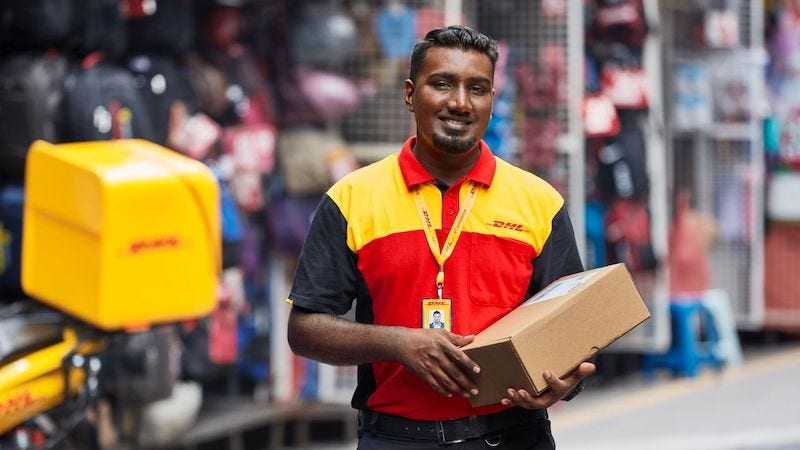
In dropshipping, logistics reliability is a competitive requirement. It’s essential to plan your shipping strategy before you launch, so as to:
Therefore, consider partnering with reputable international shipping services, such as DHL Express, to establish a strong fulfillment strategy. With features like real-time shipment tracking and global customs expertise, DHL Express helps to give your store a credible trust signal.
In dropshipping, excellent customer service matters even more than in traditional retail. Since you don’t hold inventory or manage fulfillment directly, your customers' entire post-purchase experience depends on how well you communicate and resolve issues on your suppliers' behalf.
A strong customer service system is therefore essential to maintaining trust. Start by building one that includes:
Even well-prepared sellers encounter obstacles when they start dropshipping. Here are the most common challenges Sri Lankan sellers face and how to address them:
How well you manage logistics determines whether your dropshipping business stagnates or scales. Every delivery is a direct reflection of your brand, as customers judge you by how quickly, reliably, and transparently their orders arrive.
As such, work with a carrier experienced in cross-border e-commerce, like DHL Express, to ensure your logistics operation is built on a foundation strong enough to support long-term growth.
By working with DHL Express, you gain access to world-class international shipping services designed to support every stage of your growth in your dropshipping venture.
Meet and exceed customer expectations. From express to time-definite shipping options, we help reduce transit times to key global markets, ensuring your customers receive their orders quickly and consistently.
Real-time shipment tracking keeps you and your customers informed at every stage, significantly reducing the likelihood of disputes and support requests.
The MyDHL+ platform streamlines shipment preparation, saving valuable time as suppliers can quickly have parcels sent out to customers within the shortest times possible.
Furthermore, you can collaborate with suppliers on order processing, contributing to a more seamless experience.
With deep customs expertise and extensive experience handling global parcel shipments of all sizes, DHL Express is equipped to support dropshippers selling to customers worldwide.
Now that you know how to begin dropshipping, it's time to build a logistics foundation that matches your ambitions. Open a DHL Express business account and take your dropshipping venture to new heights today.
Share