
You’ve seen the headlines: “Was ₦50,000, Now Only ₦25,000!” or “70% OFF Today Only!” These offers catch the eye instantly, promising huge savings that seem too good to miss. But here’s the catch: those “original” prices? Often, they were never real.
This practice, known as pseudo-discounting, has become widespread. Globally, 51% of consumers now believe brands regularly use inflated prices to create fake deals. In the UK, that mistrust jumps to 66%. The result? Shoppers have grown skeptical, questioning the legitimacy of every sale price they see.
For Nigerian exporters striving to build trust on the international stage, pseudo-discounting isn’t just an ethical misstep, it’s a strategy that can erode your brand’s credibility and long-term success.
What Is Pseudo-Discounting?
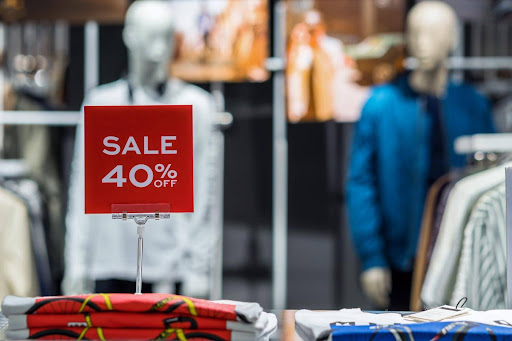
Pseudo-discounting occurs when businesses artificially boost the “original” price of a product to exaggerate the size of a purported discount. Imagine a retailer listing an item at ₦100,000 one day, then slashing it to ₦60,000 with a “40% OFF!” banner. In reality, the product was always intended to sell at ₦60,000, the inflated price is simply a mirage designed to convince customers they’re getting a deal.
Research tracking over 865,000 products reveals the average genuine price drop on sale is just 6%. Retailers rarely show these modest savings because they don’t grab attention. One study found that in nearly half the retailers observed, more than half their products were continuously “on sale.” When everything is discounted all the time, discounts lose their meaning.
Global Markets Push Back Against This Practice
Many countries are cracking down hard on deceptive pricing:
In Europe, Aldi Süd was fined in 2024 for falsely inflating grocery prices, with the EU’s Omnibus Directive allowing penalties up to 4% of annual turnover or €2 million.
The UK’s Competition and Markets Authority demands that for every two discounted items sold, one must have genuinely been available at the higher price. Violators face fines up to 10% of global turnover.
Australia saw Dell pay $10 million in 2023 after overstating discounts, and major supermarkets faced lawsuits for similar tactics.
In the US, fashion retailer Boohoo settled for $197 million over fake comparison prices affecting millions of customers.
Beyond the immediate financial repercussions, the real cost is damage to your brand reputation, something far harder to repair.

Why Pseudo-Discounting Backfires with Customers
Misleading pricing breaks trust. Once customers realize they’ve been duped, they don’t just walk away quietly, they share their frustration, leave harsh reviews, and actively distance themselves from your brand.
Even when such tactics generate short-term sales, they attract the wrong kind of customers. Research shows that buyers lured by one-off discounts create just 68% of the lifetime value of steady customers. Meanwhile, those won over by genuine bundle offers deliver 127% of baseline value. How a customer first interacts with your brand predicts their long-term loyalty better than demographics in nearly three-quarters of cases.
The Discount Trap: A Hard Cycle to Break
Once your customers expect constant markdowns, it’s tough to stop. They’ll hesitate to pay full price, knowing deeper discounts are likely around the corner. This relentless discounting cheapens your product’s perceived worth, turning your brand into a commodity rather than a trusted choice. Loyal, high-value customers vanish while “bargain hunters” dominate.
What Truly Works: Building Value That Lasts
The answer isn’t flashy markdowns, but real, lasting value. Studies show bundle deals outperform simple percentage discounts, generating nearly 87% higher customer lifetime value. When discounts are offered, modest reductions between 5% and 10% feel authentic, not desperate.
Value-added promotions,think free shipping, extended warranties, bonus gifts, or priority service, boost perceived value without training customers to bargain-hunt. These perks reinforce your brand’s quality and care, especially critical in international markets where reputation is everything.
For exporters, fostering trust over multiple transactions builds a sustainable business. One-time discount seekers won’t grow your brand, loyal customers who trust your prices will.
Safeguarding Your Brand’s Future
Nigerian exporters face unique challenges. Gaining trust in unfamiliar international markets takes time. Any hint of deceptive pricing reinforces negative stereotypes and can close doors before they’re even opened.
True price integrity establishes a reputation that drives repeated sales. When customers know your pricing is honest, they’re confident that the price they see today is fair, and that builds lasting loyalty.
At DHL, we partner with exporters focused on reputation and reliability. Your pricing is part of your brand promise, traveling with every shipment across borders. Make it honest. Make it sustainable. Make it something customers can count on.
Ready to grow your export business with transparent pricing, dependable international delivery, and professional service that reflects your commitment to quality? Open a DHL business account and take the next step toward building a brand the world trusts.


 Share
Share
Similar Stories