#b2bAdvice

Shea Nuts in Nigeria: A Shift Toward Value-Added Growth

Shea Nuts in Nigeria
This article covers:
Why Nigeria banned raw shea nut exports
How value addition boosts local industries
What success means for women and exports

When a grandmother in Kebbi hands a basket of sun-dried shea nuts to a cooperative member, she’s not just passing along a harvest, she’s passing along a livelihood that supports families, fuels local markets, and holds the potential to power an entire industrial ecosystem. This simple basket captures the heart of Nigeria’s new shea nut policy: transforming raw commodity exports into a thriving homegrown industry.

On August 26–27, 2025, the Presidency announced a six-month suspension on the export of raw shea nuts. This move is designed to keep the nuts within Nigeria long enough to be processed, packaged, and shipped out as higher-value products like refined shea butter, olein, and stearin. The policy aims to secure raw material supplies for domestic processors, create jobs, and boost foreign exchange earnings a clear push towards value addition that benefits the entire value chain.

Why This Policy Matters for Nigeria

Nigeria is a powerhouse in shea production, accounting for roughly 35–40% of the world's supply. Yet, despite this dominance, the country has captured less than 1% of the global market's revenue from downstream products. Most of the profits from cosmetics, food, and pharmaceutical companies that use shea butter have left Nigerian shores without benefiting local factories or communities. This export restriction is designed to change that dynamic.

The government’s near-term goal is ambitious but measurable: to generate approximately $300 million in processed shea product exports soon, with even greater targets as processing capacity scales up. Currently, Nigeria’s factories have an installed processing capacity of about 160,000 tonnes but operate at just 35–50% utilization. Bridging this gap is the key operational challenge for the policy.

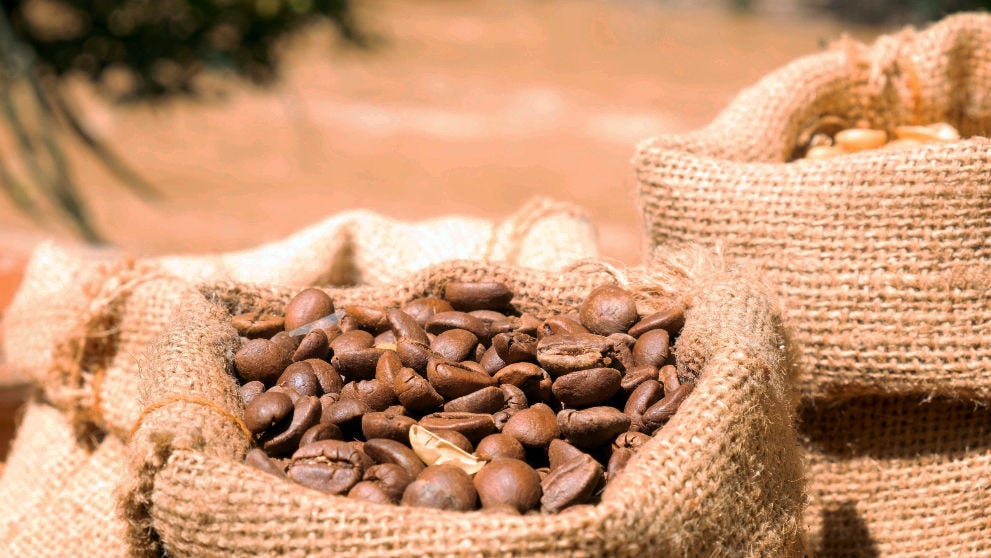
/content/dam/nigeria/b2b-advice/b2b-advice/Unlocking the Potential.jpg

Unlocking the Potential: What the Ban Could Deliver

The benefits of locking raw nuts into domestic processing chains are tangible. It will spark demand across transport, storage, grading, packaging, and export logistics, while boosting work for millers, refiners, and cosmetic formulators. Crucially, it will uplift rural women, who constitute the majority of shea collectors and initial processors, by increasing their incomes. As factories ramp up to full capacity, related sectors like packaging suppliers, certified labs, cold storage, and freight forwarders will also expand, creating jobs well beyond the factory floor.

The government is already mobilizing support. The Raw Materials Research and Development Council (RMRDC) is championing a 30% value-addition target, rolling out pilot plants, domestication programs, and model processing centers aimed at improving quality and industrial readiness. These interventions are vital value addition doesn’t happen by chance. It demands investment in technology, training, quality control, and strong market connections.

Addressing Real Risks to Success

Ambition alone won’t guarantee success. A sudden drop in raw nut supply could depress farm-gate prices, hurting the very communities the policy aims to support a risk already observed following the announcement. Porous borders and informal trade risk diverting raw nuts to neighboring countries, where buyers may pay in foreign currency, undermining domestic processing efforts. Additionally, persistent challenges like unreliable power, limited SME financing, and gaps in storage and transport infrastructure threaten to blunt the policy’s impact unless tackled swiftly and transparently.

A Pragmatic Roadmap Forward

A balanced approach is essential. Combining firm enforcement with targeted support will yield the best results. Phased implementation, financial incentives for processors, guaranteed minimum prices or safety nets for collectors, and rapid investment in rural logistics and quality assurance labs must all come together. Public-private partnerships and commitments from international buyers, shifting contracts from raw to processed supply, will reinforce confidence as capacity builds.

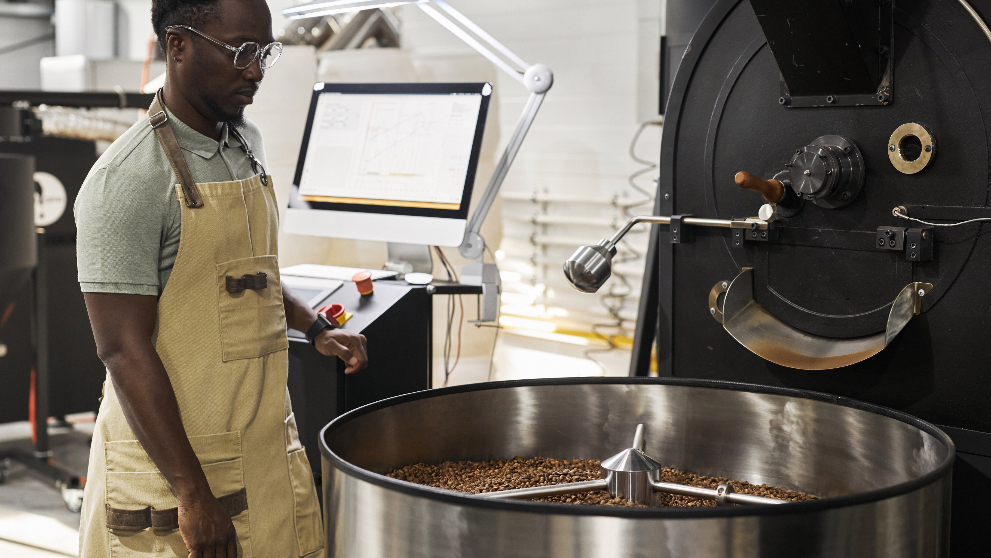
/content/dam/nigeria/b2b-advice/b2b-advice/A New Chapter for Nigeria’s Export Economy.jpg

A New Chapter for Nigeria’s Export Economy

Nigeria’s shea nut policy is more than a trade regulation, it’s an opportunity to rewrite a familiar story: moving from exporting raw materials to building competitive industries. The potential is vast: new jobs, increased foreign exchange, higher incomes for women, and a place at the table in global brands and formulations. But success hinges on protecting smallholders, shutting down leakage, and mobilizing investment to transform kernels into premium products that command global prices.

FInally

If you’re a processor, exporter, or logistics partner ready to bring value-added shea products to global markets, now is the moment to act. Partner with logistics experts who understand export compliance, temperature-controlled handling for cosmetics and food-grade items, and fast, reliable international shipping. DHL’s global network and trade services are designed to help you deliver your shea products from factory floor to the world’s shelves. Open a DHL business account today and take your place in this exciting new chapter.

For Nigeria, for our harvesters, millers, and women cooperative leaders, this policy could mark the start of a new industrial era. But it will only become reality if bold policy meets practical, well-funded execution.