December marks the peak of spending in Nigeria. After a year of saving and with family celebrations around the corner, Nigerians are ready to invest, but they do so with purpose.
Their spending is strategic, not impulsive. And when it comes to product bundles, success depends on aligning your offer with how Nigerian consumers truly make decisions.
Too many businesses just slap bundles together, “Buy three, get 10% off” hoping that customers will buy more without understanding their real motives. To stand out, your bundles must be thoughtfully crafted to deliver genuine value.
Why Nigerians Choose Bundles (When They Do)
Word of mouth carries immense weight in Nigeria—friends, family, and social media shape buying choices. When a bundle feels like a genuine deal, customers happily share it; if it feels like a gimmick, negative buzz spreads just as fast. Your bundle should come across as a helpful offer, not a tactic to dump slow-moving stock.
Nigerian consumers are practical and value-driven. They evaluate whether your bundle saves money, solves a problem, or simplifies their lives. If it misses these marks, it won’t sell.
Consider this: 65% of Nigerian shoppers rate price as a top factor in their purchasing decisions. Among urban buyers, 72% pick the more affordable option when products are similar. Bundles succeed when they clearly make affordability and convenience undeniable.

Three Bundle Types That Actually Drive Sales
1. Problem-Solving Bundles
These packages are designed to meet a specific need, not just a random collection of items. Think carefully about what customers truly need together.
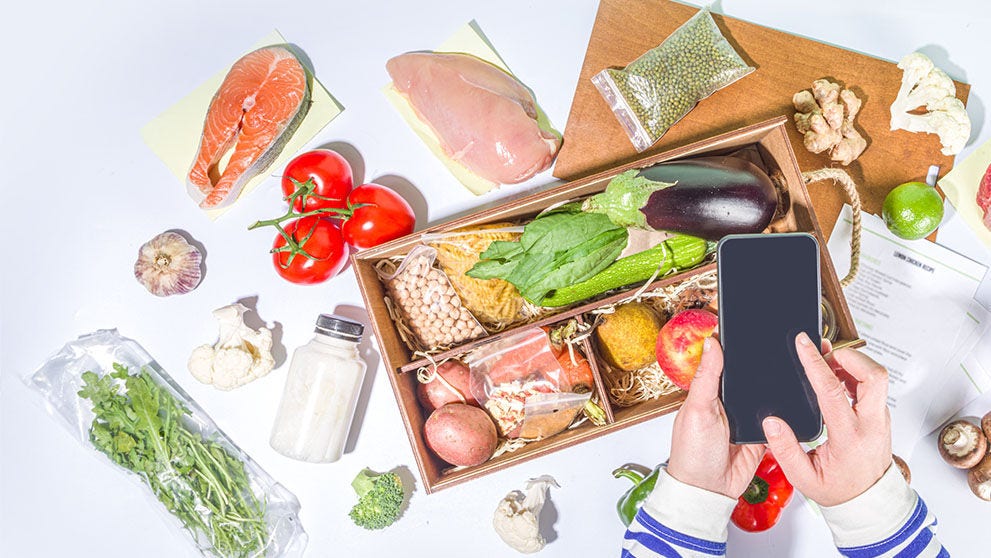
If you sell electronics, offer a phone bundle with a matching screen protector, case, and charger. Beauty retailers can combine shampoo, conditioner, and a treatment tailored to a particular hair type. Food sellers should bundle ingredients to prepare complete meals, not random stock.
Your customer’s reaction should be, “They really understand what I need,” rather than, “They just want to get rid of more stuff.”
2. Celebration Bundles
December in Nigeria buzzes with parties, family gatherings, and gift-giving. Reflect this in your bundles.
Clothing brands can offer full outfits with accessories included, making dressing for the occasion effortless. Food vendors should create party-sized bundles scaled for 10, 20, or 50 guests. Home goods sellers can group decorations that coordinate perfectly, rather than just throwing in Christmas-themed items randomly.
Know what your customers are preparing for and simplify the experience.
3. Value Bundles for Extended Families
Many Nigerians shop for extended family this season, parents buying for kids, people buying gifts for relatives. Your bundles should make bulk buying easy and affordable.
Instead of vague deals like “Buy 3 get 10% off,” try explicit offers: “Family pack: 5 items for the price of 4,” “Back-to-school bundle for three children,” or “Christmas pack for extended family.” Make it crystal clear they’re saving money and covering their needs exactly.
Pricing Bundles That Sell
Your discounts must be genuine, none of those token 5% cuts or “special prices” that are actually the regular price. Real savings that customers can do the math on and feel good about are key.
For example, if individual items total ₦10,000, price your bundle at ₦8,000 or ₦8,500. The benefit should be obvious from the start.
Don’t inflate “original prices” that no one ever paid. Nigerian consumers are savvy, they check prices, compare deals, and ask around. If your numbers don’t add up, trust is lost and your bundles won’t sell.
What to Avoid in Bundles
Never mix items no one wants with popular products hoping customers won’t notice. That strategy backfires, insulting buyers and eroding trust.
Avoid expired or near-expired products, damaged goods, or last season’s items that failed to sell. Bundling these won’t solve the problem; it will only drive customers away.
Every item in your bundle should be something customers would happily buy on its own.

The Right Time to Launch Bundles
Launch your bundles now, December is the prime shopping season. Shoppers already know their needs and are seeking value. Your bundles should be front and center.
Launching too late is a common mistake. By December 28th, most buying is done. Your strategy should roll out early December to give customers time to evaluate, discuss with family, and buy.
Plan ahead for other high-spending periods next year, like back-to-school in September, Easter, Mother's and Father’s Day. Bundles work best when tied to specific occasions and buying needs.
Logistics: The Backbone of Successful Bundling
Reliable delivery is non-negotiable when offering bundles. Customers expect every item in their 5-piece bundle to arrive together, on time.
If your products come from different warehouses or suppliers, coordinate before selling. The last thing customers want is managing multiple deliveries, it’s your responsibility to ensure seamless fulfilment.
For businesses shipping bundles across Lagos or beyond, dependable logistics mean customers receive their complete orders as promised. Missing even one item ruins the experience and harms repeat business.
This is where DHL’s expertise matters. Managing multi-item bundles across various locations requires logistics that work flawlessly, tracking that keeps you informed, on-time deliveries, and accountability when issues arise.
Opening a DHL business account can turn your bundle fulfilment into a competitive edge. Because even the best bundle means nothing if it can’t get into customers’ hands smoothly.
Make this season your most successful yet by creating bundles that resonate with Nigerian shoppers, and delivering them with the reliability they expect.


 Share
Share
Similar Stories