As we move through the final quarter of 2025 and into 2026, Nigerian exporters face a dynamic landscape shaped by evolving policies and new opportunities. With the government championing “Nigeria-first” procurement rules and minimum local processing mandates, alongside regional shifts under the African Continental Free Trade Area (AfCFTA) and fresh trade schemes like the UK’s Developing Countries Trading Scheme (DCTS), the rules governing market access are rapidly changing.
For exporters ready to plan strategically and act decisively, these changes present a chance not just to protect margins but to open doors to new customers and markets.
Key Policy Developments to Watch
“Nigeria-First” Procurement: Government agencies now prioritize locally produced goods and services. If your business aims to supply public projects or government-affiliated firms, demonstrating local content compliance and maintaining thorough registration documentation is essential to stay competitive.
Local Processing Requirements: Emerging legislation may require exporters to process a minimum percentage of goods locally before shipment. This shift calls for increased capital investment and stronger supplier partnerships but also unlocks opportunities to capture greater value and command higher prices.
Import Restrictions and Substitution: The government is tightening import controls on products it believes can be produced domestically. While this may disrupt established procurement channels, it also encourages building local supply chains, turning challenges into potential growth avenues.
AfCFTA Tariffs and Rules of Origin: Regional tariff reductions under AfCFTA make cross-border trade more accessible, provided exports meet strict rules of origin and quality standards. Certification and traceability are now as critical as competitive pricing.
New Preferential Trade Schemes: The UK’s DCTS and similar programs offer reduced or zero tariffs on thousands of eligible products. These schemes create tangible revenue opportunities but require exporters to prove origin, comply with documentation, and manage payments efficiently.
Financial and Payment Landscape: Foreign exchange access, conversion costs, and cross-border payment processes are evolving quickly. Leveraging fintech innovations and multi-currency solutions can accelerate fund receipt and minimize conversion losses, a must for exporters managing global transactions.
Unlocking the UK Market with DCTS
Among international opportunities, the UK’s Developing Countries Trading Scheme stands out. It expands duty-free or reduced tariff access to over 3,000 Nigerian products including cocoa, cashews, textiles, and sesame oil, lowering export costs and easing documentation. This scheme is especially beneficial for Small and Medium-sized Enterprises aiming to enter the UK’s premium market.

Meeting New Market Expectations
To thrive under these changing rules, start with a value-chain audit: identify where your product gains value, which processes can be localized, and the certifications buyers expect, whether quality, sanitary, or phytosanitary.
Begin with cost-effective improvements like packaging enhancements, basic grading, and batch traceability, then scale up local processing as demand and financing allow.
Adapting to Financial Shifts
Beyond tariffs, managing cash flow and international payments requires smart tools. Fintech companies like Leatherback offer practical solutions,. multi-currency wallets, streamlined FX conversions, and rapid cross-border payments that help exporters reduce costs and ensure compliance, particularly in trade with the UK and other key partners.
Mitigating Risks in a Changing Landscape
Policy shifts bring uncertainty. To navigate this successfully:
Maintain buffer stock and diversify suppliers to manage sudden policy enforcement or import bans.
Stay fully compliant to avoid risks associated with smuggling and parallel markets, keeping insurers and banks confident in your operations.
Address capital pressures for processing investments through phased financing, blended funding models, or toll-processing partnerships rather than heavy upfront spending.

Seizing Opportunities Today
These policy changes are not roadblocks, they’re catalysts for modern, value-added trade. Position your business to:
- Leverage DCTS and AfCFTA to access premium and regional markets.
Strengthen your government procurement prospects with formalized local content and registration.
Partner with fintechs to optimize cash flow and manage FX risks, protecting margins and enabling faster reinvestment.
Partnering for Success
The Nigerian government and global trade partners are clear: value addition and local capacity building are the future. Exporters who combine compliance, financial agility, and market diversification will lead in 2026 and beyond.
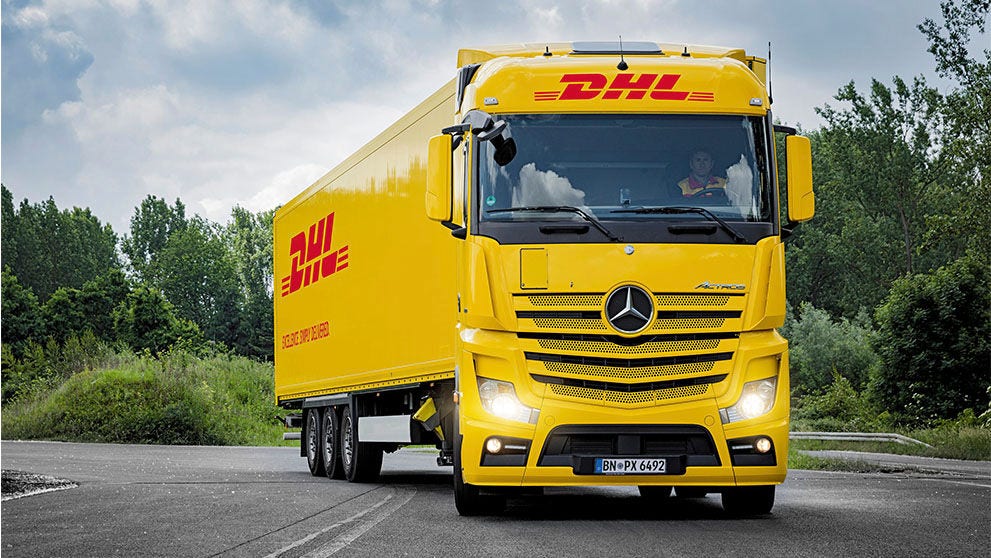
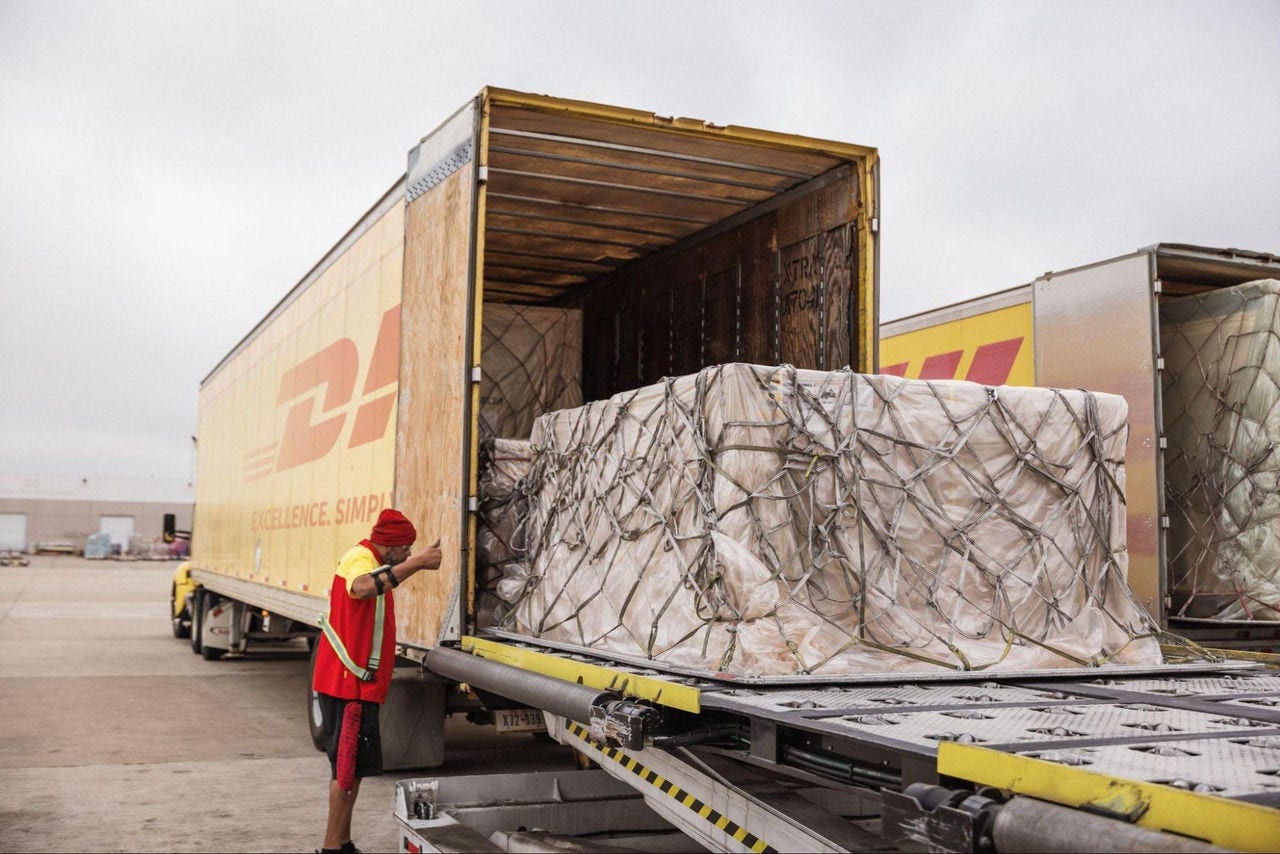
To navigate these shifts smoothly and scale your operations internationally, reliable logistics are vital. DHL stands ready as your trusted partner, ensuring your value-added Nigerian products move efficiently, securely, and compliantly from warehouse to market, anywhere in the world.
Discover how DHL can help you unlock new markets and elevate your export potential.


 Share
Share
Similar Stories