Chinese New Year 2026 officially fell on February 17, with celebrations spanning from February 15 to 23. If you’re checking in now, late February or early March, you’re probably wondering when your Chinese suppliers will be back to full production speed.
The short answer? Not quite yet. The reality is more complex.
Here’s a detailed look at what’s happening on the factory floors in China right now, why March often signals a production slowdown, and practical strategies to keep your orders on track during this period.
Decoding the March Production Slowdown
The so-called “March gap” is the period between factories reopening and reaching full production output. This isn’t about inefficiency or unexpected delays, it’s a structural reality of the post-holiday cycle.
Each year, over 300 million migrant workers travel back to their hometowns, often far-flung rural areas, for the New Year. Their return to work is staggered: some extend their leave, others may not come back at all, forcing factories to recruit and train replacements. The Lantern Festival on March 3, 2026, traditionally marks the close of the Spring Festival celebrations, with many workers returning only after this date.
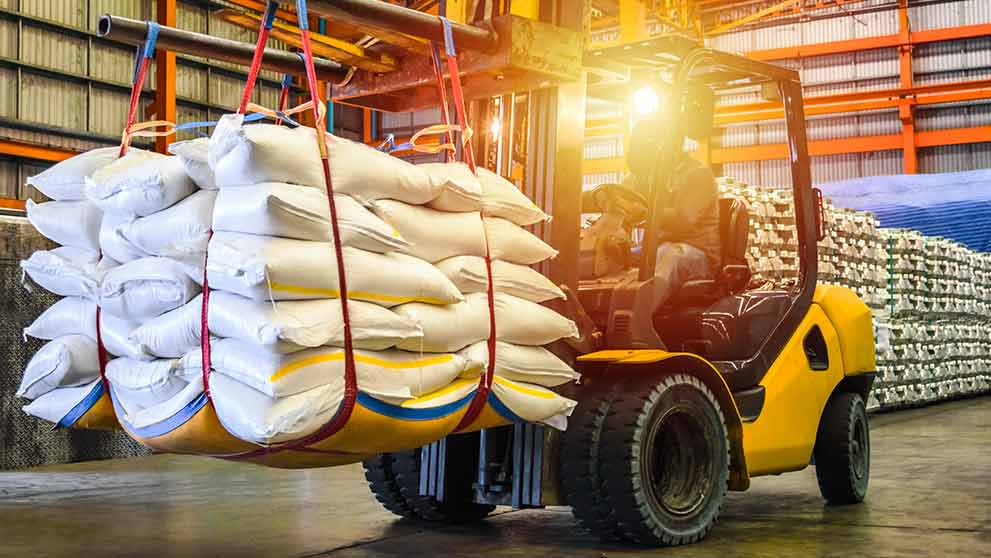
But labor availability is just part of the story. Machinery that’s been idle for weeks requires thorough inspection, testing, and recalibration. Supply chains need time to realign, while your factory might be ready, their suppliers often aren’t. Quality control processes must be re-established after the holiday rush and with new team members on board.
The outcome? Factories typically operate well below capacity for several weeks following the official holiday.

What to Expect, Week by Week
Late February (Feb 25-28): Factories reopen with management returning first and some production lines restarting. Capacity is around 30-35% as many workers are still traveling or deciding whether to return.
Early March (March 1-7): Production ramps up to 50-60%. More staff return, machinery recalibrations continue, and supply chains begin catching up.
Mid-March (March 8-15): Operations reach 80-90% capacity. Most workers are back, and production schedules stabilize.
Late March and beyond: Most factories return to full operational capacity.
A factory reopening on February 25 means the doors are open, not that your order is instantly moving at full speed.
How This Affects Your Orders
Orders placed before January: These were expected to finish by late February but will face delays. The length depends on where they were in the production queue before the holiday. It’s crucial to get realistic timelines from your supplier now, not just optimistic projections.
Orders placed in March: Expect longer lead times as factories work through backlogs and new orders. What normally takes three weeks may stretch to five or six.
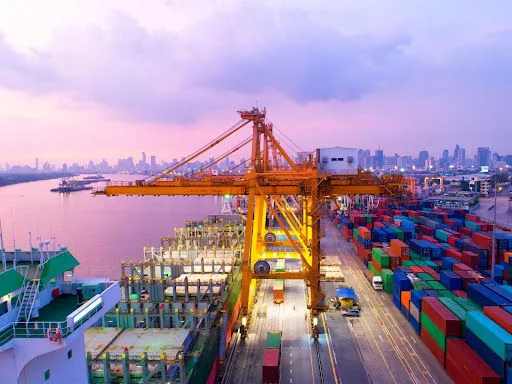
Urgent orders needed by mid-April: To meet tight deadlines, shipments should depart by early March. Air freight offers speed but at a premium. Ocean freight from China typically takes 14 to over 40 days depending on the route.
Orders for April-May delivery: March is the best time to place these. Production is ramping up, ocean freight rates often ease after the pre-holiday surge, and major bottlenecks have started clearing.
Navigating This Period Successfully
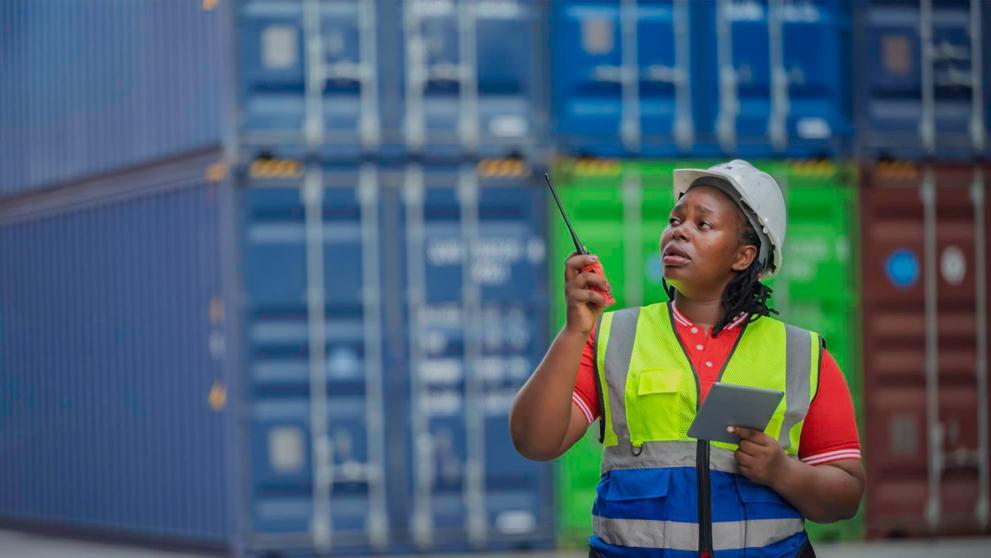
Stay informed: Maintain open communication with your supplier through calls or video chats. Don’t settle for reopening dates alone, ask about staffing levels, current production capacity, specific timelines for your orders, and when full capacity is expected.
Be flexible with product specifications: If possible, start production on available capacity rather than waiting for full scale. Partial output beats delays.
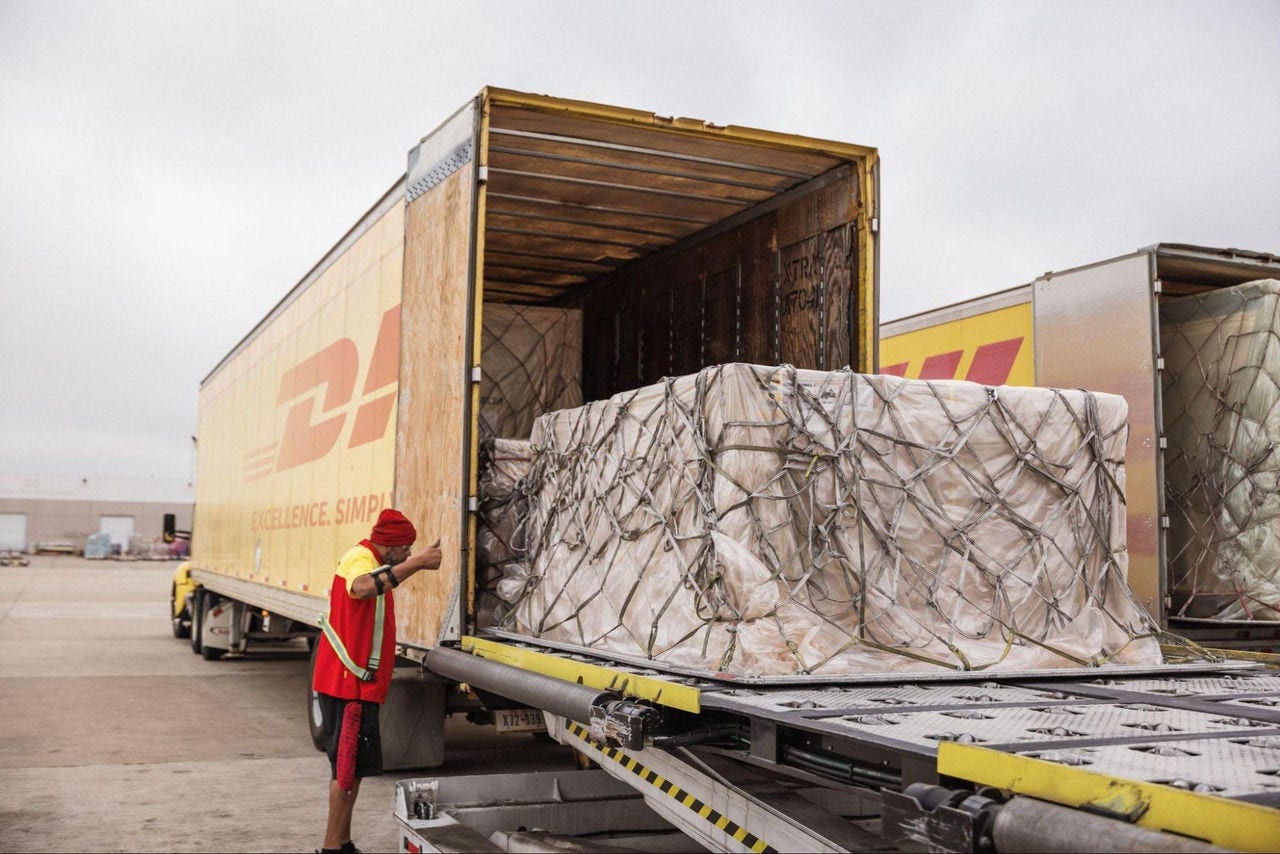
Consider split shipments: Ship urgent items by air for immediate needs and the rest by sea to control costs. This hybrid approach is common in March to keep inventory flowing.
Secure your April-May production slots now: Use March to book ahead and avoid bottlenecks as factories return to full speed.
Document your experience: Track what happened versus what was promised. Which suppliers communicated clearly? Who met their timelines? This insight will be invaluable for planning around Chinese New Year 2027.
A Critical Planning Insight
Chinese New Year disruptions are predictable, yet many businesses plan only around the official holiday dates and overlook the broader operational impact.
Factories don’t leap from zero to full capacity overnight. Workers trickle back, supply chains take time to restart, and what seems like a two-week holiday often turns into six to eight weeks of production disruption, from a slowdown starting mid-January to full recovery in mid-March.
If you’re feeling the pressure now, you’re not alone. The key is to plan next year for the entire disruption window, not just the holiday itself.
Need help managing your shipments? DHL understands the complexities of Chinese New Year and every major production cycle. Open a DHL business account today and access expert logistics support tailored to keep your supply chain moving smoothly.


 Share
Share
Similar Stories