If you’re in the business of moving goods across Nigeria’s borders, you know how challenging customs clearance can be. Every hour spent waiting at the border is an hour not spent growing your business.
That’s where the Authorised Economic Operator (AEO) Programme comes in, a game-changer launched by the Nigeria Customs Service (NCS) in February 2025.
AEO certification rewrites the old rulebook. It’s about trust, efficiency, and a new partnership with customs. This guide walks you through what the AEO Programme offers, who’s eligible, how the two certification tiers work, and how to get started.
What Is the AEO Programme?
The AEO Programme is a voluntary, globally recognised certification for trusted traders. Rooted in the Nigeria Customs Service Act, 2023, and aligned with international standards set by the World Customs Organisation (WCO), the AEO Programme rewards businesses that prove they operate securely, responsibly, and in compliance with customs regulations.
Here’s the bottom line: if your business has a solid track record in customs compliance, strong financials, and secure supply chain management, you can qualify for smoother and faster customs processing. The programme is open to all supply chain players, manufacturers, SMEs, freight forwarders, logistics providers, and more. This marks a significant shift from the old Fast Track Scheme, which was mainly for manufacturers. Now, the benefits are open to a much broader group.
Why It Matters Now
The numbers speak for themselves. During the pilot phase, AEO-certified shipments cleared customs in just 43 hours on average, a dramatic reduction from the typical 168 hours (seven days). Three pilot companies saved a combined 100 million naira from September to December 2024. Since the full rollout, AEO-certified firms have reported a 29.7% boost in trade revenue and an 85.7% increase in customs duties paid, all thanks to faster, more predictable clearance.
Who Can Apply?
The AEO Programme is designed for Nigerian businesses engaged in international trade: importers, exporters, logistics operators, customs agents, freight forwarders, and more. Both large companies and SMEs are welcome—two of the six pilot participants were small businesses, and the NCS has set up a dedicated SME desk to help smaller firms navigate the process.
The Two Tiers: AEO-C and AEO-S
Nigeria’s AEO Programme offers two certification tiers, each tailored to different business needs:
AEO Customs Simplification (AEO-C)
This entry-level certification is for businesses with a solid customs record and stable finances. If your company maintains good compliance, keeps accurate records, and shows financial reliability, you could qualify. AEO-C status comes with perks: faster customs clearance, fewer physical inspections, a dedicated relationship manager, and easier access to rail and barge operations. Certificates are valid for three years.
AEO Security and Safety (AEO-S)
AEO-S is the gold standard. It’s for companies that, in addition to meeting the AEO-C requirements, invest in advanced supply chain security. Benefits include all of the above, plus the fastest possible clearance (NICIS green lane), no FOU escorts, and priority processing during heightened security alerts. If you export high-value or time-sensitive goods, or want to stand out for international recognition, AEO-S is worth aiming for. Certification lasts five years.
In short, AEO-C is accessible to most well-managed businesses, while AEO-S requires extra security measures but unlocks even greater advantages.

General Eligibility Requirements
No matter which tier you choose, every applicant must meet core requirements:
Registration: Your company must be registered with the Corporate Affairs Commission (CAC) for at least three years for AEO-C and five years for AEO-S.
Tax Compliance: Valid Tax Clearance Certificate and a Tax Identification Number (TIN) from the Federal Inland Revenue Service (FIRS). Three years of tax records for AEO-C, five for AEO-S.
Financial Solvency: Submit audited financial statements covering the relevant period (three or five years), showing solid financial health.
Licences and Certifications: Hold all necessary operational licences and regulatory approvals: SON, NAFDAC, or CLRD, as applicable.
Security Documentation: Provide security policy documents, operational procedures, and proof of insurance. AEO-S applicants must also have ISO 28001 certification for supply chain security.
The Application Process
Step 1: Self-Assessment
Start with the NCS Self-Assessment Questionnaire (SAQ) on the AEO portal. This isn’t just paperwork, it’s your first checkpoint. Make sure you meet all requirements before proceeding.
Step 2: Application Submission
Apply through the official AEO portal (aeo.nigeriatradehub.gov.ng). The entire process is managed online, from start to finish.
Step 3: NCS Validation
NCS reviews your compliance record, visits your facilities, and checks your financial and legal documents. Be ready for active involvement from your compliance team.
Step 4: Certification or Improvement
If you don’t qualify right away, you’ll join a two-year Compliance Improvement Programme, a structured path to help you meet the standards and reapply.
Maintaining Your AEO Status
Certification is a badge of trust, and it comes with responsibility. The NCS actively monitors compliance and can suspend certification for violations, as happened recently with a company that misdeclared shipments. On the flip side, companies that proactively disclose issues, like underpaid duties, are recognised for their integrity. This programme rewards honesty and continuous compliance.
Unlocking International Opportunities
AEO status isn’t just a local advantage. As Nigeria aligns with global trade standards, AEO-certified exporters will gain easier access to mutual recognition agreements with foreign customs authorities. This could mean faster clearance not just in Nigeria, but in key markets around the world, giving Nigerian goods a valuable edge overseas.
How DHL Supports AEO-Certified Exporters
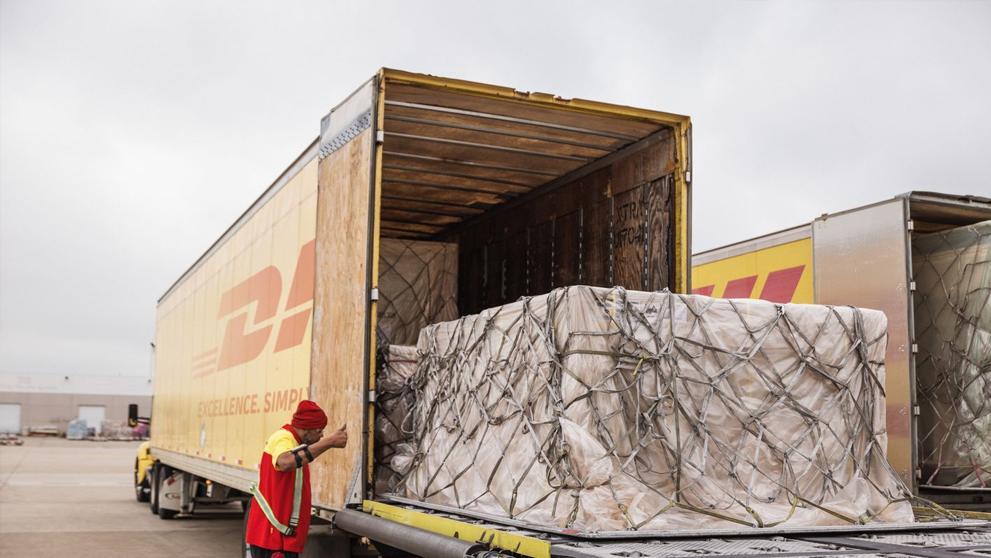
AEO certification can transform your cross-border operations, but only if your logistics partner keeps up. DHL supports AEO-certified exporters nationwide with expert documentation, end-to-end shipment visibility, and seamless customs clearance. For exporters shipping at scale, a DHL business account ensures you get the most from your AEO status, helping every shipment move faster, smoother, and with fewer surprises.
Ready to take your exports to the next level? Open a business account with DHL and let’s make every border crossing count.


 Share
Share
Similar Stories