DHL Supports Surf Life Saving New Zealand in Sharing Life-Saving Beach Safety Messages
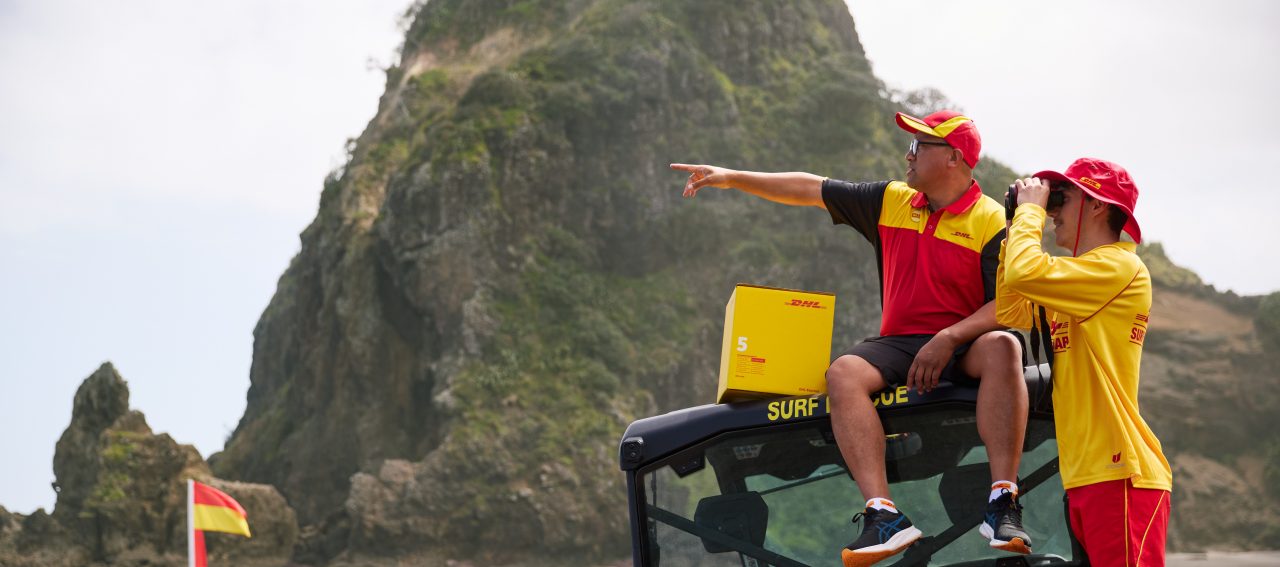
Surf Life Saving New Zealand (SLSNZ) is one of our long-standing partners, since 2003. For over two decades, DHL has stood alongside SLSNZ in their vital mission to keep Kiwis safe on our beaches. Our shared commitment goes beyond logistics - it’s about helping save lives by raising awareness of beach safety across Aotearoa.
Every summer, thousands of SLSNZ volunteers dedicate their time to patrol our coastlines, educate beachgoers and respond when people get into trouble. Their dedication embodies the spirit of community service and we’re honoured to support their incredible work.
Over the summer season, we partnered with SLSNZ to promote key beach safety messages through a series of engaging videos shared across social media. Each video highlighted simple yet life-saving tips to remember before heading to the beach, with audiences encouraged to test their knowledge by entering our competition.
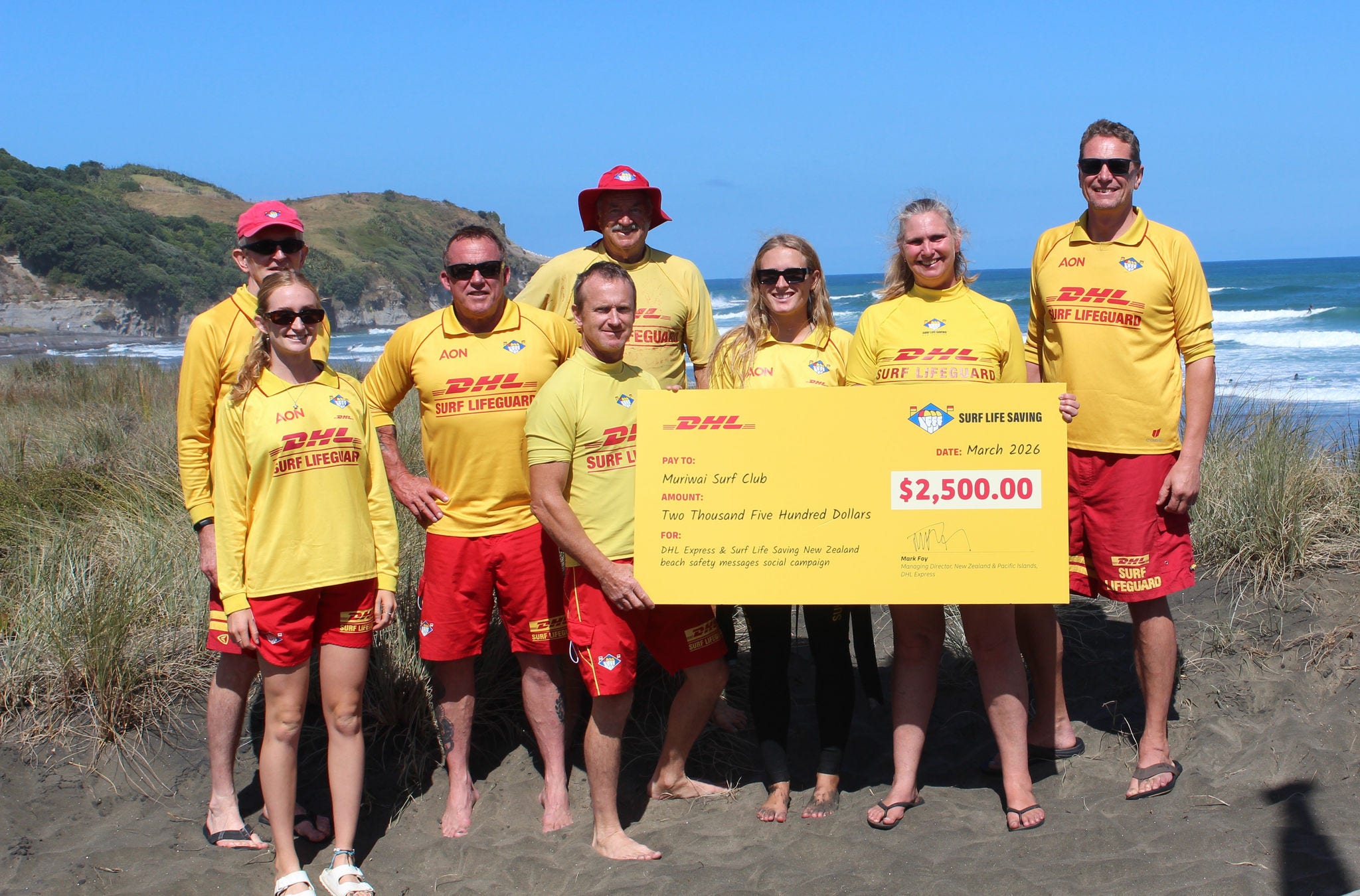
Harry Davies was announced as the winner, taking home NZD $500, along with a NZD $2,500 donation to his chosen surf club, Muriwai Surf Club.
Congratulations to our winner, and a big thank you to everyone who participated and helped amplify these important beach safety messages.
KNOW HOW TO FLOAT
If you don’t know how to float, don’t go into the water.
Just being able to float when you are in the water can increase your chance of survival. Floating allows you to calm yourself and keep your airways out of the water. It is also the first thing to do if you get caught in a rip. If you don’t know how to float well, practice or get some lessons in a pool before you head to the beach - being able to float is a key skill when learning to swim. Anyone can learn to float but some people may take a little longer to learn.
Please see here for more information on the importance of floating first.
If you don’t know how to float, don’t go into the water.
Just being able to float when you are in the water can increase your chance of survival. Floating allows you to calm yourself and keep your airways out of the water. It is also the first thing to do if you get caught in a rip. If you don’t know how to float well, practice or get some lessons in a pool before you head to the beach - being able to float is a key skill when learning to swim. Anyone can learn to float but some people may take a little longer to learn.
Please see here for more information on the importance of floating first.
FIND THE SAFEST PLACE TO SWIM
Remember if you are heading to the beach, check www.safeswim.org.nz to find a lifeguarded beach, and always swim between the red and yellow flags, which show the safest place to swim. The surf lifeguards are there to help keep beachgoers safe, by keeping a constant eye on sea as they continuously scan for hazards or people in difficulty, keeping on top of weather forecasts and understanding the swell and tide conditions too.FIND THE SAFEST PLACE TO SWIM
FIND THE SAFEST PLACE TO SWIM
Remember if you are heading to the beach, check www.safeswim.org.nz to find a lifeguarded beach, and always swim between the red and yellow flags, which show the safest place to swim. The surf lifeguards are there to help keep beachgoers safe, by keeping a constant eye on sea as they continuously scan for hazards or people in difficulty, keeping on top of weather forecasts and understanding the swell and tide conditions too.
IF IN DOUBT, STAY OUT
Waves can be bigger than they look, dangerous rip currents are hard to spot and weather conditions can be unpredictable. If you feel uncomfortable about getting into the water, stay out. It’s better to be safe than sorry. Too many people get into trouble in the water because they overestimate their abilities and underestimate the conditions.IF IN DOUBT, STAY OUT
IF IN DOUBT, STAY OUT
Waves can be bigger than they look, dangerous rip currents are hard to spot and weather conditions can be unpredictable. If you feel uncomfortable about getting into the water, stay out. It’s better to be safe than sorry. Too many people get into trouble in the water because they overestimate their abilities and underestimate the conditions.
TAKE CARE OF OTHERS
Always keep children within arm’s reach in or near the water. Waves can move quickly and unexpectedly and can knock kids off their feet and sweep them away. Everyone has different levels of ability, so watch out for your mates too.TAKE CARE OF OTHERS
TAKE CARE OF OTHERS
Always keep children within arm’s reach in or near the water. Waves can move quickly and unexpectedly and can knock kids off their feet and sweep them away. Everyone has different levels of ability, so watch out for your mates too.
KNOW HOW TO GET HELP
If someone in the water is in trouble and surf lifeguards are on patrol, let them know. If you can’t see any surf lifeguards, call 111 and ask for police. Police have a direct line to surf lifeguards and others who can help.
If you’re in the water and in trouble yourself, signal for help.
KNOW HOW TO GET HELP
KNOW HOW TO GET HELP
If someone in the water is in trouble and surf lifeguards are on patrol, let them know. If you can’t see any surf lifeguards, call 111 and ask for police. Police have a direct line to surf lifeguards and others who can help.
If you’re in the water and in trouble yourself, signal for help.
Together with Surf Life Saving New Zealand, DHL is proud to help deliver safer beaches for everyone.
Learn more about DHL Express' partnerships.
Source: https://www.surflifesaving.org.nz/stay-safe/beach-safety-messages


 Share
Share