Navigating the complexities of importing goods into New Zealand shouldn't mean facing endless delays or unexpected border fees. For businesses, a smooth arrival depends on accurate paperwork and a clear understanding of tax obligations before the shipment even leaves the warehouse. By leveraging DHL Express NZ’s global international delivery network, importing becomes simpler and faster, allowing your products to clear the border without a hitch.
To help you get started, this guide provides an overview for anyone bringing goods into NZ, covering 2026 updates to import GST and duties, essential permits, and tips for efficient customs clearance.
Understand New Zealand import charges
The first hurdle in importing goods into NZ is often a financial one. When you are importing into New Zealand, the most common question is: "What will I pay, and when?" The short answer is that while almost all items are taxed, the specific import charges depend on the value and category of your goods.
Most commercial imports are subject to import GST at a flat rate of 15%. This is generally calculated on the "landed value" — the cost of the goods plus international shipping and insurance1.
Beyond GST, you may encounter these additional costs:
- Import duties: These vary by product type (HS code) and country of origin. While many items attract 0% duty, others — like clothing and footwear — can range up to 10%2.
- Excise duty: Specifically for "sin tax" items like alcohol and tobacco, excise is calculated based on volume or weight rather than just value3.
- Goods management levies: Starting 1 April 2026, New Zealand has shifted to a fairer, consignment-based levy. This replaces the older per-report cargo fees with a transparent charge — such as the NZ$2.21 + GST low-value import levy — applied to every consignment to cover border processing costs4.
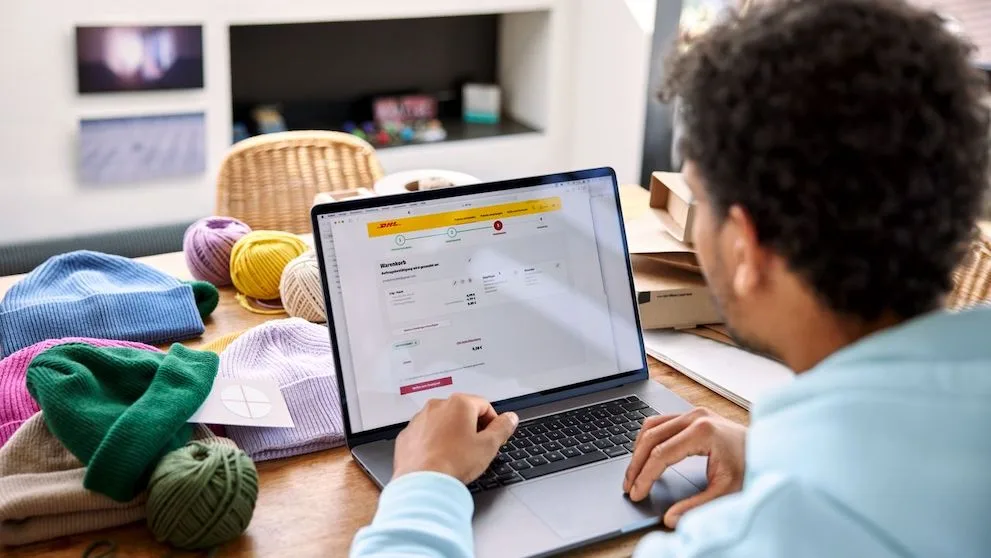
Typically, these charges are billed once the goods reach the border. However, by using a DHL Express service, you can often manage these payments digitally before delivery, helping you avoid "doorstep surprises" and ensuring your international delivery remains on schedule.
Check if your goods are restricted or require MPI / Medsafe clearance
While taxes are a major part of importing into New Zealand, ensuring your products are actually allowed across the border is equally vital. Missing a required permit can lead to immediate customs holds, inspection delays, and mounting storage fees that quickly erode your margins.
Before you commit to bringing goods into NZ, group your products into these categories to see if they need an extra "green light" from regulatory bodies5:
- Food, plants, and animal products (MPI): To protect New Zealand’s unique ecosystem, the Ministry for Primary Industries (MPI) has strict rules for anything that could carry pests or diseases. This includes fresh produce, seeds, wooden items, and even used machinery6.
- Medicines and supplements (Medsafe): Importing therapeutic products or high-strength supplements often requires a Medsafe permit7. Many items that are "over-the-counter" in other countries may be classified as prescription-only in New Zealand.
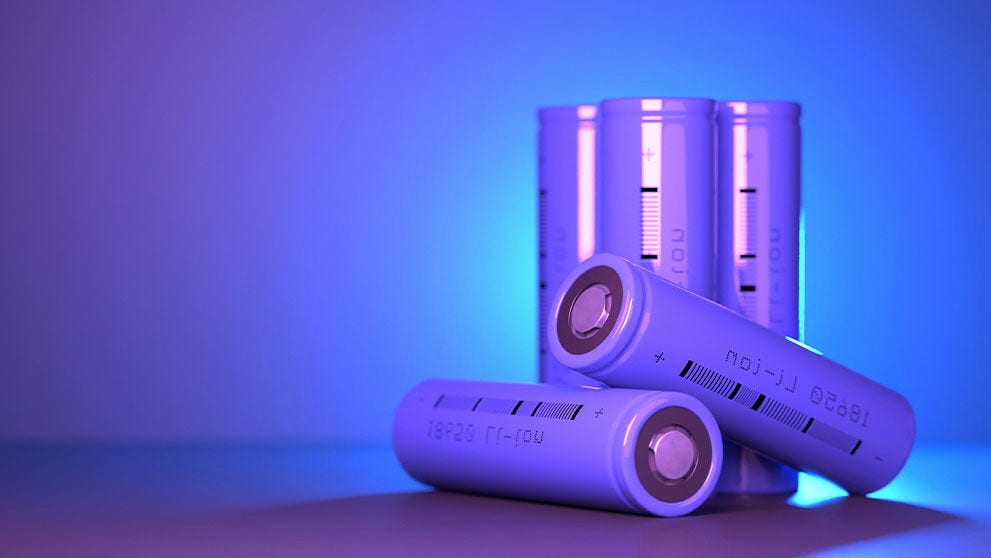
- Dangerous goods: Items containing lithium batteries (like electronics), aerosols, or certain chemicals are restricted due to safety risks during international delivery and require specific labeling.
- Alcohol, tobacco, and controlled items: These goods have strict quotas, high excise duties, and often require specific import licenses or permits from New Zealand Customs.
- Controlled and objectionable material: This includes weapons, certain telecommunications equipment, and material deemed "objectionable" under NZ law.
The consequences of overlooked restrictions are significant, ranging from hefty fines to the destruction of your shipment. We strongly encourage you to confirm all permit requirements early, ideally before your shipping is booked, to ensure a seamless DHL import experience.