

#b2bAdvice


 Share
Share
Automotive Supply Chains in the Philippines: Managing Complexity in a High-Speed Industry
5 min read
Share
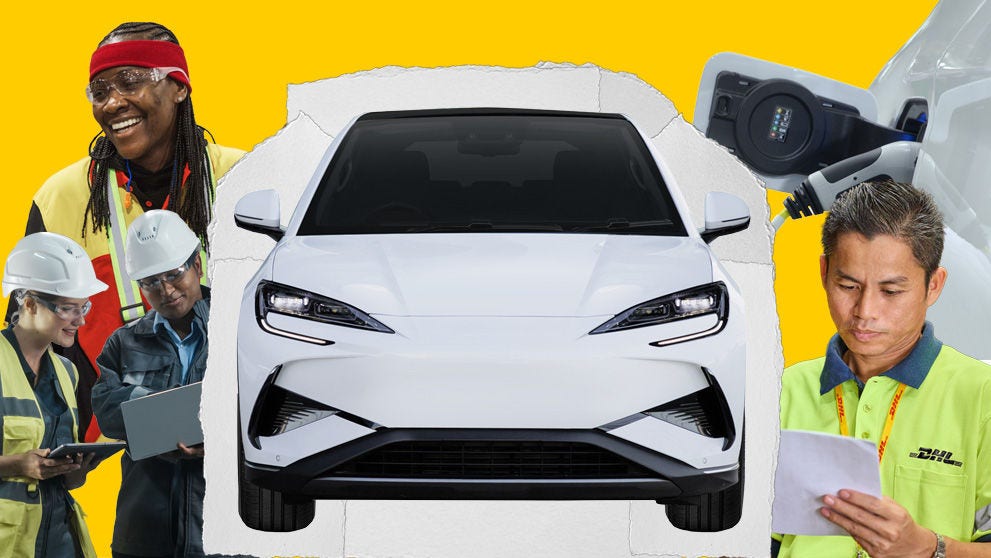
The automotive industry is one of the most time-sensitive and operationally complex sectors. Behind every vehicle rolling off a production line is a precisely coordinated flow of thousands of components, each one required to arrive at exactly the right place, at exactly the right time.
In the Philippines, where automotive assembly is concentrated in regions such as Laguna, Batangas, and Cavite, this level of coordination is especially critical due to reliance on imported components and regional supply networks.
Modern vehicle manufacturing depends on this synchronization. Parts like engines, microchips, braking components, and interior fittings all move through global supply chains before converging at assembly plants operating to tightly controlled schedules.
To maximize efficiency, many manufacturers rely on lean production models such as just-in-time (JIT) manufacturing. While this approach minimizes inventory costs, it also leaves little room for error. Even a small delay, particularly in markets with port congestion and logistics bottlenecks, can have significant consequences.
In this article, we explore the automotive logistics solutions helping businesses keep production moving and maintain profitability.
The Modern Automotive Supply Chain Landscape
The automotive supply chain is a vast, interconnected network that spans continents. It includes OEMs, Tier 1, Tier 2 and Tier 3 suppliers, and logistics providers working together to keep production moving.
In the Philippine context, this network is closely tied to the broader ASEAN ecosystem. Components are commonly sourced from countries such as Thailand, Japan, China, and South Korea before being imported through Manila, Batangas, and Subic ports.
A single vehicle assembled locally may include parts produced across several regions, reflecting the highly globalized nature of the industry.
This complexity makes logistics coordination critical. Every shipment must align with production schedules, and delays at any stage can disrupt the entire chain.
Adding to this complexity is the growing role of advanced electronics. Today’s vehicles rely heavily on semiconductors and sensors, increasing dependence on high-value, time-sensitive shipments that require precise handling.
Key Trends Transforming the Automotive Industry Supply Chain
The automotive sector is undergoing significant structural change, with several key trends reshaping supply chains.
Electrification is one of the most significant shifts. With the growing popularity of EVs, supply chains are being redesigned to support new production requirements. In the Philippines, policy support through the Electric Vehicle Industry Development Act (EVIDA) is helping accelerate adoption and infrastructure development.
At the same time, digitalization is transforming the vehicle itself. Modern cars are increasingly defined by software capabilities and electronic systems. This has led to a growing reliance on semiconductors and advanced components.
Regulatory pressures are also influencing supply chain strategies. Governments across ASEAN, including the Philippines, are introducing sustainability initiatives that encourage more efficient and lower-emission transport solutions.
The Growing Complexity of the EV and Battery Supply Chain
The shift toward electric vehicles is reshaping automotive supply chains, particularly when it comes to battery production.
EV batteries rely on raw materials such as lithium, cobalt, and nickel. The Philippines plays a key role as one of the world’s leading producers of nickel, a critical battery material.
However, much of this material is exported for processing abroad before being reintroduced into manufacturing supply chains. This creates long multi-tiered supply chains with increased exposure to disruption.
Transporting batteries and related components also introduces additional logistical complexity. These items are large, heavy, and subject to strict handling and regulatory requirements.
As production scales, manufacturers must build EV supply chains that are both efficient and resilient.
DHL Heavy Weight Express service can help, enabling businesses to ship large consignments such as EV batteries or bulk automotive parts quickly and reliably across borders, helping maintain production timelines without compromising on speed.
Line Stoppage – The Automotive Industry’s Most Critical Supply Chain Risk
Within automotive manufacturing, production lines are tightly synchronized. Components arrive in sequence to match the exact order of assembly.
This means if a single part is missing, the entire production line may be forced to stop.
In the Philippines, risks such as port congestion, urban traffic, and extreme weather conditions like typhoons can increase the likelihood of delays.
The consequences of line stoppage can be severe. Beyond financial losses, disruptions can delay deliveries and impact supplier relationships.
Maintaining continuity of supply is critical to avoiding these challenges.
Strategies for Building a More Resilient Automotive Supply Chain
Automotive businesses are increasingly focusing on proactive supply chain management.
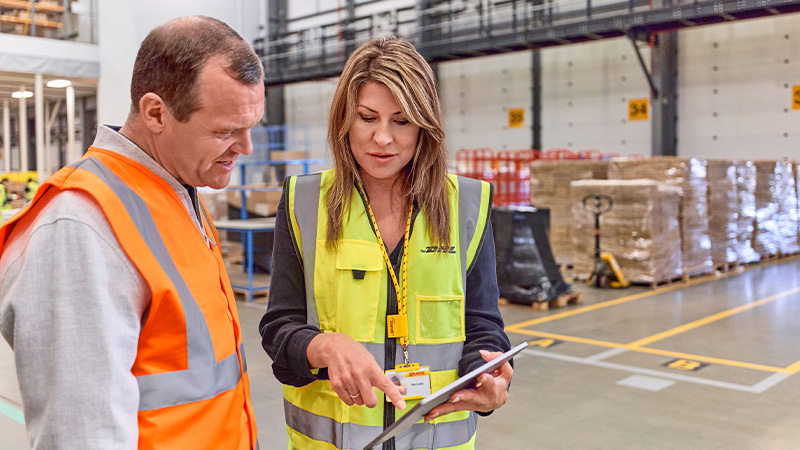
Real-time shipment visibility
Real-time shipment visibility allows companies to track components at every stage and respond quickly to delays. Predictive analytics helps identify risks such as congestion or weather disruptions.
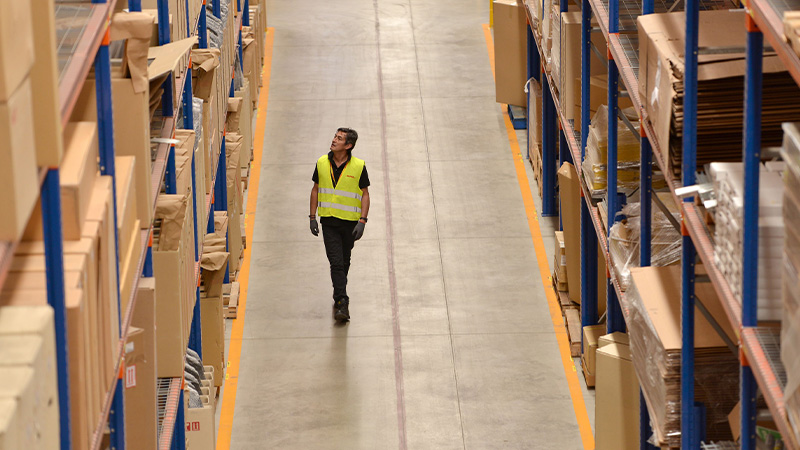
Supplier diversification
Supplier diversification reduces reliance on single sources, while flexible transport options allow businesses to adjust quickly when disruptions occur.
In the Philippines, alternative entry points such as Batangas and Subic ports are often used to reduce congestion risks.
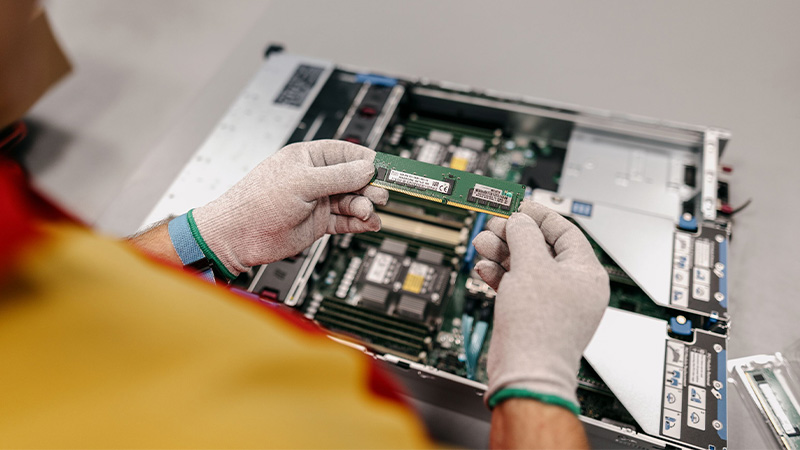
Strategic inventory positioning
Strategic inventory positioning also plays a key role. Placing critical components closer to production hubs helps reduce transit time and provides a buffer against delays.
Balancing Automotive Supply Chain Sustainability with Efficiency
Sustainability is becoming a key priority across the automotive industry.
Optimized transport routes help reduce fuel consumption and improve delivery reliability. Consolidated shipments increase efficiency by maximizing load capacity.
In the Philippines, locating inventory closer to manufacturing zones can reduce transport distance and improve responsiveness.
These approaches show that sustainability and efficiency can go hand in hand with the right logistics strategy.
How DHL Express Supports Automotive Supply Chain Resilience
In a sector where even small delays can have major consequences, the right partner makes a real difference. DHL Express supports automotive industry logistics with a global network built for speed, reliability, and flexibility, helping critical components move across borders when they’re needed most.
With real-time tracking, time-definite delivery, and experience handling complex, high-value shipments, DHL Express can help your business keep production lines running smoothly.
Get Started with DHL Express
Keep your production moving with a logistics partner you can rely on. Apply for a DHL Express Business Account to access preferential shipping rates, fast and reliable international delivery, expert customs support, and dedicated logistics guidance. Start shipping smarter and future-proof your automotive supply chain today.
 Share
Share
Similar Stories