

In January 2026, the Philippines and the United Arab Emirates made history by signing the Philippines–UAE Comprehensive Economic Partnership Agreement (CEPA) in Abu Dhabi, marking the first free trade agreement in the Philippines with a Middle Eastern nation.
The UAE is currently the Philippines' 18th largest trading partner1 and serves as a critical gateway to the broader Gulf region. As a result, this agreement allows Filipino businesses to export to UAE and access a high-income trade corridor that might have been previously out of reach without heavy investment.
This article breaks down what the PH-UAE CEPA means in practice for exporters from the Philippines, whether it is duty-free export opportunities or simplified customs rules, here’s how you can export products to the Middle East and begin capitalising on this agreement today.
Philippines export products: What can you ship duty-free?
One of the most immediate benefits of the CEPA is the elimination of tariffs on a wide range of Philippines export products. Here's where Filipino exporters stand to gain the most:
Agriculture & food
The Gulf has a strong and growing appetite for tropical produce and packaged foods. Under the CEPA, key agricultural exports now enjoy preferential or zero tariff rates, including:
- Bananas and pineapples
- Canned tuna and sardines
- Snack foods and processed food products
These categories have high demand across the UAE and neighbouring Gulf markets, making now an ideal time for Filipino food manufacturers and agri-exporters to scale up.
Manufacturing & electronics
Filipino manufacturers in the electronics sector will benefit significantly from duty free export on:
- Electronic equipment such as hair dryers and cameras
- Machinery and mechanical parts
- Automotive and aircraft components
This is a major win for export-oriented manufacturers who have long faced tariff-related cost disadvantages when trying to export to the UAE.
Consumer goods
The CEPA also opens doors for businesses in the personal care, cosmetics, and apparel industries. These sectors have been specifically identified as high-growth categories under the agreement. As such, duty free export for Filipino brands in these categories gives a real foothold in one of the world's most affluent consumer markets.
Simplified rules and greater predictability
Beyond tariff cuts, the PH-UAE CEPA free trade agreement addresses some of the structural challenges that have historically made export to the Middle East more complex.
Clearer rules of origin
To qualify for preferential tariff rates, Filipino exporters need to demonstrate that their goods are genuinely "Filipino-made." The CEPA establishes clearer, more standardised rules of origin criteria, reducing ambiguity and making it easier for businesses — especially MSMEs — to access the tax breaks they're entitled to.
Fewer non-tariff barriers
Red tape has long been a pain point in Middle Eastern customs processes. The agreement includes provisions to reduce non-tariff barriers, which means:
- Faster customs clearance times
- More transparent documentation requirements
- Reduced risk of costly delays at the border
Export from the Philippines to the UAE and wider Middle East
When thinking about the UAE as an export destination, it's important to look beyond its borders. Dubai and Abu Dhabi are two of the world's most connected logistics hubs, opening doors to export products from the Philippines to the broader Middle East market rather than just the UAE.
Goods that enter the UAE can be efficiently redistributed across the Gulf Cooperation Council (GCC) countries, including Saudi Arabia, Kuwait, Bahrain, Qatar, and Oman. For Filipino exporters, this makes the UAE not just a market, but a strategic launchpad for Middle East import distribution networks.
Diversifying beyond traditional Philippines export markets
The Philippines has historically leaned on the US and China as its primary trade partners. The PH-UAE CEPA is a meaningful step toward diversification, opening a high-income trade corridor that reduces exposure to the risks of over-reliance on any single market.
Export to the UAE and accelerate your time to market with DHL Express
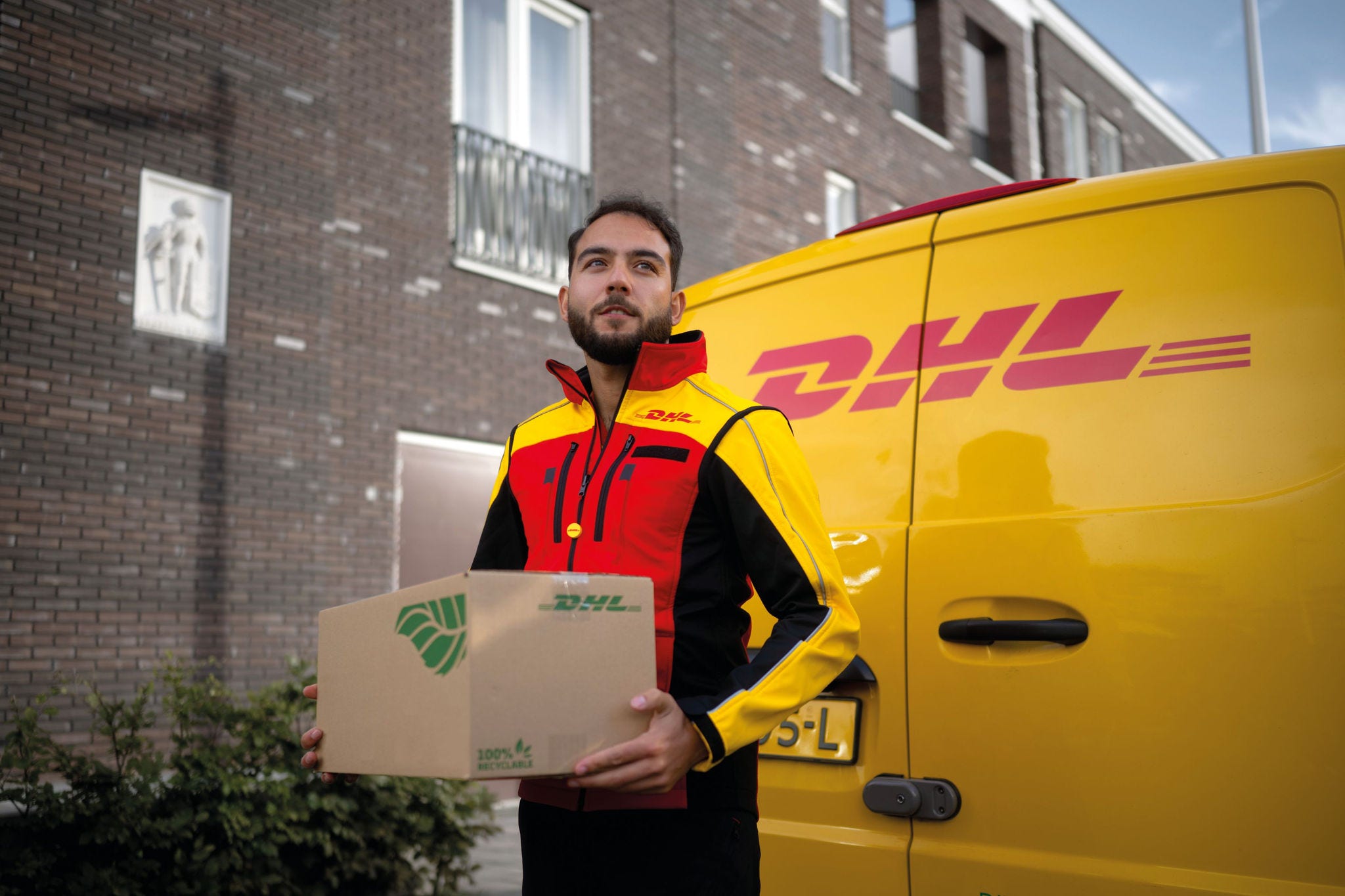
The CEPA has effectively removed the financial wall of tariffs that once made it difficult for Filipino goods to compete in the UAE. With that barrier gone, logistics speed becomes the final competitive frontier.
Getting your products to market faster than competitors, while ensuring they clear customs smoothly, can be the difference between winning and losing a customer in a new market.
DHL Express simplifies every step of the export journey for Filipino businesses navigating the PH-UAE CEPA, including:
- Expert customs clearance: Tools like MyDHL+ provide guidance to ensure your shipments are correctly documented to qualify for CEPA preferential rates, so you never miss out on duty-free export benefits due to paperwork errors.
- Time-definite delivery: With DHL Express, you get reliable, scheduled delivery to the UAE and across the Middle East, so your customers always know when to expect their orders.
- A truly global network: Connect from the Philippines to over 220 countries and territories, with direct access to the UAE's world-class logistics infrastructure.
Whether you're an established exporter or an SME taking your first steps into the Gulf market, DHL Express has the experience and network to get your goods there, quickly, compliantly, and competitively.
Create a business account with DHL Express today to ensure your exports reach the UAE with expert customs clearance and industry-leading speed.


 Share
Share