As of January 1, 2026, the European Union (EU) has officially entered the definitive phase of the Carbon Border Adjustment Mechanism (CBAM). For specific businesses in Thailand, shipping their goods to Europe demands carbon accountability.
To maintain a competitive edge in overseas shipping and ensure your export goods clear customs without costly, delays, you need to know how to meet the requirements for CBAM.
What is CBAM? Understanding the new "carbon price" for Thai goods in the EU
The Carbon Border Adjustment Mechanism ensures that carbon-intensive products imported into the EU face a carbon price equivalent to those produced within the bloc, effectively preventing "carbon leakage". This landmark regulation creates a level playing field for European manufacturers while encouraging global partners to adopt sustainable shipping practices.
Key industries affected
If your business is involved in exports of iron, steel, aluminum, cement, fertilizers, hydrogen, or electricity, you are directly in scope. For overseas shipping exceeding a cumulative 50 tonnes per calendar year, your EU-based importers must now be registered as "authorized CBAM declarants" to legally handle your goods.
The 50-ton exemption
Small exporters falling below this 50-ton annual threshold are exempt from purchasing CBAM certificates. However, even for small-scale standard international shipping, you must still provide accurate emissions data to your EU partners to verify their exempt status and maintain compliance.
The risk of inaction: How CBAM impacts your bottom line
For businesses in Thailand shipping to the European Union, insufficient preparation for the definitive phase of CBAM can lead to immediate commercial consequences. Failure to adapt now may result in sudden financial setbacks and a long-term erosion of market access across the bloc.
Financial and operational hurdles
Since January 1, 2026, the EU has entered its "charging phase," where CBAM certificates represent a tangible cost for your importers. While actual certificate sales do not begin until February 2027, shipping your goods this year generates a retroactive financial liability based on current EU Emissions Trading System prices1.
If you’re unable to provide third-party verified emissions data, authorities will apply the "default values". Typically, these are set at the highest observed emission levels, inflating your product’s "carbon price" and making your goods less competitive compared to lower-carbon rivals.
Customs stalls and rejections
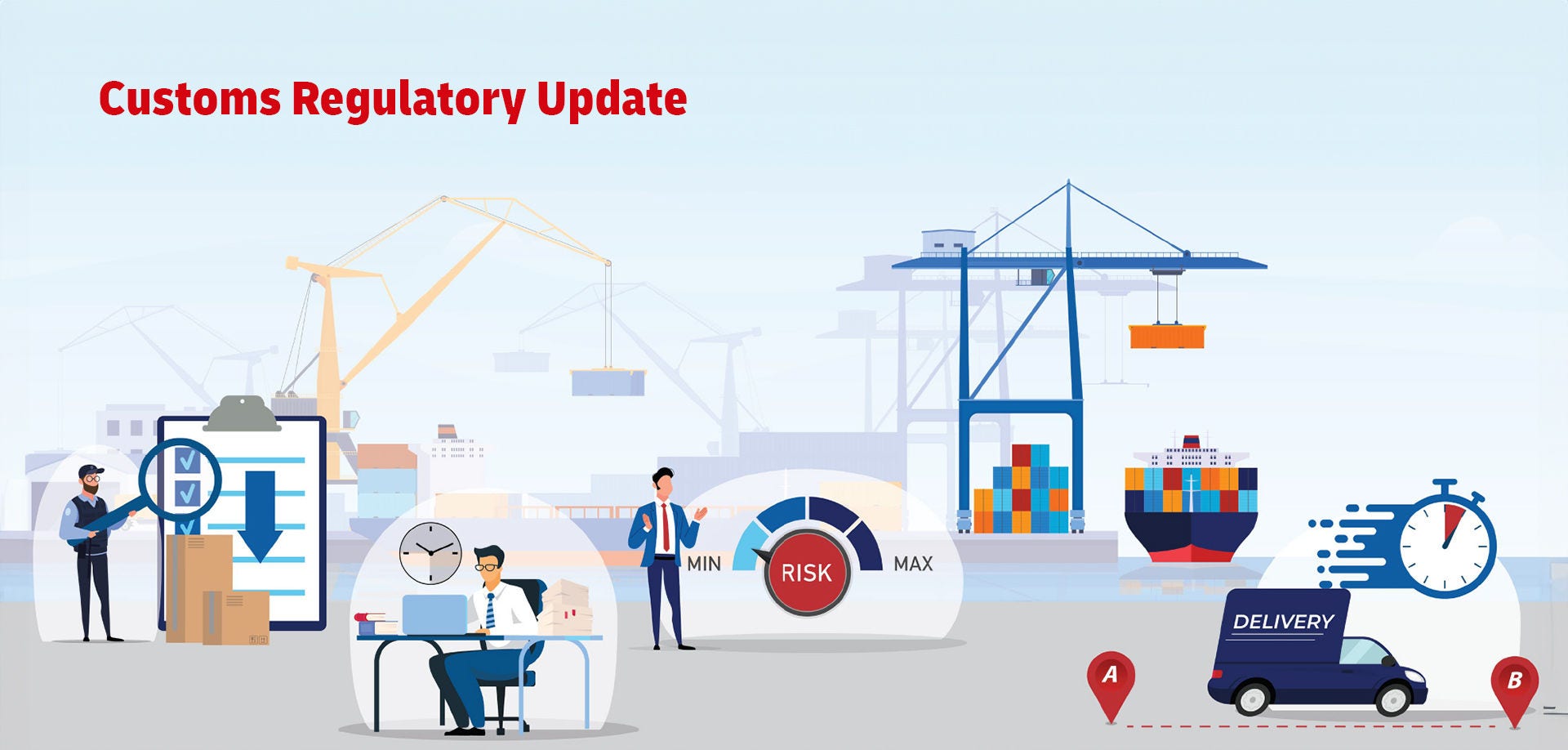
Compliance is now a non-negotiable requirement for border clearance in 2026. EU customs systems are now fully integrated to validate CBAM authorizations in real-time before releasing goods for free circulation.
Also, only authorized CBAM declarants are permitted to import regulated goods. Shipments that lack a valid registration number or the necessary verified documentation risk being stalled indefinitely at the border or returned to Thailand at your expense.
B2B reputation
Large EU buyers are now prioritizing "Green Supply Chains" as they manage their own carbon liability. If you’re shipping goods to the EU, providing verified emissions data is crucial to building trust with investors and customers.
For businesses in Thailand, failing to formalize their carbon accounting risks being filtered out of supply chains in favor of more sustainable competitors. As such, it’s important to establish robust monitoring and verification systems to protect your reputation and prepare your business for future scope expansions.
How Thai exporters can meet CBAM requirements with DHL Express' GoGreen Plus

To navigate the new European regulations successfully, you can leverage specialized tools that directly reduce your carbon liability. When you partner with DHL Express, we’ll give guidance on how to comply with CBAM requirements. At the same time, we’ll provide you with a practical pathway to lower your emissions to meet EU customs regulations:
- Direct Emission Reduction (Insetting): Unlike traditional "offsetting" that funds external projects like reforestation, GoGreen Plus focuses on carbon insetting. By utilizing Sustainable Aviation Fuel (SAF), we directly reduce the greenhouse gas emissions within our own air network, which is where your actual shipment occurs.
- Auditable Compliance Data: DHL Express provides verified Carbon Footprint Reports and certificates aligned with international standards like the GHG Protocol and ISO 14083. This audited and transparent documentation helps your EU buyers accurately report Scope 3 emissions in their annual declarations.
- Competitive Edge: By choosing GoGreen Plus, you can lower the "embedded emissions" of your logistics chain. This directly reduces the number of CBAM certificates your EU customer must purchase, making your products more price-competitive and yourself a more attractive business partner in a carbon-conscious market.
Enjoy smooth exporting to the EU with DHL Express
Beyond sustainability, DHL Express provides digital tools to ensure efficient overseas shipping. For instance, we have tools that let you look up HS codes, helping you avoid customs delays and ensuring better cost optimization through accurate tax and duty estimates.
We also play a vital role in facilitating your compliance by proactively reaching out to importers to gather critical CBAM status information. While DHL Express does not provide direct CBAM registration or reporting services, our experts offer the guidance and transparency needed to navigate these new regulations with confidence.
Don’t let carbon taxes stall your growth. Open a DHL Express business account today and use GoGreen Plus to future-proof your exports to the EU.


 Share
Share
Similar Stories