Shipping internationally? To ensure a smooth customs clearance process, it's essential to understand at least the basics of the paperwork involved. In this article, we’ll walk you through the key documents needed to clear customs, helping you avoid delays and get your goods to their destination on time.
What is customs clearance and why is it important?
The customs clearance process is the official procedure that allows goods to legally enter or exit a country. At the heart of this process is accurate information and documentation.
When you import or export goods, it’s important that you provide a complete and accurate Commercial Invoice, along with the additional documentation required by the export/import country authorities.
Based on the Commercial Invoice and additional documentation provided, the customs broker will then submit to customs authorities a customs declaration – which tells authorities exactly what is being exported/imported.
Therefore, it’s essential to provide a complete and accurate Commercial Invoice and other documentation, to avoid your shipment being held up, flagged for inspection, or even seized – causing costly disruptions to your business and delays for your customers.
The documents needed to clear customs
When shipping internationally, proper documentation (as per the export and import regulatory requirements) is key to ensuring your goods clear customs without delays. Each document plays a specific role in verifying what’s being shipped, where it’s coming from, and how it’s being transported. Check our full guide to the documents needed for international shipping to learn more.
Navigating the Türkiye-EU Customs Bridge
"For businesses operating from Türkiye, understanding the unique regulatory landscape is a competitive advantage.
The A.TR Advantage: Within the scope of the Customs Union, industrial and processed agricultural goods exported to the EU benefit from zero basic customs duties. Ensuring your A.TR Movement Certificate is correctly issued is the single most effective way to lower the 'Landed Cost' for your European buyers.
TAREKS Compliance: For specific product categories like electronics, toys, or personal protective equipment, Türkiye utilizes the TAREKS (Technical Inspection of Foreign Trade) system. Managing these technical inspections digitally before the physical shipment arrives is critical for preventing terminal delays and warehousing costs.
Leveraging these regional tools allows Turkish professionals to position their brand as a high-speed, cost-effective alternative to non-Customs Union competitors.
7 common customs clearance delays – and how to avoid them
For a smooth customs clearance process, beware of these pitfalls:

1. Incomplete or inaccurate documentation
Missing, inaccurate or unclear information on documents like the Commercial Invoice or Air Waybill can cause delays. Always provide complete and accurate information, compliant with regulatory requirements of the export and import countries.
Strategic Tip: "For Turkish exporters, ensuring that your E-Arşiv or E-Fatura data perfectly mirrors your DHL Commercial Invoice is vital. Customs authorities increasingly cross-reference digital tax records with physical shipment data. Any discrepancy in the 'Unit Price' or 'Goods Description' can trigger a manual audit. Accuracy here is not just a matter of compliance; it is a commitment to your brand's operational integrity.
2. Incorrect Tariff Classification Code(s)
Wrong Tariff Classification Codes slow down clearance and affect duty calculations. Use official tools from customs authorities to determine your Tariff Classification Code. You can also leverage DHL’s MyGTS for guidance regarding potential tariff classification code for your goods.

3. Undervaluing goods
Declaring a lower value to reduce duties is illegal by customs authorities, and can result in delays, significant fines, penalties, or additional consequences. Always state the true value of the goods and provide proof or purchase/payment if needed.

4. Non-compliance with regulations
Failing to follow a country’s import/export rules can lead to holds, seizures, fines and penalties. Research requirements and secure any needed permits, licenses or certificates in advance.

5. Unpaid duties or taxes
Customs won’t release your goods until the applicable regulatory charges are paid. Decide upfront who pays –shipper or receiver – and use fast payment options.
6. Improper labeling or packaging
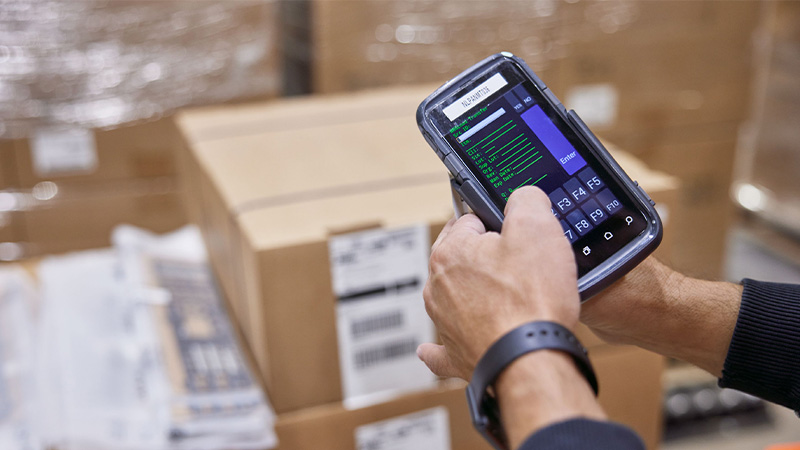
Poor or missing labels, especially for hazardous goods, cause delays. Follow all packaging rules and ensure labels are clear and correct.

7. No response to customs queries
If customs authorities or DHL request additional information or documentation and don’t receive a timely reply, your shipment can be delayed, so always respond quickly to any queries.
Temporary admissions
Understanding how temporary shipments are handled is just as important as knowing the standard customs clearance process, especially if your business regularly moves equipment or samples across borders.
Temporary admissions typically allow goods to enter a country for a limited time, generally without paying import duties or taxes, as long as the items are not sold and are re-exported within a set period, in accordance with the local regulatory requirements.
Please note that there are strict conditions and documentation requirements that must be adhered to when it comes to temporary admissions, so please ensure to research the export/import regulations.
Temporary imports
These are goods brought into a country for short-term use, such as tools for a specific project, commercial samples, or equipment for testing. These items must leave the country within a defined timeframe and cannot be sold or altered significantly. Proper documentation and approvals are essential to qualify for duty exemptions under temporary import rules.
Please note that there are strict conditions and documentation requirements that must be adhered to when it comes to temporary imports, so please ensure to research the export/import regulations.
Temporary exports
Temporary exports involve sending goods out of a country with the intention of bringing them back later. This applies to items like equipment sent abroad for repair or use at an event. To avoid additional duties upon return, exporters must clearly document the temporary nature of the export and follow all customs requirements to ensure smooth re-entry, in accordance with the local regulatory requirements.
Please note that there are strict conditions and documentation requirements that must be adhered to when it comes to temporary imports, so please ensure to research the export/import regulations.
The importance of ATA Carnets
ATA Carnets allow companies to move eligible items – such as trade show displays or professional equipment – across multiple countries typically without paying duties or taxes, as long as the goods return within the carnet’s validity period, as per the country’s regulatory requirements. Widely accepted in over 80 countries, ATA Carnets save time and money by speeding up the customs clearance process. Please note that not all goods are eligible for the ATA Carnet process, and specific types of goods may require additional documentation or compliance checks.
ATA Carnets via TOBB "In Türkiye, ATA Carnets are issued and managed by the Union of Chambers and Commodity Exchanges of Turkey (TOBB). For professional service providers or companies participating in international fairs (like gamescom or industry expos in Germany), the ATA Carnet serves as a 'Passport for Goods.'
Cost Avoidance: It effectively eliminates the need to pay security deposits or temporary import duties at every border crossing.
Standardization: Since the document is standardized in over 80 countries, it minimizes the risk of linguistic errors in customs declarations. For a Turkish brand, using an ATA Carnet for high-value professional equipment ensures that your operational focus remains on the event, not the bureaucracy.

Get expert support for your import and export process
To simplify the customs clearance process, DHL Express has developed MyGTS (My Global Trade Services).
This free user-friendly platform will help you navigate many international shipping regulations seamlessly. You can log in with your existing DHL Express Business Account or register a new MyGTS account to access:
- Pre-shipment planner: a dedicated tool to help your business understand some of the applicable import/export regulations.
- Support with Tariff Classification Code(s): MyGTS provides potential tariff classification codes for you to select based on your goods’ characteristics. Search for Tariff Classification Codes using keywords or the code directory.
- Landed Cost calculator to enhance your pricing strategy and give your customers transparency over the estimated shipping costs – which builds trust with your business.
- Guidance on import and export requirements: understand some of the country's import and export requirements before you ship – to avoid goods being held up at borders!
- Customs documentation and templates: effortlessly gather examples of the customs documentation and templates that might be required, to avoid potential delays. It’s important to conduct your own due diligence and ensure that all documents are submitted in the correct format and language, as required by the export and/or import country’s customs authorities.
- A product catalog feature: maintain a readily accessible record of your commodities within DHL MyGTS, where you can save past searches, product details, and tariff codes for quicker repeat shipping.
It’s essential that you keep up to date with the import and export regulatory requirements of the countries where you ship from/to, and consult with customs experts or legal advisors when necessary to ensure compliance with the regulations.
Enjoy fast and easy international shipping with DHL Express.
Open a DHL Express Business Account


 Share
Share