#GlobalLogisticsAdvice


 Share
Share
How to Track Scope 3 Emissions Across Your Shipping Network | DHL Discover
6 min read
Share

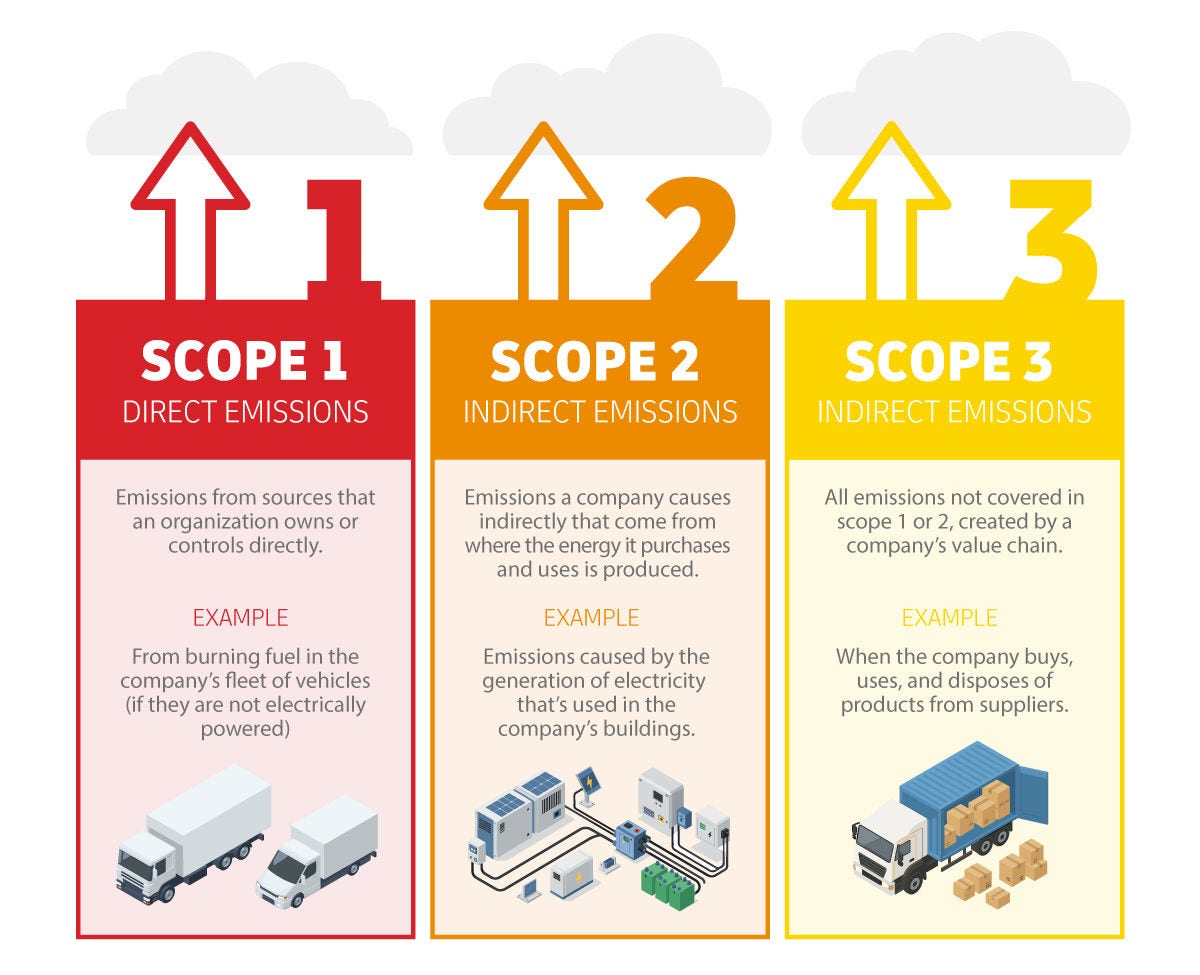
In today’s business environment, sustainable logistics is no longer a “nice-to-have.” It’s an expectation and a strategic imperative. For companies managing large shipping networks, indirect greenhouse-gas emissions—particularly those classified as GHG Protocol’s Scope 3—represent both the greatest challenge and the greatest opportunity. Scope 3 encompasses all indirect emissions (i.e., emissions that aren’t directly produced by the company of origin but are produced by other organizations in their supply chain) that result from the beginning of the corporate value chain to the end, from transportation to distribution and the final use of sold products.
As a global company serving over 220 countries, DHL relies on an extensive network outside of our own organization, which makes tracking and minimizing Scope 3 shipping emissions an imperative part of our sustainability initiative. Regardless of scale, however, tracking is important for businesses of every size.
Why Scope 3 matters for your shipping network
While Scope 1 (direct emissions) and Scope 2 (purchased energy) are important, for logistics providers and shippers alike, Scope 3 frequently comprises the majority of the carbon footprint — up to 80-90%.
For a shipping network, Scope 3 includes:
- Emissions from upstream activities (e.g., procurement of packaging materials, inbound transport).
- Emissions from downstream distribution (e.g., onward transport, customer delivery, returns).
- Emissions embedded in third-party logistics providers or carrier services.
Tracking Scope 3 is vital because:
- It enables you to identify the biggest lever for decarbonization in your supply chain and network.
- It allows you to respond to regulatory and customer demand for transparency. 66% of respondents say that they consider sustainability when making a purchase, so responsible carbon reporting is increasingly important.
- It gives you a data-driven foundation for setting reduction targets, differentiating on green credentials and building competitive advantage.
Step-by-step: How to track Scope 3 emissions across your shipping network
How do you get started with measuring Scope 3 emissions and implementing a supply chain decarbonization plan? Let’s break it down into four actionable steps.

Step 1: Measure your footprint and set targets
- Inventory all emissions sources across your network (inbound, outbound, warehousing, returns).
- Use standard frameworks such as the GHG Protocol to classify and quantify Scope 3. AI for emissions tracking in logistics is also an increasingly useful tool.
- Where exact data is unavailable, use estimation methods or benchmarking to fill gaps (e.g., carrier vehicles, air vs. sea freight, packaging).
- Establish measurable reduction targets for your network (e.g., “reduce downstream delivery emissions by 20% by 2030”).

Step 2: Secure resources & stakeholder buy-in
- Engage your carriers, logistics partners and internal departments (procurement, operations, sustainability) to align on data sharing.
- Invest in analytics tools, dashboards and data capture systems that enable visibility across network nodes (transport modes, carriers, packaging).
- Ensure budget and governance are in place — tracking emissions across a complex network requires dedicated effort.

Step 3: Implement tracking systems and reduction strategies
- Map the shipping network: origin-to-destination flows, transport modes, intermediaries, packaging types, returns flows.
- For each segment, capture data such as distance, mode (road, rail, sea, air), load factor, fuel type, packaging weight and material.
- Use carriers and providers who disclose their fuel usage, electrification status or use sustainable aviation fuel (SAF) if airfreight. For example, our GoGreen Plus shipping option uses SAF and helps reduce shipping emissions.
- Build a dashboard that aggregates all this data, segments it by upstream vs downstream, by carrier, by mode, by packaging, and tracks your baseline vs target.
- Don’t forget reverse logistics: returns increase emissions. DHL advises reducing returns and using parcel-lockers or optimized return flows.
- Leverage trends and innovations: route optimization, green packaging, EV fleets and other sustainable freight solutions, etc.

Step 4: Monitor progress, review & communicate
- Regularly benchmark performance and track trend lines.
- Review which carriers, modes, packaging types or regions are under-performing? Where are the greatest reduction opportunities?
- Use the measurements to inform procurement: select partners based on sustainability credentials (e.g., green packaging, EV fleets, SAF adoption). Provide transparent communication to customers, stakeholders, regulators. Shipping and logistics emissions reporting is an increasingly important part of fortifying brand image and building trust
Why choosing the right logistics partner matters
Your choice of logistics provider is not just about cost and speed. It’s also about emissions transparency, sustainable transport modes, carrier data access and packaging innovation. DHL has strategies and toolkits in place to help you actively and effectively reduce your company’s carbon footprint, including Scope 3 emissions.
For example, our GoGreen Plus shipping option uses Sustainable Aviation Fuel, allowing you to increase the impact of your sustainability initiatives in a way that works for your journey. GoGreen Plus also makes tracking your emissions reductions easy by providing a detailed emissions report and a CO2e reduction certificate.
Because so many moving parts and partners are involved, tracking Scope 3 emissions across a shipping network is complex, but it’s also where the largest sustainability gains lie. For B2B logistics operations, the opportunity to measure, manage and reduce these emissions translates into cost savings, risk mitigation, brand value and competitive advantage.
By integrating your shipping network’s data with a partner that shares your sustainability ambition, tracking and reducing Scope 3 becomes far more attainable.
At DHL, we believe that with the right tools, partner alignment, and data-driven strategy, your organization can turn what seems like an indirect, intangible challenge into a measurable, manageable pathway to a greener future. Open a DHL account today to take the first step toward transforming the full value chain of your logistics network into a source of sustainable growth!
Share
Similar Stories